Distal Pancreatectomy Recovery Timeline: What to Expect in the First 30 Days After Surgery
Medicine Made Simple
Distal pancreatectomy is a surgery where the body and tail of the pancreas are removed, and in many cases the spleen is also removed. It is commonly done for pancreatic tumors, cysts, chronic pancreatitis, or certain cancers. Recovery can feel slow because the pancreas plays an important role in digestion and blood sugar control. Most patients stay in the hospital for several days and need a few weeks to regain strength. Pain, tiredness, poor appetite, and digestion changes are common early on. Understanding what is normal helps reduce fear and supports safer healing.
What Is a Distal Pancreatectomy?
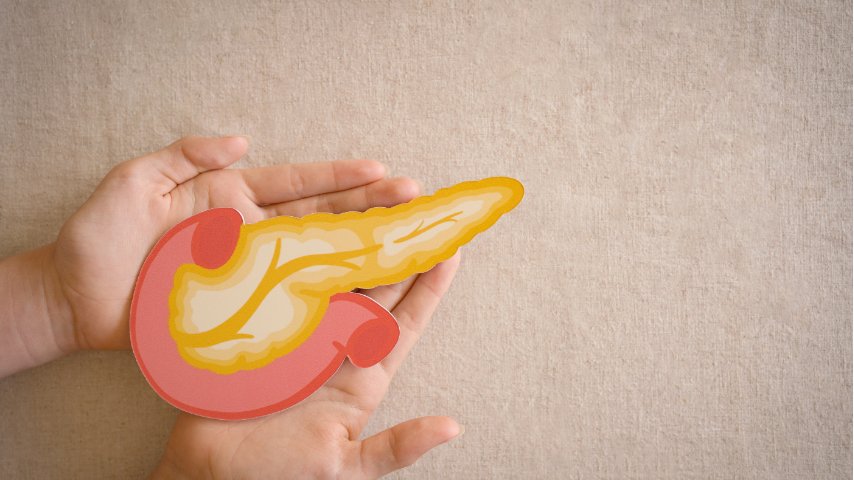
The pancreas is an important organ located behind the stomach. It helps the body digest food by producing enzymes and also controls blood sugar by making hormones like insulin. Many people do not think about the pancreas until a medical problem makes surgery necessary.
The pancreas has three main parts:
- Head
- Body
- Tail
A distal pancreatectomy is a surgery where the body and tail of the pancreas are removed. This is commonly done when there is a tumor, cyst, chronic pancreatitis, or cancer affecting that part of the pancreas.
In many cases, the spleen is also removed because it sits very close to the tail of the pancreas. This is called distal pancreatectomy with splenectomy.
The surgery may be performed using:
- Open surgery with a larger abdominal cut
- Laparoscopic surgery with small cuts
- Robotic-assisted surgery in selected cases
The exact method depends on the condition being treated and the surgeon’s decision, including considerations around laparoscopic vs open distal pancreatectomy.
Why Recovery Feels Slower Than Expected
Many patients feel surprised by how slow recovery feels after surgery. Even when the surgery is successful, the body needs time to heal internally. Pancreatic surgery is a major abdominal operation, and the recovery process involves much more than just wound healing.
The body is recovering from:
- Removal of part of the pancreas
- Possible spleen removal
- Internal inflammation
- Pain and reduced movement
- Digestion changes
- Emotional stress after diagnosis and treatment
Fatigue is one of the most common complaints. Patients often expect pain, but they are usually more surprised by the extreme tiredness and weakness that can last for weeks.
Recovery is not a straight line. Some days feel much better, while other days feel slower. This is normal and should not immediately cause panic.
The First Few Days After Surgery
The first two to three days after surgery are usually spent under close monitoring in the hospital. Some patients may stay in a recovery unit where doctors can watch them more carefully, especially after a major procedure.
When you wake up after surgery, you may have:
- IV fluids
- Pain medicine through a pump
- A urinary catheter
- Surgical drains near the abdomen
- Oxygen support
- Sometimes a temporary tube through the nose
This can feel overwhelming, but it is completely normal.
Pain management is one of the biggest priorities during this stage. Doctors use pain injections, tablets, or patient-controlled pain pumps to help recovery feel more manageable.
Patients are also encouraged to start moving early. Even short walks help improve circulation, reduce the risk of blood clots, and help the intestines start working again.
Eating usually begins slowly. Most patients start with sips of water, then clear liquids, and later soft foods depending on how the stomach responds.
Preparing to Leave the Hospital
By day four to day seven, many patients begin preparing to go home. The medical team wants to make sure recovery is stable before discharge.
Doctors usually check:
- Pain is manageable with tablets
- Eating and drinking are improving
- Bowel movements have returned
- Walking is safe
- There are no signs of infection
- Drain output is under control
Some patients go home with a surgical drain still in place. This often creates anxiety, but it is common and does not always mean there is a complication.
Before discharge, patients are taught how to manage the wound, how to care for the drain if needed, what medicines to take, and what warning signs need urgent attention.
Leaving the hospital can feel scary, but it usually means recovery is progressing well.
Week Two: The Most Frustrating Stage
The second week after surgery is often the most difficult emotionally. Patients are back home but still feel far from normal. Tiredness remains strong, appetite may still be poor, and digestion may feel uncomfortable.
Common problems during this stage include:
- Feeling full very quickly
- Bloating
- Constipation or loose stools
- Difficulty sleeping
- Mild pain around the incision
- Emotional ups and downs
- Extreme fatigue
This stage can feel frustrating because many people expect quick improvement once they leave the hospital. In reality, internal healing takes much longer.
The focus during this week should be gentle walking, small meals, good hydration, and regular medicines. Rest is important, but staying in bed all day can slow recovery further.
Fatigue during this stage is expected and often lasts several weeks.
Week Three: Small Improvements Begin
By the third week, many patients begin noticing gradual improvement. Energy levels may slowly improve, appetite may return, and daily movement becomes easier.
These small improvements matter because they show the body is healing.
Patients often notice:
- Less incision pain
- Better appetite
- Improved walking ability
- Better sleep
- More confidence with daily activities
However, recovery is still ongoing. Heavy lifting and strong physical activity are usually still restricted.
This is also the stage when digestion changes may become more noticeable. Some people notice greasy stools, bloating after meals, or discomfort after fatty foods. This may happen because the pancreas is producing fewer digestive enzymes.
In some cases, doctors prescribe pancreatic enzyme tablets to help improve digestion and support better nutrition.
Week Four: Moving Toward Normal Life
Around the fourth week, many people start feeling more stable. Walking longer distances becomes easier, pain medicines may no longer be needed regularly, and light daily work becomes more manageable.
Some patients may be able to:
- Return to light household work
- Resume office-based work
- Sleep better
- Eat more comfortably
- Feel stronger physically
However, recovery is still not complete. Heavy lifting, gym exercise, and physically demanding work are often still restricted.
Patients who had open surgery may take longer to recover than those who had laparoscopic surgery.
Returning to work depends on the job type, pain level, strength, and whether additional treatment like chemotherapy is needed.
Every patient heals differently, so comparing recovery with others often creates unnecessary stress.
Eating After Distal Pancreatectomy
Food becomes a major concern after surgery because appetite often becomes poor. Many patients worry they are not eating enough or that digestion feels abnormal.
This is common.
The best eating approach during recovery includes:
- Small frequent meals instead of large meals
- Soft home-cooked foods
- Good protein intake
- Plenty of fluids
- Slower eating
- Avoiding very heavy or oily meals early on
Foods like rice, soup, toast, eggs, yogurt, and lightly cooked vegetables are often easier to tolerate in the early stages.
Fatty foods may cause bloating, discomfort, or diarrhea. Weight loss is also common, but it usually improves gradually as recovery progresses.
If digestion becomes difficult, enzyme replacement tablets may be needed to help the body digest food properly.
Will You Develop Diabetes?
One of the most common fears after distal pancreatectomy is whether diabetes will develop.
Since the pancreas produces insulin, removing part of it can affect blood sugar control. However, not every patient develops diabetes.
The risk depends on:
- How much pancreas was removed
- The health of the remaining pancreas
- Whether diabetes existed before surgery
- The reason for surgery
Doctors usually monitor blood sugar during recovery and follow-up visits.
Possible signs of high blood sugar include:
- Increased thirst
- Frequent urination
- Unusual tiredness
- Sudden weight loss
- High blood sugar on testing
Some patients need only temporary monitoring, while others may need diabetes treatment.
Many people do not need lifelong diabetes care, so this should not be assumed automatically.
Recovery After Spleen Removal
If the spleen is also removed during surgery, recovery includes extra precautions.
The spleen helps protect the body against serious infections. Without it, the immune system becomes more vulnerable to certain bacteria.
This means:
- Vaccinations may be required
- Fever should always be taken seriously
- Infection prevention becomes more important
- Quick medical attention for illness is necessary
Doctors usually explain these precautions before discharge. Understanding this early helps prevent future complications.
Warning Signs You Should Never Ignore
Slow recovery is normal, but certain symptoms need urgent medical attention.
You should contact your doctor immediately if you have:
- Fever
- Severe abdominal pain
- Vomiting that does not stop
- Redness or pus from the wound
- Sudden swelling
- Very high drain output
- Foul-smelling drain fluid
- Shortness of breath
- Chest pain
- Very high blood sugar
- Yellowing of the eyes or skin
One major complication is pancreatic leak after distal pancreatectomy, where digestive fluid leaks from the cut surface of the pancreas after surgery. This can delay healing and needs medical attention quickly.
Early treatment prevents bigger problems.
Emotional Recovery Matters Too
Recovery is not only physical. Many patients feel emotional stress after surgery, especially if the operation was done for cancer or a suspicious tumor.
Common emotional struggles include:
- Fear about pathology results
- Anxiety about future treatment
- Frustration with slow healing
- Loss of independence
- Worry about cancer returning
- Stress about work and finances
These feelings are normal and should not be ignored.
Talking openly with doctors and family members helps reduce fear and makes recovery easier. Healing requires emotional patience as much as physical healing.
Follow-Up Visits Matter
Follow-up appointments are an important part of recovery and should never be skipped.
Doctors use these visits to check:
- Wound healing
- Drain removal if needed
- Final pathology results
- Blood sugar levels
- Nutrition and weight changes
- Need for enzyme support
- Whether chemotherapy is needed in cancer cases
Even if you feel well, these visits are necessary because some complications are easier to treat when found early.
Recovery does not end when you leave the hospital.
Conclusion
If you or a loved one is preparing for distal pancreatectomy, understanding recovery helps reduce fear and improves confidence. The first 30 days can feel slow and challenging, but that does not always mean something is wrong.
Good pain control, careful eating, gentle movement, regular follow-up, and quick attention to warning signs all make recovery safer and smoother.
Stay connected with your surgical team, ask questions without hesitation, and remember that healing takes time. Recovery is a journey, and with the right support, it becomes much easier to manage.
References and Sources
Memorial Sloan Kettering Cancer Center – About Your Distal Pancreatectomy