Best Hospital and Surgeon for Distal Pancreatectomy: Why High-Volume Centers Matter
Medicine Made Simple
When patients are told they need distal pancreatectomy, most people focus on the surgery itself. But one of the most important decisions is actually where the surgery is done and who performs it. Distal pancreatectomy is a major pancreatic operation, and outcomes are often better when it is done by experienced surgeons in high-volume centers. These hospitals manage pancreatic surgery regularly and are better prepared for complications, recovery planning, and cancer care if needed. Choosing the right surgeon and hospital can improve safety, reduce stress, and make distal pancreatectomy recovery much smoother for patients and families.
What Is a Distal Pancreatectomy?
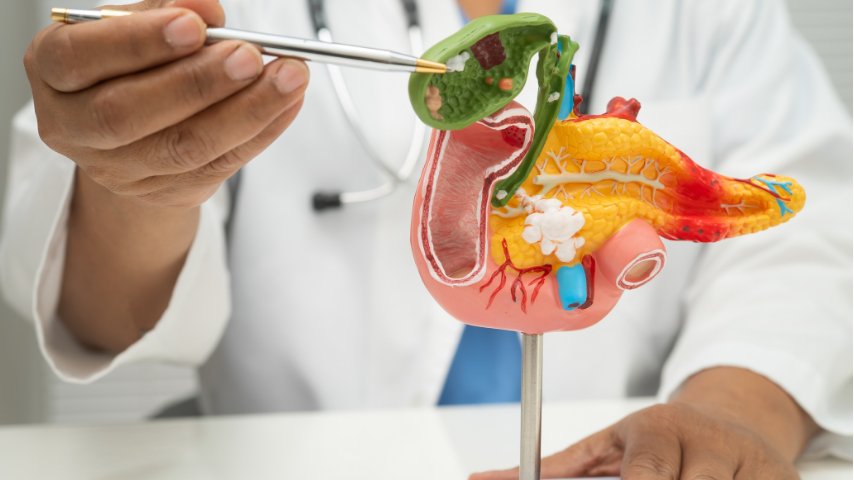
The pancreas is an important organ located behind the stomach. It helps digest food by producing digestive enzymes and also controls blood sugar by making hormones like insulin. When a disease affects the body or tail of the pancreas, surgery may be needed to remove that portion.
A distal pancreatectomy is a surgery where the body and tail of the pancreas are removed. This is commonly done for pancreatic cysts, tumors, neuroendocrine tumors, chronic pancreatitis, suspicious growths, or pancreatic cancer.
Sometimes the spleen is also removed because it lies very close to the tail of the pancreas. This is called distal pancreatectomy with splenectomy.
Even when surgery is planned for a non-cancerous condition, it is still a major operation that requires careful planning and expert care.
That is why choosing the right hospital matters so much.
Why Hospital Choice Matters More Than Patients Expect
Many patients believe surgery success depends only on whether the tumor is removed. In reality, the experience of the surgeon and the hospital system around them plays a major role in recovery and long-term results.
Pancreatic surgery is different from routine operations. The pancreas is delicate, healing can be slow, and complications like pancreatic leak require quick expert management.
A good hospital provides more than an operating room. It provides:
- Experienced pancreatic surgeons
- Skilled anesthesia teams
- Intensive care support
- Advanced imaging and radiology
- Cancer specialists if needed
- Nutrition and diabetes management
- Faster response to complications
- Better long-term follow-up care
This full system improves outcomes, not just the surgery itself.
What Is a High-Volume Center?
A high-volume center is a hospital where pancreatic surgeries are performed regularly, not occasionally.
This means the surgeons and medical teams are familiar with complex pancreatic cases and manage these operations often.
Studies and patient outcomes repeatedly show that hospitals performing more pancreatic surgeries usually have:
- Lower complication rates
- Better management of pancreatic leaks
- Lower risk of emergency re-operation
- Shorter hospital stays in many cases
- Better cancer surgery outcomes
- Better long-term survival in cancer cases
Patients often assume the nearest hospital is the best option. That is not always true.
For pancreatic surgery, experience matters more than convenience.
Why Surgeon Experience Matters So Much
Even inside a good hospital, surgeon experience is extremely important.
A surgeon who performs distal pancreatectomy regularly understands how to handle complex anatomy, difficult tumors, blood vessel safety, splenectomy decisions, and unexpected findings during surgery.
Experienced surgeons are often better at:
- Deciding who truly needs surgery
- Choosing laparoscopic vs open surgery
- Preventing complications
- Managing pancreatic leaks
- Protecting nearby organs
- Handling cancer safely and completely
Patients sometimes feel uncomfortable asking how often a surgeon performs this operation.
But this is one of the most important questions you can ask.
It is not rude. It is responsible.
Should You Travel for Surgery?
Many patients wonder if they should travel to a bigger hospital instead of choosing a nearby local center.
The answer depends on the complexity of the case, but for pancreatic surgery, travel is often worth serious consideration.
Travel may be especially important when:
- Cancer is suspected
- Major blood vessels are involved
- Open surgery is likely
- Splenectomy is planned
- The diagnosis is unclear
- Another hospital recommended a second opinion for distal pancreatectomy
- A minimally invasive approach may be possible only at a specialist center
Patients sometimes worry about the inconvenience of travel, but avoiding preventable complications is often more important than short-term comfort.
Questions to Ask Before Choosing a Surgeon
Many patients choose a hospital without asking enough questions.
Important questions include:
- How often do you perform distal pancreatectomy?
- Do you specialize in pancreatic surgery?
- Can my surgery be done laparoscopically?
- Will my spleen also need removal?
- What complications are most common in my case?
- What happens if a pancreatic leak occurs?
- Will I need ICU care after surgery?
- If cancer is found, how is treatment planned?
- Who manages my follow-up after discharge?
Clear answers help patients feel more confident and reduce fear before surgery.
Why a Second Opinion Helps Hospital Choice
Many patients think a second opinion is only about confirming diagnosis. It is also extremely useful for choosing the right hospital.
A second specialist may help answer:
- Is surgery truly needed now?
- Can treatment be done better elsewhere?
- Is laparoscopic surgery possible?
- Should I go to a cancer center instead?
- Is my case more complex than it first appears?
Sometimes the second opinion confirms the original plan. Sometimes it changes everything.
Patients often say the second opinion gave them confidence, even when the answer stayed the same.
Confidence matters.
Laparoscopic vs Open Surgery and Hospital Expertise
Many patients prefer laparoscopic surgery because it usually means smaller scars, less pain, and faster recovery.
However, laparoscopic distal pancreatectomy should only be done when it is safe and by surgeons who perform it regularly.
Hospitals with strong pancreatic surgery programs often offer:
- Advanced laparoscopic surgery
- Robotic surgery in selected cases
- Safe conversion to open surgery if needed
- Better complication management if recovery becomes difficult
A hospital offering laparoscopic surgery is not automatically better. What matters is whether the surgeon is truly experienced in that approach.
Safety is always more important than smaller scars.
Cancer Cases Need Multidisciplinary Care
If distal pancreatectomy is being done for cancer, hospital choice becomes even more important.
Cancer care is not just surgery.
Patients may also need:
- Oncology consultation
- Chemotherapy planning
- Pathology review
- Radiology review
- Nutrition support
- Long-term cancer follow-up
High-volume centers usually offer multidisciplinary care where surgeons, oncologists, radiologists, and pathologists work together.
This team approach improves treatment decisions and long-term outcomes.
Cancer care should never depend on surgery alone.
Recovery Is Better Planned in Expert Centers
Recovery after distal pancreatectomy can include pain, fatigue, poor appetite, digestion changes, drain care, and sometimes complications like pancreatic leak.
Experienced centers usually prepare patients better before surgery by clearly explaining:
- Hospital stay expectations
- Drain management
- Warning signs after discharge
- Blood sugar monitoring
- Spleen removal precautions
- Follow-up appointments
- Return to work planning
Patients often say recovery feels less frightening when they know what to expect.
Good hospitals prepare patients, not just operate on them, helping support life after distal pancreatectomy.
Warning Signs of Poor Surgical Planning
Sometimes patients move forward with surgery too quickly without enough explanation.
Warning signs include:
- Surgery recommended without clear diagnosis
- No discussion about spleen removal
- No explanation of risks and complications
- No mention of follow-up planning
- Difficulty getting answers to questions
- Feeling rushed into surgery
- No discussion about cancer treatment if needed
Patients should never feel afraid to pause and ask for clarity.
Major surgery deserves careful understanding.
Cost vs Value: Is a Bigger Center Worth It?
Patients often worry that larger hospitals are more expensive.
Sometimes they are, but the real question is long-term value.
A cheaper surgery with poor recovery, preventable complications, repeat hospital admissions, or delayed cancer care may become far more expensive later.
The true cost includes:
- Surgical safety
- Recovery quality
- Time away from work
- Family caregiving burden
- Long-term health outcomes
- Emotional stress
Choosing the right center is not only about money. It is about avoiding preventable suffering.
Patient Confidence Improves Recovery
Patients who trust their surgeon and understand their treatment plan often recover better emotionally.
Confidence reduces panic when recovery feels slow. It helps patients follow instructions better and communicate earlier when warning signs appear.
Patients commonly say:
- “I felt safer because my surgeon explained everything clearly.”
- “Knowing the hospital handled this surgery often made me less afraid.”
- “I recovered better because I trusted the team.”
Emotional confidence is not a small detail. It is part of healing.
When Local Care Is Still the Right Choice
Not every patient must travel far.
Some local hospitals have excellent pancreatic surgeons and strong outcomes. The goal is not automatically choosing the biggest hospital. The goal is choosing the right hospital for your case.
Patients should focus on:
- Surgeon experience
- Hospital pancreatic surgery volume
- Access to cancer care if needed
- Complication support
- Clear communication
- Confidence in the treatment plan
The best hospital is the one that provides expert, safe, and complete care for your situation.
Conclusion
If you or a loved one needs distal pancreatectomy, do not make the decision based only on the nearest hospital or the fastest available surgery date.
Ask how often the surgeon performs this procedure. Understand whether your case needs a high-volume center. Consider a second opinion and make sure your treatment plan includes not just surgery, but full recovery and long-term care.
Choosing the right hospital and surgeon is one of the most important parts of treatment.
Better decisions before surgery often create better outcomes after surgery.
References and Sources
Memorial Sloan Kettering Cancer Center – Pancreatic Surgery and Specialist Care
Johns Hopkins Medicine – Pancreatic Surgery Programs
Cancer Research UK – Pancreatic Cancer Surgery and Specialist Centers