Colonoscopy: Why Early Screening Can Save Lives
Medicine Made Simple Summary
A colonoscopy is a procedure used to examine the inside of the large intestine, also called the colon, using a thin flexible tube with a small camera. It helps doctors detect polyps, bleeding, inflammation, and early signs of colon cancer before symptoms become serious. Many colon problems develop silently without warning signs, which is why screening is important even when you feel healthy. Colonoscopy is one of the most effective ways to prevent colorectal cancer because it can find problems early and even treat some of them during the same procedure.
Understanding What a Colonoscopy Is
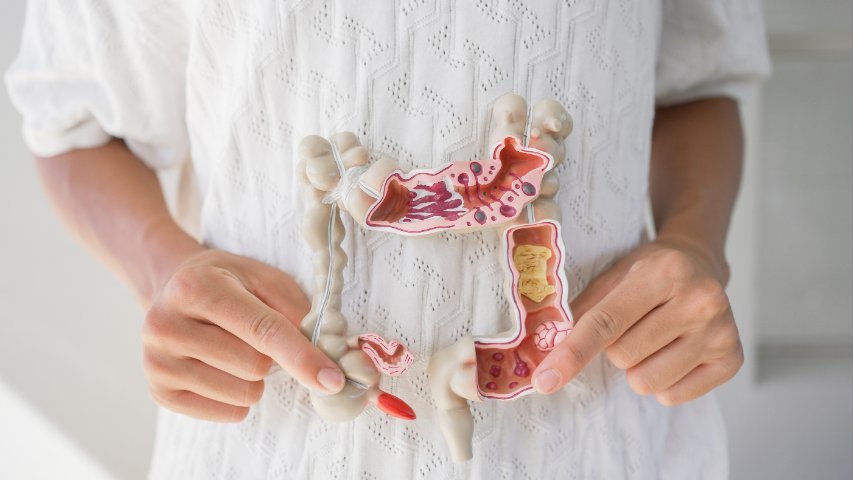
A colonoscopy is a medical procedure that helps doctors examine the inside of your large intestine and rectum. The large intestine, also called the colon, is an important part of the digestive system. It absorbs water from food waste, stores stool, and helps remove waste from the body.
To perform this test, the doctor uses a long, thin, flexible tube called a colonoscope. At the end of this tube is a small camera and light. This camera sends clear images to a screen, allowing the doctor to carefully check the lining of the bowel.
Unlike scans or blood tests, colonoscopy gives a direct view of the colon. This makes it one of the most accurate ways to detect problems like bleeding, swelling, ulcers, polyps, and cancer.
The procedure is not only used for diagnosis. It can also help prevent serious disease. If the doctor finds small growths called polyps, they can often be removed during the same procedure before they turn into cancer. This removal process, known as therapeutic polypectomy, is one of the most important advantages of colonoscopy over other imaging-based tests.
This is why colonoscopy is considered both a diagnostic and life-saving preventive procedure.
Why Colonoscopy Screening Is So Important
Many people believe they only need medical tests when they feel sick. Colon cancer does not always work that way.
Colon cancer often starts quietly. In many cases, it begins as a small polyp inside the colon. These polyps usually do not cause pain, bleeding, or obvious symptoms in the early stage. A person may feel completely normal while the disease slowly develops.
This is why screening is so important.
A colonoscopy helps doctors find these polyps early and remove them before they become cancerous. It can also detect cancer at an early stage when treatment is simpler, more successful, and less expensive.
When colon cancer is found late, treatment becomes more difficult and outcomes may be worse. Early detection gives patients a much better chance of recovery.
This is the real reason colonoscopy saves lives. It does not just find disease. It helps stop serious disease before it begins.
Common Reasons Your Doctor May Recommend a Colonoscopy
Doctors may recommend a colonoscopy for routine screening or to investigate symptoms that need closer examination.
Routine screening is one of the most common reasons, especially after a certain age. Even if you feel healthy, your doctor may still advise the test because early colon problems often have no symptoms.
Sometimes symptoms make the need for colonoscopy more urgent. These symptoms include blood in the stool, black-colored stool, long-term constipation, repeated diarrhea, sudden changes in bowel habits, unexplained weight loss, anemia, bloating, and abdominal pain that does not improve.
If there is a family history of colon cancer or colon polyps, screening may be advised earlier than usual.
Patients with conditions like ulcerative colitis or Crohn’s disease may also need regular colonoscopy because long-term inflammation can increase cancer risk.
In some cases, abnormal stool tests, scan findings, or unexplained low blood count may also lead to a colonoscopy recommendation.
The purpose is always the same: identify the cause early and prevent serious complications.
Who Should Get Colon Cancer Screening
Most adults are advised to begin regular colon cancer screening around the age of 45, depending on personal health history and local medical guidelines.
However, some people may need screening earlier.
This includes people with a strong family history of colorectal cancer, a personal history of colon polyps, inflammatory bowel disease, or inherited conditions that increase cancer risk.
Lifestyle also matters. Smoking, obesity, lack of physical activity, poor diet, and heavy alcohol use may increase the risk of colon disease.
Your doctor will decide the right age and frequency of screening based on your health background. Understanding the difference between sigmoidoscopy vs colonoscopy can also help patients make informed decisions, as sigmoidoscopy examines only part of the colon while colonoscopy provides a complete view.
Many people delay screening because they feel healthy. That is often when screening is most useful.
The goal is not to wait for symptoms. The goal is prevention.
Preparing for a Colonoscopy
Preparation is one of the most important parts of a successful colonoscopy. For the doctor to clearly examine the colon, the bowel must be completely clean.
This process is called bowel preparation.
Usually, patients are advised to eat light or low-fiber foods one or two days before the test. On the day before the procedure, only clear liquids may be allowed. This may include water, clear soups, tea without milk, and certain juices depending on your doctor’s advice.
You will also be given a bowel-cleansing medicine, commonly called a prep solution or laxative. This medicine causes frequent bowel movements to empty the colon.
Many patients say the preparation feels harder than the procedure itself, but it is necessary. If the bowel is not clean, important problems can be missed, and sometimes the test may need to be repeated.
Your doctor will also review your regular medicines. Blood thinners, diabetes medicines, insulin, and some heart medications may need temporary adjustment.
Always follow the instructions carefully and never stop medicines without medical advice.
What Happens on the Day of the Procedure
When you arrive at the hospital or endoscopy center, the staff will first confirm your medical history and bowel preparation details.
You may be asked about allergies, regular medicines, previous surgeries, and whether you completed the bowel preparation correctly.
After the doctor explains the procedure, benefits, and possible risks, you will sign a consent form.
You will then change into a hospital gown and be taken to the procedure room.
Most patients receive mild sedation through a vein in the hand or arm. This helps you relax and reduces discomfort during the procedure.
Some people remain awake but sleepy, while others remember very little afterward. The purpose is to make the experience comfortable and stress-free.
What Happens During the Colonoscopy
You will usually lie on your left side with your knees slightly bent.
The doctor gently inserts the colonoscope through the rectum and slowly guides it through the colon. The camera allows the doctor to examine the bowel lining carefully.
A small amount of air or carbon dioxide is passed into the colon to open it and improve visibility. This may create a temporary feeling of pressure, fullness, or mild cramping.
The doctor checks for polyps, inflammation, ulcers, bleeding, narrowing, or suspicious growths.
If a polyp is found, it can often be removed during the same procedure. This is one of the biggest advantages of colonoscopy because it helps prevent future cancer.
A biopsy may also be taken if needed. This means removing a tiny tissue sample for laboratory testing. This is usually painless.
The procedure usually takes around 20 to 40 minutes, depending on what is found.
Is Colonoscopy Painful
This is one of the most common concerns patients have before the test.
Most people do not describe colonoscopy as painful, especially when sedation is used.
You may feel mild bloating, pressure, or temporary cramping as the scope moves through the bowel and air is introduced. Some discomfort may happen when the scope passes through bends in the colon.
However, this usually lasts only for a short time.
Because of sedation, many patients feel relaxed and remember very little of the procedure afterward.
After the test, mild gas or bloating may continue for a few hours but usually settles naturally.
Recovery After Colonoscopy
After the procedure, you will rest in a recovery area while the sedation wears off.
Nurses will monitor your blood pressure, pulse, and breathing to make sure you are stable and comfortable.
You may feel sleepy, tired, or slightly bloated. This is normal and improves quickly.
Once you are fully awake, the doctor may explain the early findings. If biopsies were taken, those results may take a few days.
If sedation was used, you should not drive, drink alcohol, operate machinery, or make important decisions for the rest of the day.
Most people return to normal activities by the next day.
Eating is usually allowed once advised by the doctor, often starting with light meals.
Possible Risks and Complications
Colonoscopy is generally a very safe procedure, but like all medical procedures, it carries small risks.
These may include mild bleeding, especially if a biopsy or polyp removal was done, reaction to sedation, infection, or very rarely, a tear in the wall of the colon called perforation.
Serious complications are uncommon.
Doctors only recommend the procedure when the benefits are much greater than the risks.
If you develop severe abdominal pain, fever, heavy bleeding, dizziness, vomiting, or weakness after going home, you should contact your doctor immediately.
Quick medical attention is important if these symptoms appear.
Why People Delay Colonoscopy and Why They Should Not
Many people delay colonoscopy because of fear, embarrassment, or the belief that they do not need it because they feel fine.
This delay can be dangerous.
Colon cancer often develops silently. By the time symptoms like pain or bleeding appear, the disease may already be advanced.
Some people worry the procedure will be painful. Others feel uncomfortable discussing bowel problems.
But avoiding the test does not remove the risk.
In fact, colonoscopy is one of the few medical tests that can actually prevent cancer by removing precancerous polyps early. For patients who have also been advised an upper GI endoscopy, combining both procedures when appropriate allows doctors to evaluate the entire digestive tract more efficiently.
A short procedure today can prevent major surgery, chemotherapy, or serious illness later.
That is why early screening truly saves lives.
Lifestyle Habits That Support Colon Health
While colonoscopy is important, daily lifestyle choices also help protect colon health.
Eating more fruits, vegetables, whole grains, and fiber supports healthy digestion. Drinking enough water and staying physically active also improves bowel function.
Reducing processed foods, red meat, smoking, and heavy alcohol use may lower the risk of colon disease and cancer.
Maintaining a healthy weight is also an important part of prevention.
These habits do not replace screening, but they work together with regular medical check-ups to protect long-term health.
Good lifestyle choices and timely screening are the strongest combination for prevention. This approach is at the heart of preventive gastroenterology, which focuses on identifying and reducing digestive disease risk before serious symptoms develop.
Conclusion
A colonoscopy may sound uncomfortable, but it is one of the most valuable preventive health checks a person can have.
It helps detect colon cancer early, removes dangerous polyps, and provides answers for ongoing digestive symptoms before they become serious.
Most importantly, it can prevent disease instead of simply treating it later.
If your doctor recommends a colonoscopy, do not delay it because of fear or embarrassment.
Early screening gives you the best chance for prevention, early treatment, and peace of mind.
If you are over the recommended screening age, have a family history of colon cancer, or notice symptoms like bleeding, constipation, or unexplained weight loss, speak to your doctor.
Taking action early could truly save your life.
References and Sources
American Cancer Society – Colorectal Cancer Screening
National Institute of Diabetes and Digestive and Kidney Diseases – Colonoscopy