Capsule Endoscopy: A Tiny Camera with Big Answers
Medicine Made Simple Summary
Capsule endoscopy is a simple and non-invasive procedure used to examine the digestive tract, especially the small intestine, using a tiny camera inside a capsule that you swallow like a pill. As the capsule travels naturally through the body, it takes thousands of pictures that help doctors detect bleeding, inflammation, ulcers, tumors, or other hidden problems. It is commonly used when regular endoscopy and colonoscopy cannot find the cause of symptoms. Capsule endoscopy is painless, does not require surgery, and provides important answers for difficult digestive conditions.
Understanding What Capsule Endoscopy Means
Capsule endoscopy is a modern medical procedure that helps doctors look inside parts of the digestive system that are difficult to reach with regular endoscopy or colonoscopy. It is especially useful for examining the small intestine, which lies between the stomach and the large intestine.
The small intestine is long and narrow, and many digestive problems can develop there without being easily seen on scans or standard tests. This is where capsule endoscopy becomes extremely helpful.
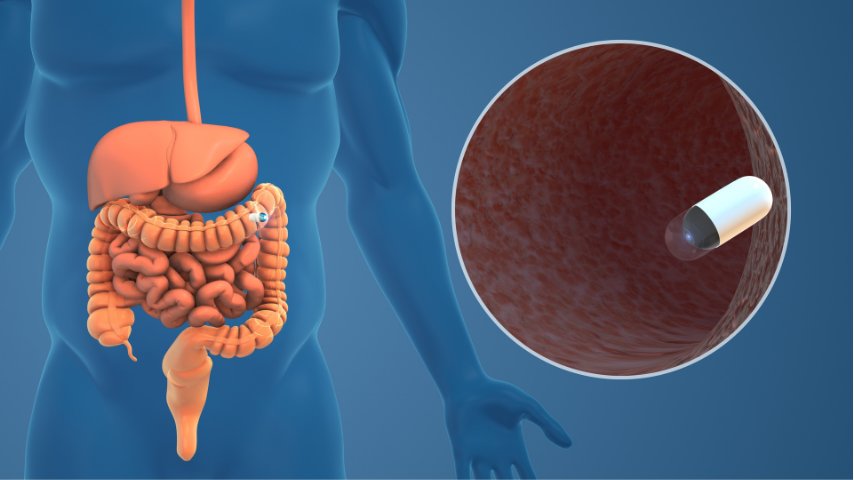
In this procedure, the patient swallows a small capsule that is about the size of a large vitamin tablet. Inside this capsule is a tiny camera, a light source, a battery, and a transmitter. As the capsule moves naturally through the digestive tract, it takes thousands of pictures and sends them to a recording device worn on the body.
These images help doctors examine the lining of the digestive tract in great detail and identify hidden problems that may otherwise go unnoticed.
Unlike traditional endoscopy, there are no tubes passed through the mouth or rectum during the test. This makes capsule endoscopy much more comfortable for many patients.
Why Doctors Recommend Capsule Endoscopy
Doctors usually recommend capsule endoscopy when symptoms continue but regular tests like upper GI endoscopy and colonoscopy do not provide clear answers.
One of the most common reasons is unexplained gastrointestinal bleeding. A person may have low blood count, weakness, black stools, or iron deficiency anemia, but regular tests may not show the source of bleeding. Since the small intestine is difficult to examine with standard procedures, capsule endoscopy becomes the next important step.
It is also commonly used when doctors suspect Crohn’s disease affecting the small bowel. This condition causes inflammation in the digestive tract and may lead to pain, diarrhea, weight loss, and fatigue.
Capsule endoscopy may also help detect small bowel ulcers, tumors, polyps, celiac disease complications, and unexplained abdominal pain.
In some cases, it is used to monitor known diseases and check how well treatment is working.
Its greatest value lies in finding problems that are hidden in areas difficult to reach through routine tests.
How Capsule Endoscopy Is Different from Regular Endoscopy
Many patients confuse capsule endoscopy with standard endoscopy, but they are quite different.
In a regular upper GI endoscopy, the doctor passes a flexible tube with a camera through the mouth to examine the food pipe, stomach, and the first part of the small intestine. In colonoscopy, a similar tube is passed through the rectum to examine the large intestine.
However, the middle part of the small intestine is very long and difficult to reach with these methods.
Capsule endoscopy solves this problem by allowing a tiny camera to travel naturally through the digestive tract and capture images from inside.
It is mainly used for diagnosis and does not allow treatment during the same procedure. For example, if a polyp or bleeding point is found, another procedure may still be needed for biopsy or treatment.
Still, it provides valuable information without discomfort, sedation, or surgery, making it an excellent diagnostic tool.
Preparing for Capsule Endoscopy
Preparation is important because clear images depend on an empty digestive tract.
Patients are usually asked not to eat or drink for at least 8 to 12 hours before swallowing the capsule. This helps improve visibility inside the small intestine.
In some cases, the doctor may advise bowel preparation similar to a mild colon cleansing, especially if clearer images are needed.
Regular medicines may also need review. Some medicines can affect movement of the digestive tract or interfere with image quality. Patients with diabetes may need special fasting instructions.
It is also important to tell the doctor if you have swallowing difficulties, previous intestinal surgery, bowel obstruction, or a history of narrowing in the intestine.
In some situations, doctors may first perform a patency capsule test. This is a dissolvable test capsule used to check if the digestive tract is open enough for the real capsule to pass safely.
Careful preparation helps ensure accurate results and reduces complications.
What Happens on the Day of the Procedure
On the day of the test, you will arrive at the hospital or endoscopy center after fasting as instructed.
A nurse or technician will place small sensor patches on your abdomen. These sensors are connected to a recording device worn around your waist or over the shoulder like a belt. This device collects the images sent by the capsule camera.
Once everything is ready, you simply swallow the capsule with water.
Most people find this easy, just like swallowing a normal tablet. No sedation or anesthesia is required.
After swallowing the capsule, you can usually leave the hospital and continue light daily activities unless your doctor advises otherwise.
You may be asked to avoid heavy exercise, bending too much, or staying near strong magnetic fields during the recording period.
You will also receive instructions about when you can start drinking liquids and eating light meals again, usually a few hours later.
The test continues as the capsule travels naturally through your digestive tract over several hours.
What Happens Inside the Body During Capsule Endoscopy
Once swallowed, the capsule moves through the esophagus, stomach, small intestine, and eventually into the large intestine using the body’s normal digestive movements.
As it travels, it takes thousands of high-quality images every second. These pictures are sent wirelessly to the recorder attached to your body.
The doctor later reviews these images carefully to look for signs of bleeding, inflammation, ulcers, tumors, narrowing, abnormal blood vessels, or other unusual findings.
The capsule itself does not cause pain and cannot be felt moving inside the body.
It is designed to pass naturally in the stool, usually within 24 to 72 hours, without the need to retrieve it.
Most patients do not even notice when it leaves the body.
This simple but advanced technology allows doctors to examine parts of the digestive tract that were once very difficult to assess.
How Long the Procedure Takes
The capsule endoscopy process itself is simple, but the full recording time usually lasts around 8 to 12 hours.
The swallowing of the capsule takes only a few minutes, but the device continues collecting images throughout the day as the capsule moves through the digestive system.
Patients usually return to the hospital later the same day or the next day so the recording equipment can be removed.
The doctor then studies the images in detail. Since thousands of pictures are generated, reviewing the results may take time.
Reports are often available within a few days depending on the hospital and the reason for the test.
Is Capsule Endoscopy Painful
Capsule endoscopy is generally painless and is considered one of the most comfortable digestive investigations available.
There are no tubes inserted into the body, no injections for sedation, and no surgical cuts.
Most patients only experience the feeling of swallowing a tablet.
Since the capsule moves naturally through the digestive tract, there is usually no discomfort afterward.
Some patients may feel slight anxiety about swallowing the capsule, especially if they have had difficulty swallowing pills before, but this is usually manageable.
If a patient has narrowing of the intestine, there is a small risk that the capsule may get stuck, which is why doctors carefully review medical history beforehand.
For most people, the experience is smooth and stress-free. Patients who are unsure about endoscopy symptoms they have been experiencing often find capsule endoscopy to be a reassuring and comfortable first step toward diagnosis.
Recovery After Capsule Endoscopy
Recovery is very simple because there is no sedation and no invasive procedure.
Patients can usually return to normal activities the same day unless advised otherwise.
After the recording period is complete, the sensor belt and recorder are removed.
The capsule passes naturally in the stool and does not need to be collected unless the doctor specifically asks for it.
Eating and drinking usually return to normal after the doctor’s instructions are completed.
If the capsule does not pass within a few days or if symptoms like abdominal pain, vomiting, or bloating occur, the doctor should be informed immediately.
These situations are uncommon but important to report.
Most patients experience no problems at all after the test.
Possible Risks and Complications
Capsule endoscopy is very safe, but like every medical procedure, it has a few possible risks.
The main concern is capsule retention, which means the capsule gets stuck inside the intestine instead of passing naturally. This is more likely in patients with Crohn’s disease, tumors, previous surgery, or bowel narrowing.
If retention happens, further treatment such as endoscopy or surgery may sometimes be needed to remove it.
Very rarely, swallowing difficulty may cause the capsule to enter the airway instead of the food pipe, but this is uncommon and carefully assessed beforehand.
Most patients complete the test without any complications.
Doctors recommend capsule endoscopy only after deciding that the benefits are much greater than the small possible risks.
Why Capsule Endoscopy Is a Valuable Modern Test
Capsule endoscopy has changed the way doctors diagnose hidden digestive problems.
In the past, many patients with unexplained bleeding or long-term digestive symptoms went through repeated tests without clear answers because the small intestine was difficult to examine. Today, gi procedures for abdominal pain have advanced significantly, and capsule endoscopy stands out as one of the most patient-friendly options available.
Today, this tiny camera offers a simple solution.
It helps doctors find the exact cause of problems earlier, which leads to faster treatment and better outcomes.
It is especially valuable because it avoids discomfort, hospital admission, and unnecessary surgery in many cases.
For patients, it offers peace of mind. For doctors, it provides detailed information from an area that was once hard to reach.
This combination of comfort and accuracy makes capsule endoscopy one of the most useful modern tools in digestive medicine. It also plays an important role in preventive gastroenterology, helping identify early digestive changes before they develop into serious conditions.
Conclusion
Capsule endoscopy is a remarkable example of how simple technology can solve complex medical problems.
A tiny swallowable camera can provide big answers by helping doctors examine the small intestine and detect bleeding, inflammation, ulcers, tumors, and other hidden digestive conditions.
It is painless, non-invasive, and especially helpful when regular endoscopy and colonoscopy do not explain ongoing symptoms.
If your doctor recommends capsule endoscopy, understanding the process can reduce anxiety and help you feel confident about the procedure.
Early diagnosis often means simpler treatment and better long-term health.
If you are dealing with unexplained anemia, hidden bleeding, long-term abdominal pain, or suspected small bowel disease, speak to your doctor about whether capsule endoscopy may be the right next step.
Sometimes the smallest camera can make the biggest difference.
References and Sources
American College of Gastroenterology – Capsule Endoscopy Information
National Institute of Diabetes and Digestive and Kidney Diseases – Digestive Diseases Information