Common Digestive Symptoms That May Need an Endoscopy
Medicine Made Simple Summary
Endoscopy is a common procedure used to examine the inside of the digestive tract when symptoms continue without a clear cause. It helps doctors look at the food pipe, stomach, and the first part of the small intestine using a thin flexible tube with a camera. Symptoms like long-term acidity, difficulty swallowing, stomach pain, vomiting, blood in vomit, black stools, unexplained weight loss, or repeated nausea may require this test. Early endoscopy helps identify ulcers, inflammation, bleeding, infections, or even cancer before complications become more serious.
Understanding What an Endoscopy Does
Many digestive symptoms begin as small discomforts that people often ignore. A little acidity after meals, occasional stomach pain, or a feeling of heaviness may seem harmless at first. However, when these symptoms continue for weeks or become more frequent, doctors may recommend an endoscopy to understand what is happening inside the body.
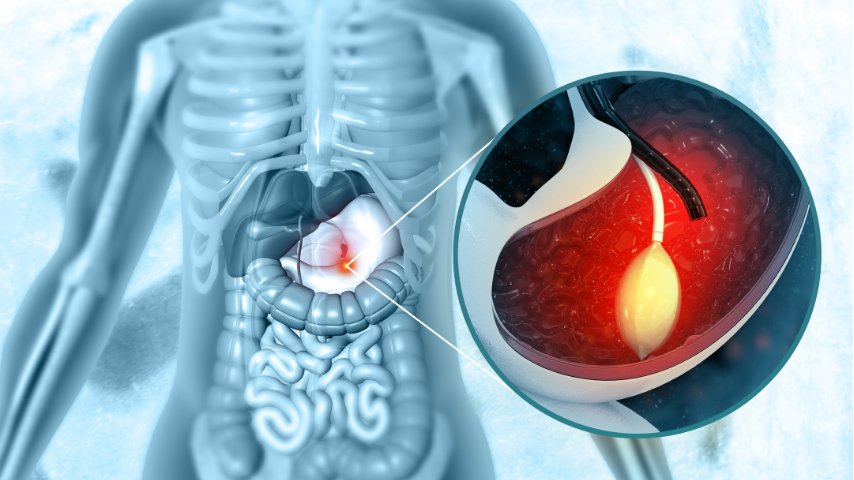
An upper GI endoscopy is a procedure that allows the doctor to look directly inside the food pipe, stomach, and the first part of the small intestine. A thin flexible tube with a small camera is passed gently through the mouth into the digestive tract. This helps the doctor see ulcers, swelling, bleeding, narrowing, infections, polyps, or suspicious growths that may not be visible on scans or blood tests.
Unlike regular imaging, endoscopy gives a real-time and detailed view of the inner lining of the digestive tract. It can also help doctors take a biopsy, which means removing a tiny tissue sample for testing.
The goal of endoscopy is not only diagnosis but also early treatment and prevention of more serious problems.
Long-Term Acidity and Frequent Heartburn
One of the most common reasons people need an endoscopy is long-term acidity or heartburn that keeps returning.
Heartburn usually feels like a burning sensation in the chest or upper stomach, especially after meals or while lying down. It often happens because stomach acid moves upward into the food pipe. This condition is called acid reflux or GERD.
Occasional acidity may improve with diet changes or simple medicines, but if symptoms happen frequently, disturb sleep, or continue for months, endoscopy becomes important.
Repeated acid exposure can damage the food pipe and lead to inflammation, ulcers, narrowing, or a condition called Barrett’s esophagus, which may increase cancer risk.
An endoscopy helps doctors see how much damage reflux has caused and whether stronger treatment is needed.
Ignoring long-term reflux can lead to more serious problems later.
Difficulty Swallowing or Food Getting Stuck
Difficulty swallowing should never be ignored, especially when it becomes frequent or slowly gets worse.
Some patients feel like food gets stuck in the chest after swallowing. Others may need extra water to swallow even soft foods. In severe cases, even liquids become difficult to swallow.
This symptom is called dysphagia and may happen because of narrowing in the food pipe, swelling, muscle problems, acid reflux damage, or abnormal growths.
Sometimes patients also feel pain while swallowing, which may suggest ulcers or infection.
Endoscopy helps doctors look directly at the food pipe and identify whether the problem is due to a stricture, inflammation, or something more serious like a tumor.
Early diagnosis is very important because swallowing problems can lead to poor nutrition, weight loss, and delayed treatment if the cause is serious.
Persistent Upper Abdominal Pain
Many people experience stomach pain occasionally, especially after heavy meals, but pain that continues for weeks needs proper attention.
Persistent pain in the upper abdomen may be caused by gastritis, stomach ulcers, acid irritation, infection with Helicobacter pylori, gallbladder problems, or even early stomach cancer. When such symptoms are investigated, doctors may consider various gi procedures for abdominal pain depending on the location, pattern, and severity of discomfort.
Patients often describe it as burning, heaviness, sharp discomfort, or pain that gets worse after eating.
Sometimes the pain improves for a short time with medicines and then returns again.
When symptoms continue despite treatment, endoscopy helps doctors check the stomach lining directly.
It can show inflammation, ulcers, bleeding points, or suspicious areas that need biopsy.
This is especially important if the pain is associated with vomiting, weight loss, poor appetite, or anemia.
Repeated Nausea and Vomiting
Occasional nausea may happen with infections or food-related problems, but repeated nausea and vomiting without a clear reason should be evaluated carefully.
If vomiting happens regularly, especially after meals, it may suggest a blockage near the stomach outlet, severe acid-related disease, ulcers, delayed stomach emptying, or narrowing in the digestive tract.
Patients with vomiting may also develop dehydration, weakness, and poor nutrition over time.
Vomiting that continues for several days or keeps returning over weeks should not be treated casually.
Endoscopy helps doctors identify whether there is swelling, blockage, ulcers, or another cause that needs treatment.
If vomiting contains blood or looks dark like coffee grounds, urgent endoscopy may be needed because this can indicate bleeding inside the stomach or food pipe.
Vomiting Blood or Black Stools
Vomiting blood is always a serious warning sign and should never be ignored.
The blood may appear bright red or dark brown like coffee grounds. This usually suggests bleeding from the food pipe, stomach, or upper small intestine.
Black, sticky stools with a strong smell may also indicate bleeding higher up in the digestive tract. This happens because the blood gets digested before passing out of the body.
Common causes include stomach ulcers, severe gastritis, bleeding veins called varices, tears in the food pipe, or tumors.
Endoscopy is often the first and most important test in these situations because it helps doctors find the exact source of bleeding and often treat it immediately.
Clips, injections, or banding can sometimes stop the bleeding during the same procedure, avoiding emergency surgery.
This makes endoscopy both a diagnostic and life-saving treatment.
Unexplained Weight Loss and Poor Appetite
Weight loss without trying is a symptom that always needs medical attention, especially when it is linked to digestive discomfort.
If a person is eating less because of pain, swallowing difficulty, nausea, or a constant feeling of fullness, the body may begin to lose weight quickly.
Poor appetite, early fullness after small meals, and unexplained weakness may suggest ulcers, chronic inflammation, stomach blockage, or even cancer of the stomach or food pipe.
Many patients ignore these symptoms and assume stress is the reason, but unexplained weight loss should always be investigated properly.
Endoscopy helps doctors identify whether there is an ulcer, narrowing, growth, or another condition causing the problem.
Early diagnosis is especially important because treatment becomes much easier when serious disease is found early.
Anemia Without an Obvious Cause
Some patients do not have visible digestive symptoms but feel tired all the time, weak, or short of breath. Blood tests may show anemia, which means low hemoglobin.
When anemia happens without an obvious reason, doctors often check for hidden bleeding inside the digestive tract.
Slow bleeding from stomach ulcers, gastritis, colon polyps, or early cancers may not be visible in stool but can gradually lower blood count over time.
Patients may also notice dizziness, pale skin, or reduced energy levels.
Endoscopy helps detect these hidden bleeding sources and is often recommended when iron deficiency anemia has no clear explanation.
Finding the cause early prevents repeated weakness and avoids missing important diseases.
Chronic Bloating and Feeling of Fullness
Bloating after heavy meals is common, but if the feeling of fullness happens every day or after small amounts of food, it may need medical evaluation.
Some patients feel their stomach stays full for a long time or notice discomfort even after eating very little.
This may happen because of gastritis, delayed stomach emptying, ulcers, narrowing near the stomach outlet, or digestive disorders affecting normal movement.
While bloating is often linked to lifestyle habits, persistent symptoms should not be ignored, especially when they are associated with vomiting, weight loss, or appetite changes.
Endoscopy helps rule out structural problems inside the stomach and gives doctors a clearer direction for treatment.
Family History of Stomach or Esophageal Cancer
Sometimes endoscopy is advised even before symptoms become severe, especially when there is a strong family history of stomach cancer, food pipe cancer, or certain digestive diseases.
If a close family member has had these conditions, doctors may recommend earlier evaluation depending on age and symptoms.
People with long-term smoking, alcohol use, chronic acid reflux, or previous stomach ulcers may also need closer monitoring. In such cases, colonoscopy screening may also be advised alongside endoscopy to provide a complete evaluation of the digestive tract from both ends.
In these cases, endoscopy helps detect early warning signs before symptoms become obvious.
Preventive testing can make a major difference because early-stage disease is much easier to treat.
When You Should Not Delay an Endoscopy
Many people delay endoscopy because they are afraid of pain, sedation, or what the doctor might find.
This delay can make simple problems become serious.
An endoscopy is usually a quick, safe, and highly useful procedure. Most patients say it was much easier than they expected.
The purpose of the test is not to create fear but to provide answers.
Symptoms like bleeding, swallowing difficulty, repeated vomiting, severe acidity, and unexplained weight loss should never be ignored.
Waiting too long may delay treatment and increase complications.
Doctors recommend endoscopy because they want to identify the cause early and prevent long-term damage.
Conclusion
Digestive symptoms are often the body’s way of warning that something needs attention.
While occasional acidity or mild stomach discomfort may not always be serious, symptoms that continue, worsen, or return repeatedly should be checked properly.
Upper GI endoscopy is one of the most valuable tools for understanding problems like acid reflux, ulcers, bleeding, swallowing difficulty, vomiting, and unexplained weight loss.
It helps doctors diagnose the cause accurately and often allows treatment during the same procedure.
If your doctor recommends an endoscopy, it is usually because important answers are needed.
Early testing leads to earlier treatment, better recovery, and greater peace of mind.
Listening to your symptoms and acting early can protect your digestive health and prevent serious complications in the future.
References and Sources
American College of Gastroenterology – Upper GI Endoscopy Information