Distal Pancreatectomy and Splenectomy: How Losing the Spleen Changes Recovery and Long-Term Health
Medicine Made Simple
Distal pancreatectomy is a surgery where the body and tail of the pancreas are removed, and in many cases the spleen is also removed. This is called distal pancreatectomy with splenectomy. Many patients focus on the pancreas but are surprised to learn that spleen removal can affect recovery and long-term health. The spleen helps the body fight certain infections, so losing it means extra care is needed. Recovery may include vaccinations, infection precautions, and lifestyle awareness. Understanding how splenectomy changes life helps patients feel more prepared and less anxious after surgery.
What Is a Distal Pancreatectomy with Splenectomy?
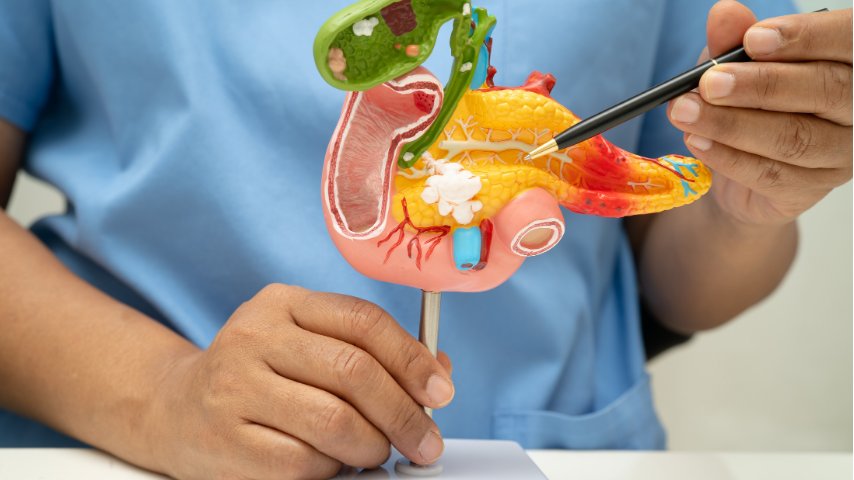
The pancreas is an important organ located behind the stomach. It helps digest food by producing enzymes and also controls blood sugar by making hormones like insulin. The pancreas has three main parts called the head, body, and tail.
A distal pancreatectomy is a surgery where the body and tail of the pancreas are removed. This operation is commonly done for pancreatic tumors, cysts, neuroendocrine tumors, chronic pancreatitis, or cancer affecting the left side of the pancreas.
The spleen sits very close to the tail of the pancreas. Because of this close connection, surgeons often remove the spleen during the same operation. This is called distal pancreatectomy with splenectomy.
Sometimes the spleen must be removed because:
- The tumor is too close to it
- Blood vessels are shared between the pancreas and spleen
- Cancer safety requires complete removal
- Severe inflammation makes separation unsafe
Patients are often more prepared for pancreas surgery than for spleen removal, but understanding both is important for recovery.
What Does the Spleen Actually Do?
Many people do not know what the spleen does until they are told it may be removed.
The spleen is an organ located on the left side of the abdomen near the stomach. It helps the body in several important ways, especially with immune protection.
The spleen helps by:
- Fighting certain bacterial infections
- Filtering old or damaged blood cells
- Supporting the immune system
- Helping the body respond to infections
You can live without a spleen, but the body becomes more vulnerable to certain serious infections. This is why splenectomy changes long-term health planning.
The good news is that with proper care, vaccinations, and awareness, most people live normal lives after spleen removal.
Why Recovery Feels Different When the Spleen Is Removed
Recovery after distal pancreatectomy already takes time because it is major abdominal surgery. When the spleen is also removed, there is an extra layer of care that patients need to understand.
Patients often feel:
- More overwhelmed by discharge instructions
- Concern about infection risk
- Anxiety about fever after surgery
- Confusion about vaccines
- Fear of long-term health problems
This emotional stress is common.
Physical recovery may feel similar to distal pancreatectomy alone, but the long-term planning becomes more important because infection prevention becomes a lifelong responsibility.
This is often the part patients were not expecting.
Hospital Recovery After Surgery
In the first few days after surgery, recovery focuses mainly on pain control, safe healing, eating again, and preventing complications.
Patients may wake up with:
- IV fluids
- Pain medicine support
- Surgical drains
- Urinary catheter
- Oxygen support
- Temporary stomach tube in some cases
Walking usually begins early, even within the first day, because movement helps prevent blood clots and improves healing.
Eating starts slowly with liquids and gradually moves to soft foods.
Most patients stay in the hospital for several days depending on how recovery progresses and whether complications like pancreatic leak occur.
During this time, doctors also begin planning for splenectomy-related care, especially infection prevention.
Why Vaccines Become So Important
One of the biggest changes after spleen removal is the need for vaccinations.
The spleen plays an important role in protecting the body against certain dangerous bacterial infections. Without it, infections can become serious much faster.
Doctors usually recommend vaccines against:
- Pneumococcus
- Meningococcus
- Haemophilus influenzae type b (Hib)
- Sometimes yearly flu vaccine
- Other vaccines depending on age and medical condition
Some vaccines are given before surgery if the surgery is planned. Others may be given after surgery during recovery.
Patients often worry that needing vaccines means they are very weak or permanently sick. That is not true. Vaccines are simply a safety step to protect against infections that become more dangerous without a spleen.
Fever After Splenectomy Should Never Be Ignored
This is one of the most important long-term rules after spleen removal.
If a patient without a spleen develops fever, it should always be taken seriously.
Even a simple infection can become severe more quickly than expected. Doctors often advise patients to seek medical attention early instead of waiting.
Symptoms that need quick attention include:
- Fever
- Chills
- Sudden weakness
- Severe sore throat
- Fast heart rate
- Feeling suddenly very unwell
Many patients are surprised by how strongly doctors emphasize this, but it is one of the most important safety habits after splenectomy.
Early treatment prevents dangerous complications.
Does Losing the Spleen Affect Daily Life Forever?
This is a very common fear.
Most people want to know if life after distal pancreatectomy will ever feel normal again after splenectomy.
The answer is yes, most patients return to normal life, work, travel, and routine activities. However, they need long-term awareness about infection prevention.
This usually means:
- Keeping vaccination records updated
- Taking fever seriously
- Informing future doctors about splenectomy
- Sometimes carrying medical alert information
- Extra care during serious infections
Patients do not need to live in fear, but they do need to stay informed.
Many people live full healthy lives for decades after spleen removal.
Digestion and Eating After Surgery
Patients often focus only on infection risk, but digestion is also a major part of recovery.
Because part of the pancreas is removed, some people notice:
- Poor appetite
- Feeling full quickly
- Bloating
- Loose stools
- Greasy stools
- Difficulty digesting fatty foods
- Weight loss
This happens because the pancreas helps produce digestive enzymes. When part of it is removed, digestion may temporarily or permanently change.
Doctors may recommend:
- Small frequent meals
- Simple home-cooked food
- Good protein intake
- Less oily food early in recovery
- Pancreatic enzyme tablets if needed
Eating improves slowly, not immediately. Patients should be patient with themselves during this stage.
Will You Develop Diabetes?
Another major concern after distal pancreatectomy is diabetes.
The pancreas helps control blood sugar by making insulin. If a large part is removed, blood sugar levels may rise.
Possible warning signs include:
- Increased thirst
- Frequent urination
- Sudden tiredness
- Blurred vision
- High blood sugar on tests
Not every patient develops diabetes. Some need only temporary monitoring, while others may need tablets or insulin treatment.
Doctors usually monitor blood sugar during follow-up visits.
This possibility causes anxiety, but it should not be assumed automatically.
Emotional Stress After Splenectomy
Patients often feel emotionally unprepared for spleen removal.
They may think:
- Why did my spleen need to be removed?
- Will I be unsafe forever?
- Will I keep getting infections?
- Is life now permanently limited?
These fears are understandable.
Some patients feel more anxious about losing the spleen than the pancreas because the idea of “living without an immune organ” sounds frightening.
Clear explanation from the surgical team helps reduce this fear. Most people do very well after splenectomy when they understand how to protect themselves.
Emotional recovery matters just as much as physical healing.
Follow-Up Visits Matter More Than Patients Realize
Many people think surgery recovery ends when they leave the hospital.
That is not true.
Follow-up appointments help doctors check:
- Wound healing
- Drain removal
- Final pathology results
- Blood sugar levels
- Digestion and nutrition
- Vaccination planning
- Infection prevention advice
- Need for chemotherapy if cancer was present
These visits are extremely important because they guide both short-term healing and long-term health planning.
Skipping follow-up can delay important care.
Travel and Lifestyle After Splenectomy
Many patients ask if travel becomes dangerous after spleen removal.
Most people can travel normally, but extra care is needed, especially for international travel or places with limited medical access.
Patients may need:
- Updated vaccines
- Doctor advice before travel
- Extra awareness of infection symptoms
- Quick access to medical care if fever develops
Lifestyle itself is usually normal. Exercise, work, family life, and daily activities return with time.
The goal is not restriction. The goal is awareness.
When to Call Your Doctor Urgently
Some symptoms should never be ignored after distal pancreatectomy with splenectomy.
You should contact your doctor immediately if you have:
- Fever
- Severe abdominal pain
- Vomiting that does not stop
- Chest pain
- Shortness of breath
- Redness or pus from the wound
- High drain output
- Severe weakness
- Sudden illness with chills
Patients without a spleen should always treat fever seriously.
Early treatment saves lives.
Conclusion
If you or a loved one is preparing for distal pancreatectomy with splenectomy, understanding spleen removal helps reduce fear and improves confidence.
The surgery may sound overwhelming, but most patients recover well and return to normal life with the right follow-up and awareness.
Vaccinations, infection prevention, good nutrition, and regular medical care make a major difference.
Do not ignore fever, do not skip follow-up visits, and do not hesitate to ask your surgical team questions.
Knowledge makes recovery safer, calmer, and much easier to manage.
References and Sources
Memorial Sloan Kettering Cancer Center – Distal Pancreatectomy and Splenectomy