Can You Live Normally After a Distal Pancreatectomy? Diet, Diabetes, and Daily Life Explained
Medicine Made Simple
Distal pancreatectomy is a surgery where the body and tail of the pancreas are removed, and sometimes the spleen is also removed. Many patients worry whether life will ever feel normal again after surgery. The good news is that most people do return to work, family life, and daily routines with time. Recovery may include temporary weakness, digestion changes, weight loss, and concerns about diabetes. Some people may need enzyme tablets or blood sugar monitoring. Understanding what changes are temporary and what needs long-term care helps patients recover with more confidence and less fear.
What Is a Distal Pancreatectomy?
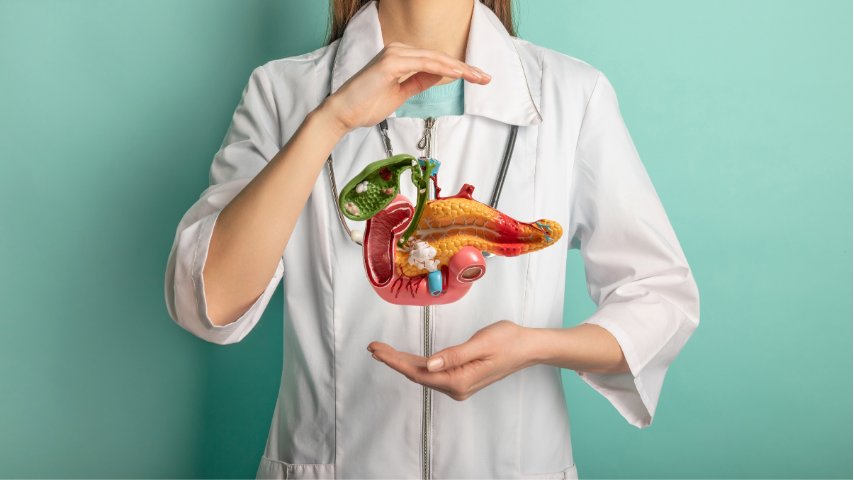
The pancreas is an important organ located behind the stomach. It helps the body in two major ways. First, it produces digestive enzymes that help break down food, especially fats, proteins, and carbohydrates. Second, it produces hormones like insulin that help control blood sugar levels. Most people do not think much about the pancreas until a medical problem makes surgery necessary.
The pancreas has three main parts:
- Head
- Body
- Tail
A distal pancreatectomy is a surgery where the body and tail of the pancreas are removed. This is commonly done for pancreatic cysts, tumors, neuroendocrine tumors, chronic pancreatitis, or pancreatic cancer affecting the left side of the pancreas.
In many patients, the spleen is also removed because it lies very close to the tail of the pancreas. This is called distal pancreatectomy with splenectomy. The surgery may be done through open surgery with a larger cut or through laparoscopic or robotic surgery using smaller cuts.
Although this is a major surgery, most patients can return to a normal and active life after proper recovery.
Can Life Really Return to Normal?
This is the biggest question patients ask after surgery. People naturally worry whether they will be able to eat normally again, return to work, exercise, travel, or simply feel like themselves again.
The answer for most patients is yes.
Life may not feel normal immediately after surgery, but over time many people return to work, family responsibilities, social life, travel, and regular routines. Recovery takes patience because the body needs time to adjust to the loss of part of the pancreas.
Some patients recover faster than others depending on age, overall health, the reason for surgery, whether complications happened, and whether chemotherapy is needed afterward.
The goal is not only to survive surgery. The goal is to restore quality of life.
Many patients feel discouraged in the early weeks, but long-term recovery is usually much better than the first month suggests.
Why Recovery Feels Slow at First
One of the biggest surprises after distal pancreatectomy is how slow recovery feels. Many patients expect that once the surgery is done, they should start feeling better quickly. Instead, they often feel weak, tired, and emotionally exhausted.
This happens because pancreatic surgery is a major abdominal operation. Even if the skin wound looks small, healing inside the body takes much longer.
Patients often experience:
- Extreme tiredness
- Poor appetite
- Weight loss
- Mild pain around the incision
- Sleep problems
- Digestion changes
- Emotional stress and anxiety
This can make people feel like life will never feel normal again.
But in most cases, these problems improve gradually over weeks and sometimes months. Slow recovery does not mean bad recovery. It means the body is doing important healing work.
Eating After Distal Pancreatectomy
Food becomes one of the biggest concerns after surgery. Many patients feel anxious because appetite becomes poor and digestion feels different. Some feel full after only a few bites, while others struggle with bloating or discomfort after meals.
This happens because the pancreas helps produce digestive enzymes. When part of it is removed, the body may need time to adjust.
Common food-related problems include:
- Feeling full quickly
- Bloating after meals
- Loose stools
- Greasy stools
- Nausea
- Discomfort after oily foods
- Weight loss
The best approach is usually small, frequent meals instead of large heavy meals. Soft home-cooked foods are often easier to tolerate during the early weeks.
Helpful foods often include rice, soup, toast, yogurt, eggs, soft vegetables, and light protein meals. Fried and fatty foods may feel uncomfortable in the beginning.
Patients often worry they are not eating enough, but recovery should focus on steady improvement, not perfection.
Do You Need Pancreatic Enzyme Tablets?
Some patients need pancreatic enzyme replacement after surgery. These are tablets taken with meals to help digest food properly.
They are often recommended when patients experience greasy stools, bloating, poor weight gain, or difficulty digesting fatty foods. These symptoms may mean the body is not absorbing nutrients properly.
Pancreatic enzyme tablets help by:
- Improving digestion
- Reducing bloating
- Helping with weight maintenance
- Improving food absorption
- Reducing oily or floating stools
Not everyone needs them permanently. Some patients use them only during early recovery, while others may need them for longer depending on how much pancreas was removed.
Doctors decide this based on symptoms and follow-up.
Will You Develop Diabetes?
This is one of the most common fears after distal pancreatectomy.
Since the pancreas produces insulin, removing part of it may affect blood sugar control. Many patients immediately assume they will become diabetic for life.
That is not always true.
The risk depends on how much pancreas was removed, how healthy the remaining pancreas is, whether diabetes existed before surgery, and the reason for surgery.
Some patients only need temporary blood sugar monitoring. Others may need tablets or insulin treatment.
Possible warning signs include:
- Increased thirst
- Frequent urination
- Sudden tiredness
- Blurred vision
- Unexplained weight loss
Doctors usually monitor blood sugar during follow-up visits. Many patients never need long-term diabetes treatment, so it should not be assumed automatically.
Can You Work Again?
Most patients are able to return to work after recovery, but the timing depends on the type of surgery and the nature of the job.
Patients with office-based jobs may return earlier than those with physically demanding work. Heavy lifting is usually restricted for several weeks because the body needs time for safe internal healing.
The timing depends on:
- Open or laparoscopic surgery
- Pain levels
- Energy levels
- Presence of complications
- Need for chemotherapy
- Overall physical strength
Many patients worry that they will never regain the same energy levels. In reality, strength improves gradually. Returning too early can slow recovery, so patience is important.
Doctors usually help decide the safest time to restart work.
Can You Exercise Again?
Yes, but exercise must restart slowly and safely.
Walking is encouraged very early because it helps improve blood circulation, breathing, digestion, and healing. It also helps reduce the risk of blood clots after surgery.
Most patients begin with:
- Short daily walks
- Light movement inside the house
- Gentle stretching
- Gradual increase in walking distance
Heavy gym workouts, weight training, and intense exercise should wait until the doctor confirms healing is safe.
Exercise also helps mental recovery because it improves mood and confidence. The key is gradual progress, not rushing.
What If the Spleen Was Also Removed?
If the spleen was removed during surgery, patients need some extra long-term precautions.
The spleen helps protect the body against serious infections. Without it, infection prevention becomes more important.
Patients may need:
- Vaccinations
- Faster treatment for fever
- Extra awareness of infections
- Regular medical advice for infection prevention
This does not mean life becomes dangerous. It simply means patients need to stay informed and take fever seriously.
Most people live normal lives after splenectomy with the right precautions.
Weight Loss After Surgery
Weight loss is very common after distal pancreatectomy and often causes a lot of stress. Patients may feel worried that losing weight means recovery is failing.
This happens because appetite becomes poor, digestion changes, surgery increases energy needs, and anxiety often reduces hunger.
In most cases, weight stabilizes gradually as eating improves and the body heals.
Recovery should focus on:
- Small regular meals
- Good protein intake
- Enough fluids
- Digestion support if needed
- Regular weight monitoring
Doctors may suggest diet support if weight loss becomes severe.
Weight gain is often slow, but that does not mean recovery is going badly.
Emotional Recovery Is Part of Healing
Many patients focus only on physical recovery and forget how emotionally difficult this journey can be.
Patients may feel:
- Fear about cancer results
- Anxiety about future treatment
- Frustration with slow healing
- Loss of independence
- Financial stress
- Worry about long-term survival
These feelings are normal.
Some patients feel guilty for feeling emotional because surgery was successful. But emotional recovery matters just as much as physical healing.
Talking openly with doctors and family members helps reduce stress and improves recovery.
Healing is not only about the body. It is also about feeling mentally safe and supported.
Travel and Social Life After Surgery
Many patients ask if they will be able to travel again or return to normal social life.
The answer is yes.
Most people can return to family events, work meetings, travel plans, and daily routines after proper recovery. This may take time, but normal life usually returns step by step.
Patients should be more careful if:
- Recovery is still early
- Drains are still present
- Blood sugar is unstable
- Chemotherapy is planned
- The spleen was removed
The goal is not restriction. The goal is safe recovery.
Life after surgery should move forward gradually, not all at once.
When Life Still Does Not Feel Normal
Some patients feel discouraged because even after weeks, life still feels difficult. They compare themselves to others and worry recovery is too slow.
It is normal to still have fatigue, mild pain, digestion changes, emotional ups and downs, and reduced strength during the first few weeks or even months.
Distal pancreatectomy recovery often takes longer than people expect. Patients who understand this usually cope better emotionally.
Normal life does not return in one day. It returns slowly through many small improvements.
Patience becomes part of treatment.
When You Should Call Your Doctor
Some symptoms should never be ignored.
You should contact your doctor if you have:
- Fever
- Severe abdominal pain
- Vomiting that does not stop
- Redness or pus from the wound
- High blood sugar symptoms
- Sudden weakness
- Chest pain
- Shortness of breath
- Yellowing of the eyes
- Severe weight loss
These may suggest infection, pancreatic leak, or another complication that needs urgent care.
Early treatment makes recovery safer and prevents bigger problems.
Follow-Up Visits Matter
Follow-up appointments help doctors understand how recovery is progressing and whether more support is needed.
These visits may include:
- Blood sugar testing
- Nutrition review
- Weight monitoring
- Wound healing checks
- Drain removal if needed
- Pathology discussion
- Chemotherapy planning if required
- Long-term recovery guidance
Skipping follow-up visits can delay important treatment decisions.
Recovery continues long after hospital discharge, and follow-up care is a major part of getting back to normal life.
Conclusion
If you are preparing for distal pancreatectomy or recovering from it now, remember that slow recovery does not mean life will never feel normal again.
Most patients return to work, family life, eating, travel, and daily routines with time and proper care. The key is understanding digestion changes, watching blood sugar, attending follow-up visits, and asking for help when needed.
Do not let fear control recovery. With the right guidance, life after distal pancreatectomy can be healthy, active, and fulfilling.
References and Sources
Memorial Sloan Kettering Cancer Center – About Your Distal Pancreatectomy