Why Tumors, Scar Tissue, or Infections Can Narrow the Windpipe

Medicine Made Simple
The windpipe, also called the trachea, is the main airway that carries air from the throat to the lungs. When this airway becomes narrow, breathing can become difficult. This narrowing may happen because of tumors, scar tissue, infections, or inflammation affecting the airway. Each of these conditions can reduce the space inside the windpipe and restrict airflow. Airway blockage symptoms may include breathlessness, noisy breathing, persistent coughing, or a feeling of tightness in the throat. With modern diagnostic tools such as CT scans and bronchoscopy for airway narrowing, doctors can identify the cause of airway narrowing and treat it using minimally invasive procedures.
Understanding the Role of the Windpipe in Breathing
Every breath depends on a clear pathway that allows air to travel from the outside environment into the lungs. After air enters through the nose or mouth, it moves through the throat and then into the trachea, commonly known as the windpipe.
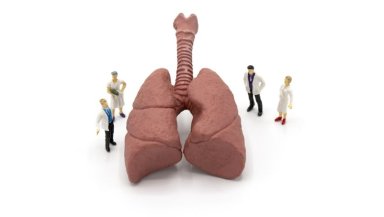
The windpipe is a flexible tube that acts as the main passage for air entering the lungs. It is supported by strong rings of cartilage that help maintain its shape and keep it open during breathing.
Once air travels through the windpipe, it divides into two large tubes called bronchi that carry air into the lungs. From there, the air continues through smaller airways until it reaches the tiny air sacs where oxygen enters the bloodstream.
When the windpipe remains open and healthy, breathing occurs smoothly and effortlessly. However, when the windpipe becomes narrow, airflow becomes restricted and breathing can become difficult.
What Airway Narrowing Means
Airway narrowing occurs when the diameter of the breathing passage becomes smaller than normal. This reduction in space can make it harder for air to move through the airway.
Even a small reduction in the size of the airway can have a noticeable effect on breathing. This happens because airflow resistance increases dramatically when the airway becomes narrow.
When the windpipe is narrowed, the body must work harder to move air into the lungs. This can lead to symptoms such as breathlessness, coughing, and noisy breathing.
In severe cases, the narrowing may significantly limit airflow and interfere with everyday activities.
How Tumors Can Narrow the Windpipe
Tumors are abnormal growths of cells that can develop in different parts of the body. When tumors develop inside the airway or press against it from nearby tissues, they can reduce the space available for airflow.
Some tumors grow directly inside the windpipe. As they increase in size, they occupy space within the airway and partially block the passage of air.
Other tumors may develop in nearby structures such as the lungs, lymph nodes, or thyroid gland. As these tumors grow, they may press against the windpipe from the outside and compress it.
Both types of tumors can interfere with airflow and cause breathing symptoms.
Tumors affecting the airway may be benign, meaning non-cancerous, or malignant, meaning cancerous. Regardless of their type, tumors that block the airway need careful evaluation and treatment.
How Scar Tissue Can Cause Windpipe Narrowing
Scar tissue is a natural part of the body’s healing process. When the airway lining becomes injured, the body repairs the damage by forming scar tissue.
Although this process helps heal the tissue, scar tissue is thicker and less flexible than normal airway lining. When scar tissue forms inside the windpipe, it can gradually reduce the diameter of the airway. This condition is known as tracheal stenosis.
This condition is known as tracheal stenosis.
Scar tissue in the windpipe often develops after prolonged intubation in the intensive care unit. When patients require ventilator support, a breathing tube is placed in the airway to assist breathing.
The pressure from the tube may irritate the airway lining. During healing, scar tissue can form and slowly narrow the airway.
Other causes of airway scarring include previous airway surgery, trauma to the neck, or inflammatory conditions affecting the airway.
How Infections Can Affect the Airway
Certain infections can also lead to narrowing of the windpipe.
When infections affect the airway, they can cause inflammation and swelling of the airway lining. This swelling reduces the space available for airflow and can lead to breathing difficulty.
Some infections may also damage the airway lining, which can lead to scar formation during healing.
Chronic infections, particularly those that affect the respiratory system, may cause repeated inflammation and structural changes in the airway.
These changes can gradually narrow the windpipe and produce long-term breathing problems.
Symptoms That May Suggest Windpipe Narrowing
Windpipe narrowing often develops gradually, and symptoms may become noticeable over time.
Shortness of breath is the most common symptom. Patients may initially experience breathlessness during physical activity, but the symptoms may gradually worsen.
Noisy breathing may also occur. A high-pitched sound called stridor causes concern when air passes through the narrowed airway.
Persistent coughing is another common symptom. Some patients feel a constant sensation of tightness in the throat or upper chest.
Because these symptoms can resemble asthma or other respiratory conditions, airway narrowing is sometimes mistaken for other illnesses.
Why Airway Narrowing Is Sometimes Misdiagnosed
Airway narrowing can be difficult to recognize because its symptoms overlap with more common respiratory conditions such as asthma or chronic bronchitis.
Patients may initially receive treatments such as inhalers or medications designed to relax the smaller airways in the lungs.
If these treatments do not improve symptoms, doctors may begin to investigate whether a structural problem exists in the airway.
This evaluation often involves specialized imaging and procedures that allow doctors to examine the airway directly.
How Doctors Diagnose Windpipe Narrowing
Diagnosing airway narrowing requires a careful evaluation of the airway.
Doctors often begin with imaging tests such as a CT scan of the chest and neck. These scans provide detailed images of the airway and surrounding structures.
One of the most important diagnostic procedures is bronchoscopy. During bronchoscopy, a thin flexible tube with a camera is inserted through the mouth or nose into the airway.
This allows doctors to see the inside of the windpipe and identify areas where the airway has become narrow or blocked.
Bronchoscopy also allows doctors to collect tissue samples if necessary and to perform treatments during the same procedure.
Treatment Options for Windpipe Narrowing
Treatment depends on the underlying cause of the narrowing.
If a tumor is blocking the airway, doctors may remove part of the tumor using bronchoscopic techniques. In some cases, additional treatments such as chemotherapy or radiation therapy may be recommended.
When scar tissue causes narrowing, doctors may perform balloon dilatation to stretch the scar tissue and widen the airway.
Other treatments such as laser therapy or cryotherapy may be used to remove abnormal tissue inside the airway.
If the airway repeatedly narrows, doctors may place an airway stent. A stent is a small tube that helps keep the airway open and allows air to pass freely.
These treatments are often performed using bronchoscopy, which allows doctors to treat airway problems without major surgery.
The Role of Interventional Pulmonology
Modern airway treatments are part of a specialized medical field known as interventional pulmonology.
Interventional pulmonologists are lung specialists trained in advanced bronchoscopic procedures. These specialists use minimally invasive techniques to diagnose and treat airway diseases.
Procedures such as airway dilation, tumor removal, and airway stenting allow doctors to restore airflow without large surgical incisions.
Advances in this field have greatly improved treatment options for patients with airway narrowing.
When Patients Should Seek Medical Advice
Persistent breathing problems should always be evaluated by a healthcare professional.
Patients who experience ongoing breathlessness, noisy breathing, or persistent coughing should seek medical evaluation, especially if symptoms do not improve with routine treatments.
Early diagnosis allows doctors to identify airway narrowing before it becomes severe and to begin appropriate treatment.
Conclusion
The windpipe plays a crucial role in carrying air to the lungs. When tumors, scar tissue, or infections affect the airway, they can reduce the space inside the windpipe and restrict airflow.
This narrowing can lead to symptoms such as breathlessness, noisy breathing, and persistent coughing.
Because these symptoms may resemble other respiratory conditions, proper medical evaluation is essential. Modern diagnostic tools such as CT scans and bronchoscopy allow doctors to identify the cause of airway narrowing and provide targeted treatment.
With appropriate care and modern airway therapies, many patients can regain comfortable breathing and improved quality of life.
If you or a family member experience persistent breathlessness, noisy breathing, or unexplained respiratory symptoms, consult a pulmonologist or airway specialist. Early diagnosis and modern bronchoscopic treatments can help restore airflow and prevent complications.
References and Sources
Cleveland Clinic – Tracheal Stenosis and Airway Disorders
Johns Hopkins Medicine – Bronchoscopy and Airway Conditions
PubMed – Airway Stenosis and Bronchoscopic Treatment Research