What Is an Airway Stent and How Does It Help People Breathe Again?

Medicine Made Simple
An airway stent is a small tube placed inside the windpipe or large airways to keep them open when they become narrow or blocked. Severe airway narrowing can make breathing difficult and may cause symptoms such as breathlessness, coughing, or noisy breathing. Doctors place airway stents using a procedure called bronchoscopy for airway narrowing, which allows them to reach the airway without major surgery. The stent acts like a support structure that holds the airway open and restores airflow to the lungs. Understanding how airway stents work helps patients and families feel more comfortable when this treatment is recommended.
Understanding How Air Moves Through the Airway
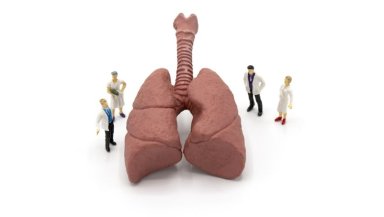
Breathing is a process that depends on a clear pathway between the outside air and the lungs. When a person inhales, air enters through the nose or mouth and travels down the throat before reaching the windpipe. The windpipe, medically known as the trachea, is the main airway that carries air toward the lungs.
The trachea divides into two large tubes called bronchi, which continue branching into smaller airways inside the lungs. These airways deliver oxygen to the tiny air sacs in the lungs where oxygen enters the bloodstream.
The trachea and the larger bronchi are supported by cartilage rings that keep them open during breathing. These structures allow air to move smoothly and efficiently in both directions.
However, if any part of the airway becomes narrow or blocked, airflow is restricted and breathing becomes more difficult. In severe cases, doctors may use an airway stent to reopen the airway and restore normal breathing.
What an Airway Stent Is
An airway stent is a small medical device designed to keep a narrowed airway open. The stent is shaped like a hollow tube and is placed inside the trachea or bronchi where the airway has become narrowed.
Once the stent is positioned inside the airway, it expands and presses gently against the airway walls. This helps keep the airway open and allows air to pass freely into the lungs.
The stent works in a similar way to structural supports used in other parts of the body. Just as scaffolding supports a building structure during repairs, an airway stent supports the airway from inside and prevents it from collapsing or narrowing further.
This support helps restore airflow and reduces breathing difficulty.
Why the Airway Can Become Narrow
Airway narrowing can occur for several different reasons. One of the most common causes is scar tissue formation in the windpipe. This condition is known as tracheal stenosis.
Scar tissue may develop after prolonged intubation in the intensive care unit, where a breathing tube remains in the airway for an extended period. The pressure from the tube can sometimes irritate the airway lining and lead to scarring during the healing process.
Tumors affecting the airway can also cause narrowing. These tumors may grow inside the airway or press on the airway from nearby tissues.
Certain infections and inflammatory conditions can cause swelling or damage that leads to narrowing of the airway.
Another condition known as tracheobronchomalacia occurs when the airway walls become weak and collapse during breathing.
In each of these situations, airflow becomes restricted and patients may develop significant breathing difficulty, leading to noticeable airway blockage symptoms.
Symptoms That Suggest Airway Narrowing
Patients with airway narrowing often experience symptoms that gradually affect their daily lives.
Shortness of breath is usually the most noticeable symptom. Many patients initially notice difficulty breathing during activities such as walking quickly or climbing stairs.
Noisy breathing may also occur. A high-pitched sound called stridor causes concern when air moves through a narrow airway.
Persistent coughing is another common symptom. Some patients feel a constant sensation of tightness in the throat or upper chest.
Because these symptoms can resemble asthma, the true cause may not always be recognized immediately.
When breathing symptoms continue despite standard asthma treatments, doctors may investigate structural problems in the airway.
How Doctors Place an Airway Stent
Airway stents are placed using a procedure called bronchoscopy.
During bronchoscopy, a doctor inserts a thin flexible tube with a camera through the mouth or nose into the airway. This instrument, called a bronchoscope, allows doctors to see the inside of the trachea and bronchi on a monitor.
Once the narrowed section of the airway is identified, the doctor guides the stent through the bronchoscope to the affected area.
The stent is then carefully positioned inside the airway and expanded so that it supports the airway walls. Once the stent is in place, it holds the airway open and allows air to pass freely.
The procedure is usually performed under sedation or general anesthesia to ensure patient comfort.
Because the procedure does not require surgical incisions, recovery is generally faster compared with traditional surgery.
Types of Airway Stents
Airway stents are typically made from either silicone or metal mesh materials.
Silicone stents are flexible and can be removed or adjusted if necessary. They are often used in conditions where doctors expect the airway to heal over time.
Metal stents expand once they are placed inside the airway and provide strong structural support. These stents are sometimes used when the airway requires more rigid support.
The choice of stent depends on the patient’s condition, the location of the narrowing, and the expected duration of treatment.
Doctors carefully evaluate each case before selecting the most appropriate type of stent.
How Airway Stents Improve Breathing
Once the stent is placed inside the airway, it immediately begins supporting the airway walls.
By preventing the airway from collapsing or narrowing, the stent allows air to flow more freely into the lungs. This improved airflow can significantly reduce symptoms such as breathlessness and noisy breathing.
Many patients notice improvement in breathing soon after the procedure.
Simple activities that were previously difficult, such as walking or speaking for long periods, may become easier once the airway obstruction is relieved.
The improvement in breathing can have a significant impact on overall quality of life.
Are Airway Stents Permanent
Airway stents can be either temporary or long-term depending on the underlying condition.
In some cases, stents are used temporarily while the airway heals after procedures such as dilation or tumor treatment.
In other situations, especially when structural airway problems are present, the stent may remain in place for a longer period.
Doctors monitor patients regularly after stent placement to ensure the device continues to function properly.
If necessary, the stent can be removed, replaced, or adjusted during bronchoscopy.
Follow-Up Care After Stent Placement
Patients who receive airway stents usually require regular follow-up visits to monitor their airway health.
Doctors may perform repeat bronchoscopy or imaging studies to check the position of the stent and ensure that the airway remains open.
Patients are encouraged to report symptoms such as increased coughing, breathing difficulty, or excessive mucus production.
Regular monitoring helps detect potential issues early and ensures that the stent continues to function effectively.
The Role of Interventional Pulmonology
Airway stent placement is part of a specialized medical field known as interventional pulmonology. Interventional pulmonologists are lung specialists who receive advanced training in bronchoscopic procedures.
These specialists use minimally invasive techniques to diagnose and treat airway diseases. Procedures such as balloon dilation, airway stenting, tumor removal, and cryotherapy have greatly expanded treatment options for patients with airway conditions.
Because these procedures avoid large surgical incisions, they often allow faster recovery and reduced complications.
Conclusion
Airway stents are important medical devices used to treat severe airway narrowing. When conditions such as tracheal stenosis, tumors, infections, or airway collapse restrict airflow, a stent can help restore normal breathing.
Placed through bronchoscopy, the stent acts as a support structure that keeps the airway open and allows air to flow freely into the lungs.
With modern bronchoscopic techniques and specialized airway care, many patients with airway narrowing can experience significant improvement in breathing and quality of life.
If you or a loved one are experiencing persistent breathlessness, noisy breathing, or symptoms that suggest airway narrowing, consult a pulmonologist or interventional pulmonology specialist. Early diagnosis and treatments such as airway stent placement can help restore comfortable breathing and prevent complications.
References and Sources
Cleveland Clinic – Airway Stents and Tracheal Stenosis