What Happens During a Navigation Bronchoscopy? Step-by-Step Guide for Patients
Medicine Made Simple
Navigation bronchoscopy is a minimally invasive procedure used to diagnose lung nodules that are difficult to reach with traditional bronchoscopy. It combines bronchoscopy with advanced CT-based navigation technology to guide doctors through the airway system to the exact location of a lung nodule. During the procedure, a thin flexible bronchoscope is inserted through the mouth or nose and guided through the lungs using a virtual map created from CT scans. Once the nodule is reached, doctors collect small tissue samples for laboratory testing to determine whether the nodule is benign, infectious, inflammatory, or cancerous.
Why Doctors Perform Navigation Bronchoscopy
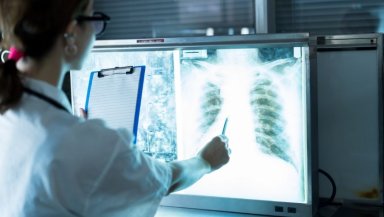
When a CT scan detects a lung nodule, doctors must determine what caused it. Lung nodules are small spots that appear in lung tissue and are commonly found during chest imaging.
Many lung nodules are harmless and develop due to previous infections, inflammation, or scar tissue in the lungs. However, some nodules may represent early lung cancer.
Because imaging tests alone cannot always determine the cause of a lung nodule, doctors may recommend a biopsy. A biopsy involves collecting a small sample of tissue from the nodule so that it can be examined under a microscope.
Navigational bronchoscopy helps doctors reach nodules that are located deep within the lungs and may be difficult to access using traditional techniques.
Understanding the Technology Behind Navigation Bronchoscopy
Navigation bronchoscopy combines bronchoscopy with computer-based navigation technology.
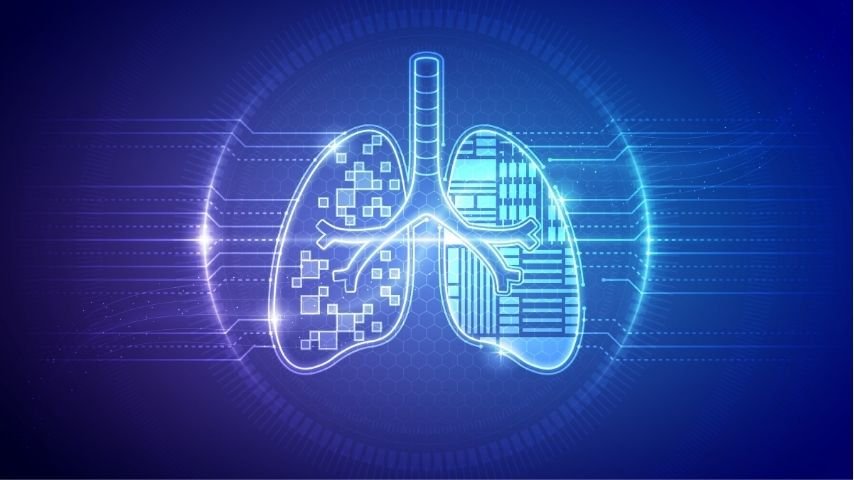
Doctors begin by using CT scan images of the lungs to create a detailed three-dimensional map of the airway system. This virtual map shows the branching airways and the exact location of the lung nodule.
Using this map, doctors can plan the pathway that the bronchoscope will follow during the procedure.
The navigation system tracks the position of the bronchoscope as it moves through the airways and compares it with the CT-based lung map.
This guidance works in a similar way to a GPS navigation system that helps drivers follow a route to a specific destination.
Preparing for the Procedure
Before the procedure, patients receive instructions from their healthcare team about how to prepare.
Doctors may ask patients to avoid eating or drinking for several hours before the bronchoscopy. This helps reduce the risk of complications during sedation.
Certain medications, particularly blood thinners, may need to be temporarily adjusted before the procedure. Doctors carefully review the patient’s medical history and medications beforehand.
Patients are encouraged to discuss navigation bronchoscopy risks or questions with their doctor so that they understand what will happen during the procedure.
Step 1: Arrival at the Bronchoscopy Suite
Navigation bronchoscopy is usually performed in a specialized bronchoscopy suite within a hospital.
When patients arrive, medical staff guide them through the preparation process. Patients change into hospital gowns and are positioned comfortably on a procedure table.
Monitoring equipment is connected to track important vital signs such as heart rate, blood pressure, and oxygen levels during the procedure.
An intravenous line may be placed in the patient’s arm so medications can be administered if necessary.
Step 2: Sedation and Airway Preparation
Most navigation bronchoscopy procedures are performed with sedation to help the patient relax and remain comfortable.
The sedation may make the patient feel drowsy or lightly asleep during the procedure.
Doctors also apply a local anesthetic to numb the throat. This helps reduce coughing and discomfort when the bronchoscope is inserted.
These measures ensure that the procedure is as comfortable as possible for the patient.
Step 3: Inserting the Bronchoscope
Once the patient is comfortable, the doctor gently inserts the bronchoscope through the mouth or nose.
The bronchoscope is a thin flexible tube equipped with a camera and light source. The camera sends images to a monitor, allowing the doctor to see the inside of the airway passages.
The bronchoscope is guided through the windpipe and into the branching airways of the lungs.
Because the bronchoscope follows the natural airway pathways, the procedure does not require surgical incisions.
Step 4: Using Navigation Technology to Reach the Lung Nodule
As the bronchoscope moves through the airway system, the navigation technology helps guide the doctor toward the lung nodule.
The system continuously compares the bronchoscope’s location with the CT-based lung map created before the procedure.
This guidance allows the doctor to follow the planned pathway through the airway branches. Reaching the exact location of the lung nodule is one of the most important parts of the procedure because high navigation bronchoscopy accuracy helps ensure that the biopsy sample is taken from the correct area.
Step 5: Collecting Tissue Samples
Once the bronchoscope reaches the area near the lung nodule, specialized instruments are passed through the bronchoscope.
These instruments may include tiny forceps, brushes, or needles designed to collect very small samples of tissue.
Doctors often collect several samples to increase the chances of obtaining enough tissue for laboratory analysis.
The collected samples are preserved and sent to a pathology laboratory where specialists examine them under a microscope.
Step 6: Completing the Procedure
After the tissue samples are collected, the bronchoscope is carefully removed from the airway.
The entire procedure usually takes between thirty minutes and one hour depending on the complexity of the case.
Patients are then moved to a recovery area where medical staff monitor them while the sedation wears off.
Most patients remain under observation for a short period before being discharged.
What Patients May Experience After the Procedure
After navigation bronchoscopy, patients may experience mild throat irritation, cough, or hoarseness. These symptoms usually improve within a day.
Because the throat is numbed during the procedure, patients may need to wait until the numbness wears off before eating or drinking.
Most patients are able to go home the same day and resume normal activities soon afterward.
Doctors provide instructions about recovery and inform patients about symptoms that should be reported.
When Biopsy Results Become Available
The tissue samples collected during the biopsy are examined in a pathology laboratory.
Pathologists study the cells under a microscope to determine whether the lung nodule is benign, infectious, inflammatory, or cancerous.
In some cases, such as during a robotic vs navigation bronchoscopy discussion, additional tests may be performed to identify genetic or molecular features of cancer cells. These results help doctors determine the most appropriate treatment plan. Results usually become available within several days.
Why Navigation Bronchoscopy Is Important
Navigation bronchoscopy has become an important tool in modern pulmonology because it allows doctors to reach lung nodules that were previously difficult to access.
This technology improves the ability to obtain tissue samples from small nodules located deep within the lungs.
By providing accurate diagnosis without surgery, navigation bronchoscopy helps doctors begin appropriate treatment sooner.
Conclusion
Navigation bronchoscopy is a minimally invasive procedure that helps doctors diagnose lung nodules located deep inside the lungs. By combining bronchoscopy with CT-based navigation technology, doctors can guide biopsy instruments through complex airway pathways and reach difficult areas safely.
Understanding what happens during the procedure can help patients feel more prepared and confident when undergoing this test.
If your doctor has recommended navigation bronchoscopy to evaluate a lung nodule, speaking with a pulmonologist can help you understand how the procedure works and what to expect.
References and Sources