How Accurate Is Navigation Bronchoscopy for Diagnosing Lung Nodules?
Medicine Made Simple
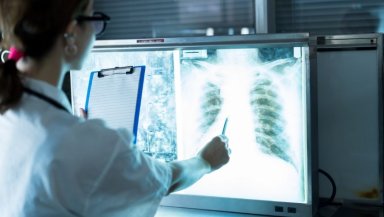
When a CT scan detects a lung nodule, doctors may recommend a biopsy to understand its cause.
Navigation bronchoscopy is an advanced procedure that helps doctors reach small lung nodules located deep in the lungs. It combines bronchoscopy with CT imaging and computer guidance to navigate the airways and collect tissue samples.
This technology improves the chances of reaching difficult lung nodules without surgery. The tissue sample is examined in a laboratory to determine whether the nodule is benign, infectious, inflammatory, or cancerous.
Understanding how accurate navigation bronchoscopy is can help patients feel more confident about the procedure.
Understanding What Lung Nodules Are
A lung nodule is a small round or oval spot that appears in the lungs during imaging tests such as CT scans. These nodules are very common and are often discovered incidentally when imaging is performed for other reasons.
Most lung nodules are harmless. They may occur due to previous infections, inflammation, or small areas of scar tissue in the lungs.
However, some nodules may represent early lung cancer. Because imaging alone cannot always determine the exact cause of a nodule, doctors sometimes recommend a biopsy.
A biopsy allows doctors to collect a small sample of tissue from the lung nodule so that it can be examined under a microscope.
This analysis helps determine whether the nodule is benign or requires further treatment.
Why Diagnosing Lung Nodules Can Be Challenging
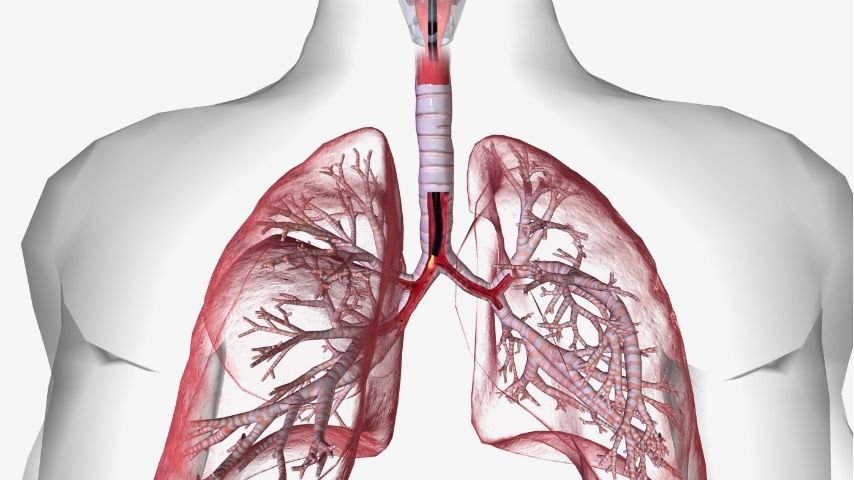
The lungs contain a network of airways that branch repeatedly as they travel deeper into the lungs.
Some lung nodules are located near the central airways, which makes them relatively easy to reach using traditional bronchoscopy.
However, many nodules develop in the outer regions of the lungs, called peripheral lung areas. These areas are connected to the central airways through narrow and complex airway branches.
Traditional bronchoscopy may not always reach these distant areas effectively. This makes it difficult to obtain tissue samples from certain nodules.
Because of this challenge, doctors use advanced technologies such as navigation bronchoscopy to reach these areas. In some cases, a clinician might compare navigation bronchoscopy vs ct guided biopsy to determine which method offers the safest path to a specific peripheral nodule.
What Navigation Bronchoscopy Is
Navigation bronchoscopy is an advanced diagnostic technique used to reach lung nodules located deep within the lungs.
The procedure combines bronchoscopy with computer navigation systems that guide the bronchoscope through the airway network.
Doctors begin the navigation bronchoscopy procedure by using CT scan images to create a detailed three-dimensional map of the lungs. This map shows the airway pathways and the exact location of the lung nodule.
During the procedure, the navigation system helps guide the bronchoscope through the airways along the planned route toward the nodule.
Once the bronchoscope reaches the area near the nodule, small biopsy instruments collect tissue samples.
Understanding Diagnostic Accuracy
When doctors discuss the accuracy of a diagnostic procedure, they are referring to its ability to correctly identify the cause of a medical condition.
In the case of lung nodules, diagnostic accuracy means the ability to obtain tissue that allows pathologists to determine whether the nodule is benign or cancerous.
Several factors influence the accuracy of a lung biopsy procedure, including the size of the nodule, its location in the lung, and the technology used during the procedure.
Navigation bronchoscopy has improved the ability of doctors to reach difficult lung nodules and collect useful tissue samples.
Factors That Affect the Accuracy of Navigation Bronchoscopy
The location of the lung nodule plays a major role in determining how easily it can be reached during bronchoscopy.
Nodules located closer to airway pathways are generally easier to access.
Very small nodules may be more difficult to biopsy because the instruments must be positioned very precisely to collect tissue.
The experience of the medical team also plays an important role. Pulmonologists who frequently perform advanced bronchoscopy procedures often develop greater skill in navigating the airway system.
Modern bronchoscopy technologies have also improved accuracy by providing better imaging and navigation tools.
Technologies That Improve Navigation Bronchoscopy Accuracy
Navigation bronchoscopy often uses electromagnetic navigation systems that track the position of the bronchoscope inside the lungs.
These systems compare the bronchoscope’s location with the CT-based lung map, helping the doctor follow the planned pathway.
Endobronchial ultrasound may also be used during the procedure to visualize structures near the airways.
In some hospitals, robotic bronchoscopy systems are used to provide greater stability and precision while navigating the airway branches.
These technologies help doctors position biopsy instruments more accurately and increase the chances of obtaining useful tissue samples.
What Happens to the Biopsy Sample
Once tissue samples are collected from the lung nodule, they are sent to a pathology laboratory.
Pathologists examine the tissue under a microscope to identify the type of cells present in the sample.
The analysis helps determine whether the nodule is benign, infectious, inflammatory, or cancerous.
In some cases, additional molecular tests may be performed on the tissue sample to identify genetic changes in cancer cells.
These tests can help guide treatment decisions if cancer is diagnosed.
Advantages of Navigation Bronchoscopy
Navigation bronchoscopy offers several advantages when evaluating lung nodules.
One major advantage is the ability to reach nodules located deep within the lungs without requiring surgical procedures.
The bronchoscope travels through the natural airway passages, which makes the procedure minimally invasive.
Navigation technology also improves the ability to guide biopsy instruments precisely toward the lung nodule.
The procedure may also allow doctors to examine the airways and collect samples from nearby lymph nodes if necessary.
Safety and Recovery
Navigation bronchoscopy is generally considered safe when performed by experienced pulmonologists.
Patients usually receive sedation during the procedure to ensure comfort.
The procedure typically takes between thirty and sixty minutes.
After the procedure, patients are monitored in a recovery area while the sedation wears off.
Most patients are able to return home the same day.
Temporary symptoms such as mild throat irritation, cough, or hoarseness may occur but usually improve within a short time.
Why Accurate Diagnosis Matters
Accurate diagnosis of lung nodules is essential because treatment decisions depend on the underlying cause.
If the nodule is benign, doctors may simply recommend monitoring it with follow-up imaging.
If the biopsy reveals infection or inflammation, appropriate medications can be prescribed.
If cancer is detected, early diagnosis allows doctors to begin treatment sooner.
Early-stage lung cancer is often more treatable than advanced disease.
Conclusion
Navigation bronchoscopy has become an important tool for diagnosing lung nodules, particularly those located deep within the lungs.
By combining bronchoscopy with CT-based navigation technology, doctors can reach difficult areas of the lung and obtain tissue samples without surgery.
The accuracy of navigation bronchoscopy depends on factors such as nodule size, location, and the expertise of the medical team.
For many patients, this minimally invasive procedure provides a reliable way to determine the cause of a lung nodule and guide appropriate treatment.
If your CT scan has detected a lung nodule and your doctor recommends further testing, discussing navigation bronchoscopy with a pulmonologist can help you understand whether this procedure is the right option for your diagnosis.
References and Sources