Navigational Bronchoscopy Explained: How Doctors Reach Small Lung Nodules Without Surgery
Medicine Made Simple
Navigational bronchoscopy is an advanced medical procedure used to reach and biopsy small lung nodules that are located deep inside the lungs. Lung nodules are small spots that appear on CT scans and may occur due to infections, inflammation, or early lung cancer. Traditional bronchoscopy sometimes cannot reach nodules in the outer areas of the lungs. Navigational bronchoscopy uses CT imaging, virtual lung maps, and GPS-like guidance to help doctors navigate the airways and reach these nodules. This minimally invasive technique allows doctors to collect tissue samples safely without the need for surgical biopsy.
Understanding What Lung Nodules Are
The lungs play a vital role in breathing and supplying oxygen to the body. They contain millions of tiny air sacs connected by branching airways that allow air to move in and out during breathing.
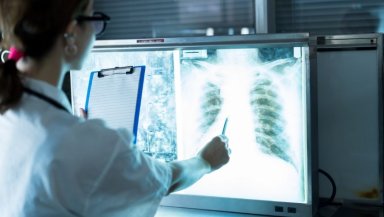
When doctors examine the lungs using imaging tests such as CT scans, they carefully look for abnormalities within the lung tissue. One of the most common findings during these scans is a lung nodule.
A lung nodule is a small round or oval spot that appears different from normal lung tissue. These nodules are usually small and typically measure less than three centimeters in diameter.
Many lung nodules are discovered incidentally. This means they are found during CT scans performed for other reasons such as chest pain, cough, injury, or lung cancer screening.
Although the word nodule may sound alarming, most lung nodules are not cancer. They often develop due to past infections, inflammation, or small areas of scar tissue in the lungs.
Why Doctors Sometimes Need a Biopsy for Lung Nodules
When a lung nodule is discovered, doctors study several characteristics on the CT scan to understand its possible cause. These characteristics include the size, shape, density, and growth pattern of the nodule.
In many cases, doctors recommend monitoring the nodule with follow-up CT scans to see whether it changes over time. Nodules that remain stable are often harmless.
However, when a nodule grows, has unusual features, or appears suspicious, doctors may recommend a biopsy. A biopsy involves collecting a small sample of tissue from the nodule so that it can be examined under a microscope.
This analysis helps doctors determine whether the nodule is benign, infectious, inflammatory, or cancerous. Performing a lung nodule navigation bronchoscopy allows for a targeted approach to these small lesions.
Why Small Lung Nodules Are Sometimes Difficult to Reach
The lungs contain an intricate network of airways that branch repeatedly as they travel deeper into the lungs. The larger airways near the center of the lungs are relatively easy to access during bronchoscopy.
However, as the airways branch into smaller passages, they become narrower and more complex. Many lung nodules develop in these outer areas of the lungs, known as peripheral lung regions.
These peripheral nodules may be far from the larger airways, making them difficult to reach with traditional bronchoscopy tools.
In the past, obtaining tissue samples from these nodules often required a surgical procedure or a needle-based approach. When evaluating navigation bronchoscopy vs ct guided biopsy, doctors look at the nodule's location to see if the internal airway route is feasible.
Navigational bronchoscopy was developed to provide a minimally invasive way to reach these difficult areas through the airway system.
What Navigational Bronchoscopy Is
Navigational bronchoscopy is an advanced technology that helps doctors reach lung nodules located deep inside the lungs.
The procedure combines bronchoscopy with advanced computer navigation systems. Doctors use CT scan data to create a detailed three-dimensional map of the patient’s lungs.
This map shows the branching airway system and the precise location of the lung nodule. Using this information, doctors can plan the pathway that the bronchoscope will follow during the procedure.
The navigation system works in a way that is similar to a GPS system. Just as GPS helps guide drivers along roads, the navigation system helps guide the bronchoscope through the airway network.
How Navigational Bronchoscopy Works
Before the procedure begins, doctors analyze the patient’s CT scan and generate a virtual map of the lungs using specialized software.
This map shows the airway pathways and the exact location of the lung nodule. Doctors plan the most effective route to reach the nodule through the airways.
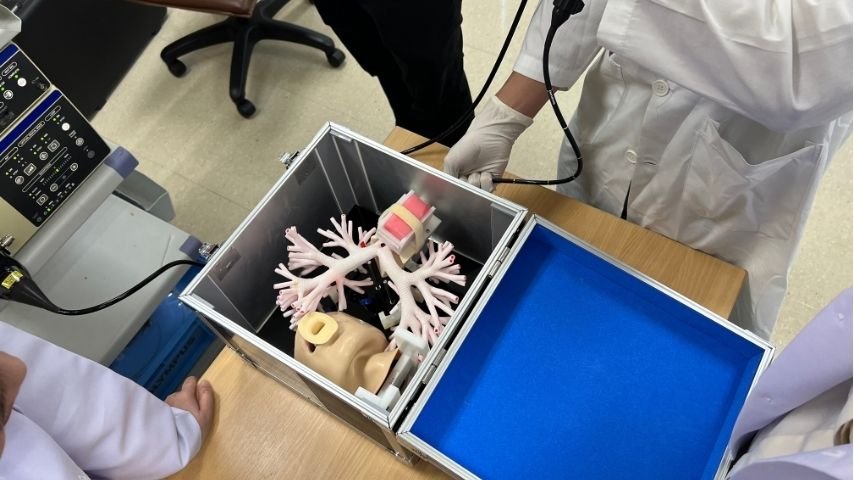
During the procedure, a thin flexible bronchoscope is inserted through the mouth or nose and guided into the lungs.
The navigation system tracks the position of the bronchoscope and compares it with the CT-based lung map. This guidance helps the doctor move the bronchoscope along the planned pathway.
Once the bronchoscope reaches the area near the lung nodule, small biopsy instruments are used to collect tissue samples.
These samples are then sent to a pathology laboratory where specialists examine them under a microscope.
Advantages of Navigational Bronchoscopy
Navigational bronchoscopy offers several important advantages compared with older diagnostic methods.
One of the main advantages is the ability to reach lung nodules located deep within the lungs. This allows doctors to obtain biopsy samples without requiring surgical procedures.
The procedure is minimally invasive because it uses the natural airway passages rather than surgical incisions.
Another advantage is improved diagnostic accuracy. Navigation technology helps doctors guide biopsy instruments more precisely to the location of the lung nodule.
The procedure also allows doctors to evaluate multiple nodules during the same bronchoscopy session if necessary.
What Patients Experience During the Procedure
Navigational bronchoscopy is usually performed in a specialized bronchoscopy suite within a hospital.
Patients are connected to monitoring equipment that tracks vital signs such as heart rate, oxygen levels, and blood pressure.
Sedation is commonly used to help patients relax and remain comfortable during the procedure. Local anesthetic is also applied to numb the throat.
The bronchoscope is gently inserted through the mouth or nose and guided through the airway system. The navigation system helps guide the bronchoscope toward the lung nodule.
The procedure typically takes between thirty and sixty minutes.
Recovery After Navigational Bronchoscopy
After the procedure is completed, patients are moved to a recovery area where medical staff monitor them while the sedation wears off.
Most patients are able to go home the same day.
Temporary symptoms such as mild throat irritation, cough, or hoarseness may occur but usually improve within a day.
Doctors provide instructions about eating, drinking, and returning to normal activities.
Biopsy results usually take several days because the tissue samples must be carefully examined in a pathology laboratory.
Why Advanced Pulmonology Centers Offer Navigational Bronchoscopy
Navigational bronchoscopy requires specialized equipment and trained specialists. For this reason, it is typically available in hospitals with dedicated interventional pulmonology programs.
These centers often have teams of specialists including pulmonologists, radiologists, pathologists, and thoracic surgeons who work together to diagnose lung diseases.
The availability of advanced technology allows these centers to evaluate complex lung nodules more accurately and reduce the need for surgical procedures.
Patients with difficult-to-reach lung nodules may benefit from evaluation at hospitals that offer advanced bronchoscopy techniques.
Conclusion
Navigational bronchoscopy is an important advancement in lung nodule diagnosis. By combining bronchoscopy with advanced CT imaging and computer navigation systems, doctors can reach small lung nodules located deep inside the lungs.
This minimally invasive procedure allows doctors to collect tissue samples safely without the need for surgery. The technology improves diagnostic accuracy and helps identify lung diseases at an earlier stage.
If a CT scan has detected a lung nodule and your doctor recommends further testing, discussing navigational bronchoscopy with a pulmonologist can help determine whether this advanced diagnostic procedure is the best option for you.
References and Sources