CT Scan Found a Lung Nodule Deep in the Lung? Why Doctors Use Navigation Bronchoscopy
Medicine Made Simple
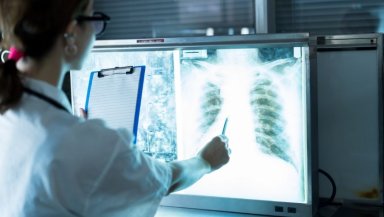
A CT scan can sometimes detect a small spot in the lung called a lung nodule. Many lung nodules are harmless and may occur due to past infections, inflammation, or scar tissue. However, when a nodule is located deep inside the lung, it can be difficult to reach for testing. Doctors may recommend navigational bronchoscopy, an advanced procedure that uses CT imaging and GPS-like guidance to reach these deep nodules through the natural airway passages.
This minimally invasive technique allows doctors to collect tissue samples safely and accurately to determine whether the nodule is benign, infectious, or cancerous.
Understanding What a Lung Nodule Is
The lungs are complex organs responsible for breathing and supplying oxygen to the body. They are made up of delicate airways and tiny air sacs that allow oxygen to pass into the bloodstream.
When doctors perform imaging tests such as CT scans of the chest, they carefully examine the lung tissue to identify any abnormalities. One common finding is a lung nodule.
A lung nodule is a small round or oval spot that appears different from the surrounding lung tissue. These nodules are usually small and often measure less than three centimeters in size.
Lung nodules are frequently discovered incidentally during scans performed for other medical reasons. For example, a patient may undergo a CT scan because of persistent cough, chest discomfort, injury, or as part of a lung cancer screening program.
Although hearing the term lung nodule may cause concern, most nodules are not cancer. Many develop as a result of past infections or inflammation.
Why Doctors Evaluate Lung Nodules Carefully
Even though many lung nodules are benign, some may represent early lung cancer or other lung diseases. Because treatment depends on the exact cause, doctors carefully evaluate each nodule.
Radiologists analyze several characteristics on the CT scan, including the size of the nodule, its shape, its density, and whether it has smooth or irregular edges.
Doctors also consider the patient’s medical history. Factors such as age, smoking history, exposure to environmental toxins, and family history of lung cancer may influence the level of concern.
In many cases, small nodules are simply monitored with follow-up CT scans to see whether they change over time. Nodules that remain stable are often benign.
However, when a nodule grows or appears suspicious, doctors may recommend a biopsy to obtain tissue for further examination. When deciding on a method, specialists often compare navigation bronchoscopy vs ct guided biopsy to choose the safest route based on the nodule's specific location.
Why Some Lung Nodules Are Harder to Reach
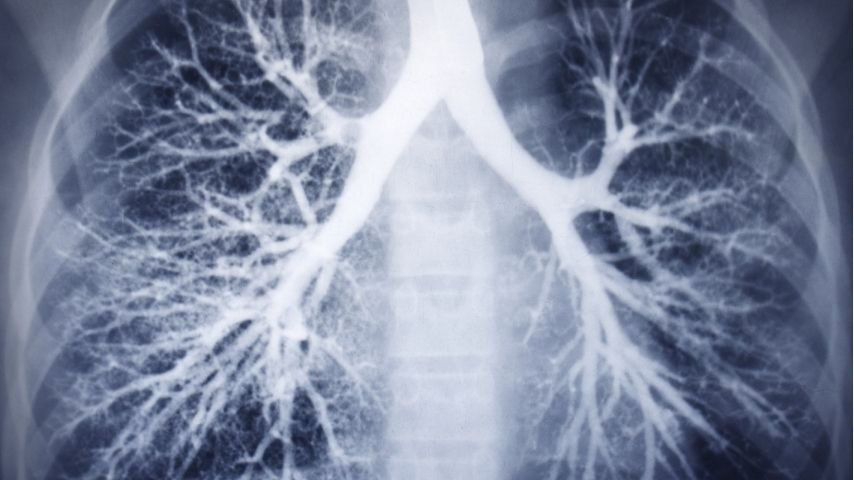
The lungs contain a complex network of branching airways that extend from the windpipe into smaller and smaller passages. These airways become narrower as they travel deeper into the lungs.
Some lung nodules are located near the larger airways. These nodules can usually be reached using traditional bronchoscopy.
However, many nodules develop in the outer regions of the lungs, known as the peripheral lung areas. These areas are farther away from the main airways and may be difficult to reach using standard bronchoscopy tools.
Because these nodules are located deep within the lung tissue, obtaining a biopsy sample can be challenging. In the past, some patients required more invasive procedures such as surgical biopsy.
To address this challenge, doctors developed navigation bronchoscopy technology.
What Navigation Bronchoscopy Is
Navigation bronchoscopy is an advanced medical technique designed to help doctors reach lung nodules that are located deep inside the lungs.
This technology combines bronchoscopy with advanced computer guidance systems. Doctors use CT scan images to create a detailed three-dimensional map of the patient’s lungs.
The map shows the branching airway pathways and the exact location of the lung nodule. Doctors use this map to plan the best pathway to reach the target area.
During the procedure, navigation technology helps guide the bronchoscope through the airway system in a way that is similar to how GPS systems guide drivers on roads.
This approach allows doctors to reach lung nodules that were previously difficult or impossible to access using traditional bronchoscopy.
How Navigation Bronchoscopy Works
The process begins before the procedure itself. Doctors review the patient’s CT scan and use specialized software to create a virtual map of the lungs.
This virtual map displays the airways in three dimensions and identifies the location of the lung nodule. Doctors then plan the route that the bronchoscope will follow during the procedure.
During navigation bronchoscopy, a thin flexible bronchoscope is inserted through the mouth or nose and guided into the lungs.
The navigation system tracks the position of the bronchoscope and compares it with the CT-based lung map. This helps the doctor follow the planned pathway through the airways. Once the bronchoscope reaches the area near the lung nodule, specialized biopsy tools are used to collect tissue samples. This targeted approach is designed to optimize navigation bronchoscopy accuracy while minimizing the need for more invasive surgery.
Why Navigation Bronchoscopy Is Helpful for Deep Lung Nodules
One of the main advantages of navigation bronchoscopy is its ability to reach nodules located in peripheral areas of the lungs.
These nodules may represent early lung cancer. Because early cancers are often small and located in difficult-to-reach areas, accurate biopsy is essential.
Navigation bronchoscopy improves the chances of obtaining tissue samples without requiring surgical procedures.
The procedure also allows doctors to reach multiple areas of the lung during the same session if needed.
What Happens During the Procedure
Navigation bronchoscopy is usually performed in a hospital bronchoscopy suite.
Patients are connected to monitoring equipment that tracks oxygen levels, heart rate, and blood pressure during the procedure.
Sedation is typically given to help the patient relax and remain comfortable. Local anesthetic is also used to numb the throat.
The bronchoscope is inserted through the mouth or nose and guided through the airways. The navigation system helps the doctor follow the planned route toward the lung nodule.
Once the nodule is reached, biopsy instruments collect small tissue samples.
The entire procedure usually takes between thirty and sixty minutes.
What Patients Can Expect After the Procedure
After the bronchoscopy is completed, the patient is moved to a recovery area where medical staff monitor them while the sedation wears off.
Most patients are able to go home the same day.
Temporary symptoms such as mild throat irritation, cough, or hoarseness may occur for a short period after the procedure.
Doctors usually provide instructions about eating, drinking, and returning to normal activities.
Biopsy results may take several days because the tissue samples need to be carefully analyzed in the laboratory.
Safety of Navigation Bronchoscopy
Navigation bronchoscopy is considered a safe and minimally invasive procedure.
Because the bronchoscope travels through the natural airway passages, the procedure avoids surgical incisions.
Compared with some other biopsy methods, the risk of complications such as lung collapse may be lower.
Minor side effects such as cough, mild bleeding, or throat irritation may occur but usually resolve quickly.
Advances in bronchoscopy technology continue to improve both safety and diagnostic accuracy.
Conclusion
Discovering a lung nodule deep in the lung during a CT scan can be concerning, but advanced technologies such as navigation bronchoscopy now allow doctors to evaluate these nodules more effectively.
By combining CT imaging with GPS-like navigation systems, doctors can guide the bronchoscope through the airway network to reach difficult areas of the lung. This minimally invasive procedure allows tissue samples to be collected safely and accurately.
If your CT scan has detected a lung nodule and your doctor recommends further testing, discussing navigation bronchoscopy with a pulmonologist can help determine whether this advanced procedure is the best option for obtaining a clear diagnosis.
References and Sources