Robotic Bronchoscopy vs Navigation Bronchoscopy: What’s the Difference?
Medicine Made Simple
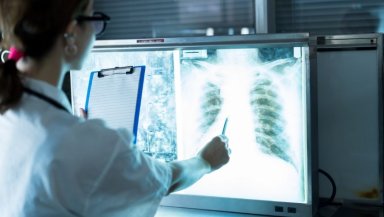
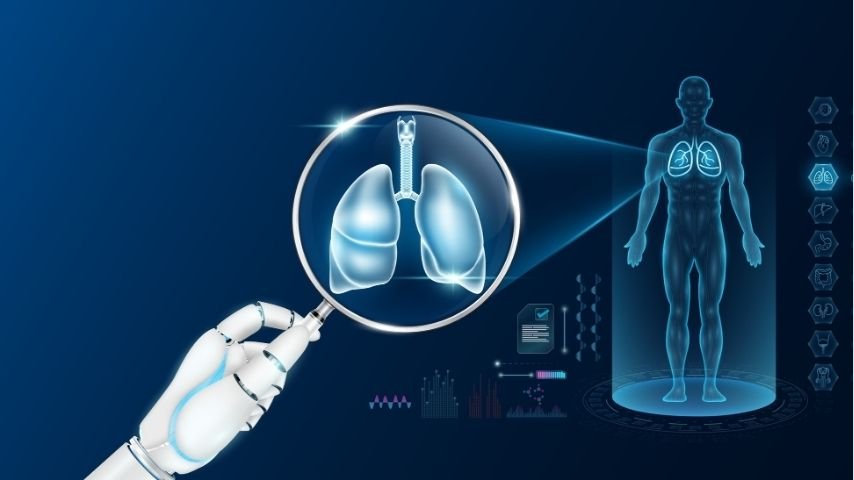
When a CT scan detects a lung nodule, doctors may recommend a biopsy to determine its cause. Two advanced technologies used to reach difficult lung nodules are navigation bronchoscopy and robotic bronchoscopy. Both procedures help doctors guide a bronchoscope through the airway system to collect tissue samples from lung nodules. Navigation bronchoscopy uses CT-based maps and electromagnetic guidance, while robotic bronchoscopy uses robotic assistance for improved precision and stability. These minimally invasive procedures allow doctors to diagnose lung conditions without surgery and play an important role in the early detection of lung diseases including lung cancer.
Understanding Why Lung Nodules Need Accurate Diagnosis
A lung nodule is a small round or oval spot that appears in the lungs during imaging tests such as CT scans. These nodules are commonly detected when patients undergo scans for symptoms like cough, chest discomfort, or during routine lung cancer screening.
Many lung nodules are harmless and may develop due to infections, inflammation, or scar tissue in the lungs. However, some nodules may represent early lung cancer.
Because imaging tests cannot always determine the exact cause of a nodule, doctors may recommend a biopsy. A biopsy allows doctors to collect a small tissue sample from the nodule and examine it under a microscope.
Accurate diagnosis helps doctors decide whether the nodule requires treatment, monitoring, or further investigation.
Why Reaching Lung Nodules Can Be Challenging
The lungs contain a complex network of airways that branch repeatedly as they travel deeper into the lung tissue.
Some lung nodules are located near the central airways and are relatively easy to reach using traditional bronchoscopy.
However, many nodules develop in the peripheral areas of the lungs. These regions are located farther from the central airways and are connected by smaller and more delicate airway branches.
Traditional bronchoscopy may have difficulty reaching these distant areas.
To address this challenge, advanced bronchoscopy technologies such as navigational bronchoscopy and robotic bronchoscopy were developed.
What Navigation Bronchoscopy Is
Navigation bronchoscopy is an advanced diagnostic procedure that helps doctors reach lung nodules located deep inside the lungs.
The procedure combines bronchoscopy with electromagnetic navigation technology.
Doctors use CT scan images to create a three-dimensional map of the patient’s lungs. This map shows the airway pathways and the exact location of the lung nodule.
During the procedure, the navigation system tracks the position of the bronchoscope and compares it with the CT-based lung map.
This guidance helps doctors follow the planned pathway through the airways toward the lung nodule.
Once the bronchoscope reaches the area near the nodule, biopsy instruments are used to collect tissue samples.
What Robotic Bronchoscopy Is
Robotic bronchoscopy is a newer advancement in bronchoscopy technology that provides enhanced precision when navigating the airway system.
In robotic bronchoscopy, the bronchoscope is connected to a robotic platform that allows the doctor to control the instrument with greater stability and accuracy.
The system also uses CT scan data to create a virtual map of the lungs.
Using robotic assistance, the bronchoscope can move through complex airway branches with improved control.
This technology helps doctors reach smaller nodules that may be difficult to access using conventional bronchoscopy techniques.
Once the bronchoscope reaches the target area, biopsy tools are used to collect tissue samples.
Key Differences Between the Two Technologies
Although both procedures aim to reach lung nodules and collect tissue samples, they differ in the technology used to guide the bronchoscope.
Navigation bronchoscopy primarily relies on electromagnetic guidance systems that track the bronchoscope’s position relative to the CT-based lung map.
Robotic bronchoscopy adds robotic-assisted movement, which provides greater stability and precision when navigating narrow airway branches.
The robotic platform allows the doctor to make very precise movements while controlling the bronchoscope.
Both technologies improve the ability to reach difficult lung nodules compared with traditional bronchoscopy.
Accuracy and Diagnostic Yield
Diagnostic yield refers to the ability of a procedure to obtain tissue that leads to a clear diagnosis.
Navigation bronchoscopy significantly improved diagnostic yield for peripheral lung nodules compared with traditional bronchoscopy.
Robotic bronchoscopy may offer additional improvements in accuracy by allowing more precise control of the bronchoscope and biopsy tools.
The actual navigation bronchoscopy accuracy of each method can depend on several factors including the size of the nodule, its location, and the experience of the medical team. Both technologies have become valuable tools in modern pulmonology for diagnosing lung nodules.
Safety of Both Procedures
Navigation bronchoscopy and robotic bronchoscopy are both considered minimally invasive procedures.
Because the bronchoscope travels through the natural airway passages, these procedures avoid surgical incisions and generally allow faster recovery.
Patients usually receive sedation during the procedure to remain comfortable.
Temporary symptoms such as throat irritation, cough, or hoarseness may occur afterward but usually resolve quickly.
While the navigation bronchoscopy risks of serious complications are generally low, they are minimized when these procedures are performed by experienced specialists.
Recovery After Bronchoscopy Procedures
Recovery after either navigation bronchoscopy or robotic bronchoscopy is usually quick.
Patients are monitored in a recovery area while the sedation wears off.
Most patients are able to return home the same day.
Doctors usually recommend waiting until the throat numbness wears off before eating or drinking.
Normal daily activities can often be resumed within a day, although patients may be advised to avoid strenuous activity temporarily.
Why Advanced Hospitals Offer These Technologies
Navigation bronchoscopy and robotic bronchoscopy require specialized equipment and trained medical teams.
For this reason, these procedures are typically performed in hospitals with advanced interventional pulmonology programs.
These centers often have multidisciplinary teams that include pulmonologists, radiologists, pathologists, and thoracic surgeons.
Working together, these specialists evaluate lung nodules and determine the most appropriate diagnostic and treatment strategies.
Hospitals with advanced bronchoscopy technologies can provide more options for evaluating complex lung nodules.
Conclusion
Navigation bronchoscopy and robotic bronchoscopy are advanced diagnostic technologies that help doctors reach lung nodules located deep within the lungs.
Navigation bronchoscopy uses CT-based maps and electromagnetic guidance to navigate the airway system. Robotic bronchoscopy adds robotic assistance that improves precision and stability during the procedure.
Both techniques are minimally invasive and allow doctors to collect tissue samples without surgery.
If a CT scan has detected a lung nodule and your doctor recommends further testing, discussing these advanced bronchoscopy options with a pulmonologist can help determine the most appropriate diagnostic approach for your condition.
References and Sources