Tips for Preparing Physically and Mentally for Medical Thoracoscopy With Adhesiolysis
Medicine Made Simple Summary
Preparing for medical thoracoscopy with adhesiolysis can feel stressful if you do not know what to expect. This procedure helps doctors examine the lung lining, drain trapped fluid, and release scar tissue that restricts lung movement. Good preparation before the procedure improves safety, comfort, and recovery. Physical preparation includes simple medical checks and following fasting instructions. Mental preparation includes understanding the procedure and managing fear of the unknown. This guide explains how patients and families can prepare in simple and practical ways.
Being told you need a camera-based chest procedure can bring many emotions. Fear of pain. Fear of the unknown. Fear of results. These feelings are normal. Most patients have never heard of medical thoracoscopy before their doctor mentions it. The unfamiliar name makes the procedure feel more frightening than it really is.
Preparation is not only about medical instructions. It is also about emotional readiness. When patients understand what will happen and what they need to do beforehand, confidence replaces fear. Families also feel more prepared to provide support.
Why Preparation Matters Before Thoracoscopy
Medical thoracoscopy with adhesiolysis is a planned procedure. It is not rushed emergency surgery. This gives time to prepare the body and mind.
Physical preparation helps reduce risks such as bleeding, infection, and breathing problems. Mental preparation helps reduce anxiety, improve cooperation during recovery, and make the overall experience smoother.
Patients who prepare well usually recover faster and feel more in control. Understanding adhesiolysis via medical thoracoscopy helps patients see why precise preparation matters.
Understanding What Will Happen
The first step in mental preparation is understanding the procedure in simple terms.
During medical thoracoscopy, a doctor inserts a small camera into the space around the lung through a tiny incision between the ribs. The doctor examines the lung lining, drains fluid, takes biopsies if needed, and releases scar tissue bands called adhesions. A chest tube is placed afterward to help the lung expand. Knowing the pleural adhesions effects on lungs helps patients understand why this step is important.
Knowing that the procedure is done under local anesthesia with sedation helps many patients relax. Most remain sleepy and comfortable. Many remember little of the procedure afterward.
When the process is clear, the imagination stops creating frightening scenarios.
Medical Tests Before the Procedure
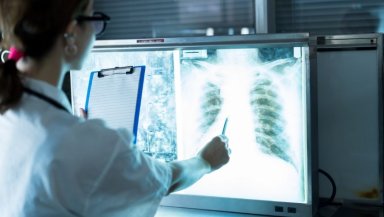
Before thoracoscopy, doctors perform routine tests to ensure safety. These may include blood tests to check blood count and clotting. Chest scans are reviewed again to plan the procedure. Heart and lung function may be assessed if needed.
Patients should bring previous medical reports to appointments. This helps doctors plan accurately and avoid repeating tests. Understanding recurrent pleural effusion causes and treatment may be part of this planning.
Discussing Current Medications
Many patients take daily medicines for blood pressure, diabetes, heart conditions, or other illnesses. Some medicines, especially blood thinners, may need adjustment before the procedure.
Patients should inform doctors about all medications, supplements, and herbal remedies. Doctors will advise which medicines to continue and which to stop temporarily. Following these instructions is important for safety.
Fasting Before the Procedure
Because sedation is used, patients are usually asked not to eat or drink for several hours before the procedure. This reduces the risk of nausea during sedation.
Doctors give clear fasting instructions. Following them exactly helps avoid procedure delays.
Preparing the Body for Better Recovery
Stopping smoking before the procedure is one of the best ways to improve lung healing. Even a few days of not smoking improves breathing recovery afterward.
Light walking and staying active before the procedure keeps the body stronger for recovery. Eating balanced meals helps healing after the procedure.
These small steps make a noticeable difference.
What to Bring to the Hospital
On the day of admission, patients should carry essential documents, medical reports, and identification. Comfortable clothing and basic toiletries are helpful for the short hospital stay.
Valuables should be left at home. Keeping belongings simple reduces stress for families.
Preparing Mentally for the Procedure
Fear often comes from uncertainty. Talking openly with the doctor helps. Patients should ask how long the procedure will take, what they will feel, and how pain is managed afterward.
Some patients find it helpful to speak to others who have undergone similar procedures. Many hospitals can connect patients with support groups or counselors.
Deep breathing, listening to calming music, or practicing relaxation exercises before the procedure can also help reduce anxiety.
Preparing Family Members for Their Role
Family support is important. Families should know that the patient will be sleepy after the procedure and will have a chest tube temporarily.
They can help by encouraging breathing exercises, short walks, and positive reassurance. Knowing their role in advance helps families feel useful rather than helpless.
What to Expect Immediately After the Procedure
After thoracoscopy, patients wake up in a recovery area. They may feel drowsy. A chest tube will be in place. Mild chest soreness is normal.
Knowing this beforehand prevents shock when seeing the chest tube. Doctors and nurses explain everything again after the procedure.
Handling Anxiety About Test Results
If biopsies are taken, results take a few days. Many patients feel anxious during this waiting period.
It helps to remember that waiting is part of building the right treatment plan. Staying connected with family, light activities, and speaking with counselors can ease this period.
Common Worries and Simple Reassurance
Many patients worry they will feel pain during the procedure. With local anesthesia and sedation, discomfort is minimal.
Some worry they will not be able to breathe properly. Oxygen is monitored continuously. Doctors are present throughout.
Others fear something will go wrong. Complications are uncommon, and medical teams are trained to handle them quickly.
Understanding these facts replaces fear with reassurance.
How Good Preparation Improves Recovery
Patients who follow instructions, stop smoking, manage medications correctly, and stay mentally calm usually recover faster. They perform breathing exercises better. They walk sooner. They need fewer pain medicines.
Preparation is a powerful part of healing.
Conclusion
If you or a loved one is scheduled for medical thoracoscopy with adhesiolysis, take time to prepare both physically and mentally. Ask your doctor to walk you through the procedure step by step. Clear understanding leads to calm confidence and smoother recovery. Book a pre-procedure counseling session with your thoracic or interventional pulmonology team to discuss preparation and recovery guidance.
References and Sources
American Thoracic Society – Patient Information on Medical Thoracoscopy
British Thoracic Society – Pleural Procedure Guidance
European Respiratory Society – Interventional Pulmonology Resources
National Cancer Institute – Preparing for Medical Procedures