What Is Transbronchial Needle Aspiration (TBNA)? A Simple Explanation for Patients and Families
Medicine Made Simple Summary
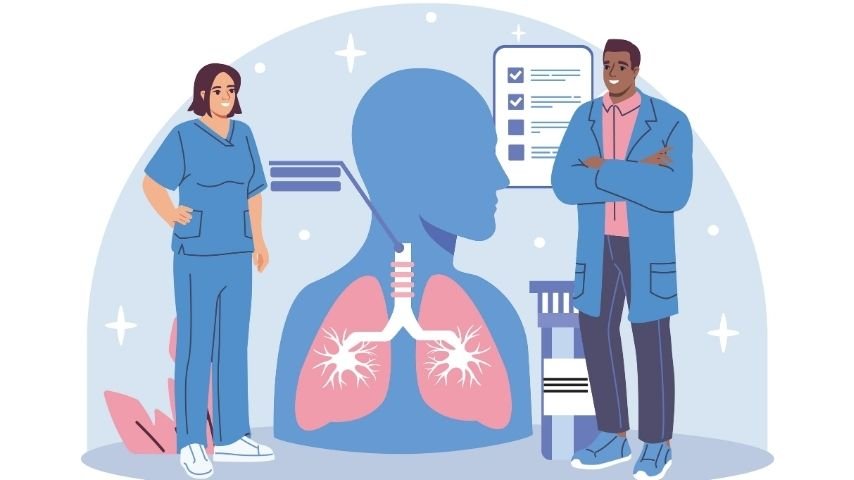
Transbronchial Needle Aspiration, commonly called TBNA, is a medical test used to collect small tissue samples from lymph nodes or masses inside the chest. It helps doctors find the cause of enlarged lymph nodes, lung infections, tuberculosis, sarcoidosis, or lung cancer. The procedure is done using a thin flexible tube passed through the mouth into the airways. A tiny needle is then used to collect samples as part of the EBUS TBNA Procedure. TBNA is minimally invasive, safe, and usually completed in less than an hour. The results guide further treatment decisions.
Why Do Doctors Need Tests Like TBNA?
Breathing is something we do without thinking. But when something goes wrong inside the lungs or chest, finding the exact cause is not always easy. X-rays and CT scans can show abnormal spots, swollen lymph nodes, or masses inside the chest. However, scans cannot always tell whether the problem is infection, inflammation, or cancer.
To make the right treatment plan, doctors need actual tissue or cell samples. Examining these samples under a microscope gives clear answers. This is where biopsy procedures come in. TBNA is one such biopsy method designed to safely reach areas deep inside the chest without open surgery, often discussed when comparing TBNA vs lung biopsy options.
First, What Are Lymph Nodes and Why Do They Matter?
Inside the chest, between the lungs, there is a space called the mediastinum. This area contains the heart, major blood vessels, and groups of lymph nodes. Lymph nodes act like filters for the immune system. When there is infection, inflammation, or cancer, these nodes can become enlarged.
Common reasons for enlarged chest lymph nodes include tuberculosis, sarcoidosis, fungal infections, lymphoma, and lung cancer. Knowing exactly which condition is present is crucial because treatment for each is completely different. TBNA allows doctors to collect samples from these lymph nodes without making any surgical cuts.
What Exactly Is Transbronchial Needle Aspiration?
Transbronchial means “through the airways.” Needle aspiration means using a fine needle to collect cells. TBNA is therefore a procedure where a doctor passes a thin flexible tube called a bronchoscope through the mouth or nose into the breathing tubes. A very fine needle is then passed through the bronchoscope to gently collect cells from lymph nodes or masses located next to the airways.
These collected cells are sent to a laboratory for detailed testing. This includes microscopic examination, infection testing, and sometimes molecular tests for cancer markers that help with TBNA Results Interpretation.
TBNA is commonly performed by a pulmonologist or respiratory specialist in a hospital endoscopy suite.
How Is TBNA Different From a Regular Bronchoscopy?
A bronchoscopy allows doctors to look inside the airways. It is useful for checking blockages, infections, or bleeding. However, bronchoscopy alone cannot reach lymph nodes located outside the airway walls.
TBNA adds a needle component to bronchoscopy. This allows sampling of structures just outside the airway walls, especially lymph nodes. This combination makes TBNA a powerful diagnostic tool for chest diseases.
The Rise of EBUS-TBNA: A Smarter Version of TBNA
Modern TBNA is often done using Endobronchial Ultrasound guidance, known as EBUS-TBNA.
With EBUS, the bronchoscope has an ultrasound probe at its tip. This lets doctors see lymph nodes and blood vessels in real time while performing the biopsy. It improves accuracy and safety because the doctor can precisely guide the needle to the right spot and avoid blood vessels.
Today, EBUS-TBNA is considered the gold standard test for sampling mediastinal lymph nodes.
Why Might a Doctor Recommend TBNA?
Doctors usually suggest TBNA when scans show enlarged lymph nodes or masses inside the chest. Some common reasons include:
- Suspected lung cancer to confirm diagnosis and stage the disease.
- Evaluation of tuberculosis when sputum tests are negative.
- Diagnosis of sarcoidosis or other inflammatory lung diseases.
- Checking for lymphoma.
- Finding the cause of unexplained chest lymph node enlargement.
TBNA helps avoid unnecessary surgeries by providing answers through a minimally invasive method.
What Happens Before the Procedure?
Before TBNA, your doctor will review scan reports and blood tests. You may be asked about allergies, medications, and medical history. Blood thinners may need to be stopped a few days before the procedure. You will be asked not to eat or drink for several hours beforehand.
Consent will be taken after explaining the procedure, benefits, and risks. Most patients are mildly sedated during TBNA to stay relaxed and comfortable.
What Happens During TBNA?
The procedure is done in a special bronchoscopy or endoscopy room. You will lie on a bed and be connected to monitors that track heart rate, blood pressure, and oxygen levels.
A local anesthetic spray numbs the throat. Sedation medicine is given through a vein to help you relax. The bronchoscope is gently passed through the mouth into the airways. If EBUS is used, the doctor first locates the lymph nodes using ultrasound. Then a very thin needle is passed through the bronchoscope to collect small samples.
Multiple samples may be taken to improve accuracy. The entire procedure usually takes 30 to 60 minutes.
Most patients do not feel pain, only mild throat discomfort or coughing.
What Happens After TBNA?
After the procedure, you will rest for a short time until the sedation wears off. You may have a mild sore throat or hoarseness for a day. Eating and drinking are usually allowed after a couple of hours.
Most patients go home the same day. Normal activities can usually resume the next day unless advised otherwise.
Lab results may take a few days to a week depending on the tests required.
Is TBNA Safe?
TBNA is considered very safe when performed by trained specialists. Because it does not involve surgical cuts, recovery is quick.
Minor side effects include sore throat, mild cough, or slight blood in sputum for a short time. Serious complications are rare. These may include bleeding, infection, or lung air leak, but occur in a very small percentage of cases.
Using EBUS guidance further reduces risks by helping doctors avoid blood vessels.
How Accurate Is TBNA?
TBNA, especially EBUS-TBNA, has high diagnostic accuracy. Studies show it correctly identifies many conditions affecting chest lymph nodes, including lung cancer, tuberculosis, and sarcoidosis.
In lung cancer, TBNA is also used for staging, meaning it helps determine how far the disease has spread. This information is essential for choosing surgery, chemotherapy, radiation, or targeted therapy.
Will TBNA Replace Surgery?
In many cases, TBNA avoids the need for surgical biopsy procedures such as mediastinoscopy. However, if TBNA results are unclear or samples are insufficient, additional procedures may still be needed. Your doctor will guide you based on results.
Common Questions Patients Ask
Will I be awake during TBNA?
You will be sleepy but comfortable. Most patients remember very little.
Will it hurt?
You may feel mild throat discomfort. Pain is uncommon.
Can I go home the same day?
Yes, most patients are discharged after a short observation period.
How soon will I get results?
Usually within three to seven days.
How TBNA Helps in Faster Treatment Planning
Getting the right diagnosis early prevents delays in treatment. TBNA helps doctors quickly confirm infections, inflammatory diseases, or cancer. This allows faster start of medications, anti-tuberculosis treatment, or cancer therapy. It also prevents unnecessary surgeries when not needed.
Emotional Side: Waiting for a Diagnosis
Waiting for biopsy results can be stressful. It is natural to feel anxious. Remember that TBNA is a step toward clarity and proper treatment. Discuss concerns with your doctor and ask questions. Understanding the process helps reduce fear.
When Should You Contact Your Doctor After TBNA?
Call your doctor if you develop high fever, severe chest pain, shortness of breath, or heavy bleeding after the procedure. These are rare but need immediate attention.
Conclusion
If you or a loved one has been advised to undergo TBNA or EBUS-TBNA, speak with a qualified pulmonologist to understand why it is recommended and how it fits into your care plan. Early and accurate diagnosis leads to better treatment outcomes. Do not hesitate to ask your doctor for a detailed explanation and discuss all your concerns before the procedure.
References and Sources
American Thoracic Society – Bronchoscopy and TBNA patient information
European Respiratory Society – EBUS-TBNA clinical guidance
National Cancer Institute – Lung cancer diagnosis and staging