TBNA vs Other Lung Biopsies: What’s the Difference?
Medicine Made Simple Summary
When doctors find a lump, mass, or swollen lymph node in the chest, they need a tissue sample to know the exact cause. This is called a biopsy. TBNA is one type of biopsy done through the airways using a thin needle as part of the EBUS TBNA Procedure. Other biopsy methods include CT-guided lung biopsy, bronchoscopy biopsy, and surgical mediastinoscopy. Each test reaches different areas and is chosen based on where the problem is located. Understanding these differences helps patients feel more confident about why a specific test is recommended.
Hearing the word “biopsy” can feel worrying. Many patients and family members immediately think of surgery or severe pain. In reality, modern medicine offers several biopsy methods, many of which are minimally invasive and safe. When a scan shows something abnormal in the lungs or chest, a biopsy is often the only way to know whether the cause is infection, inflammation, or cancer.
However, not all biopsies are the same. TBNA is one option, but there are others. Each method is designed to reach a specific area inside the chest. Understanding how they differ can remove fear and confusion. This article explains TBNA and other lung biopsy procedures in simple language, so you know what to expect and why your doctor may choose one over another.
Why Is a Lung or Chest Biopsy Needed?
Scans like X-rays, CT scans, and PET scans are excellent at showing abnormal areas. They can reveal lung nodules, masses, or enlarged lymph nodes. But scans cannot always tell what these abnormalities are made of.
A shadow on a scan could be tuberculosis, pneumonia, sarcoidosis, a fungal infection, or cancer. The treatment for each condition is completely different. That is why doctors need a tissue or cell sample. A biopsy provides that sample. Once examined under a microscope, doctors get a definite diagnosis. This process later guides accurate TBNA Results Interpretation and treatment planning.
Understanding the Areas Inside the Chest
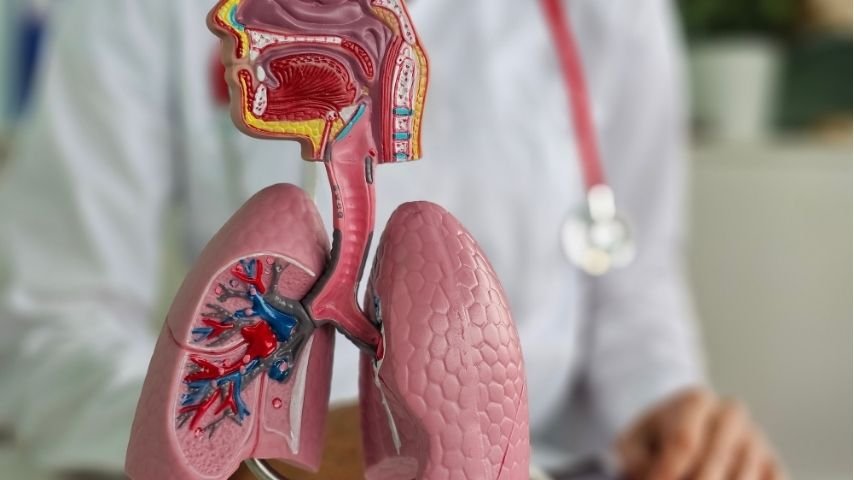
To understand why different biopsy methods exist, it helps to know that the chest has different zones. The lungs have airways inside them. Outside the airways are lung tissues. Between the two lungs lies a space called the mediastinum, which contains lymph nodes, the heart, and major blood vessels.
Some biopsy methods reach lung tissue. Some reach lymph nodes. Some reach both. TBNA is designed mainly for lymph nodes and structures close to the airways. Other biopsies are used when the abnormality lies deeper in lung tissue or requires surgical access.
What Is TBNA?
TBNA stands for Transbronchial Needle Aspiration. In this procedure, a flexible tube called a bronchoscope is passed through the mouth into the airways. A thin needle is then passed through the bronchoscope to collect cells from lymph nodes or masses lying next to the airway walls.
TBNA is usually done with sedation following proper TBNA Preparation. It does not require external cuts. Patients usually go home the same day. It is especially useful for diagnosing conditions that cause enlarged chest lymph nodes, such as lung cancer, tuberculosis, sarcoidosis, and lymphoma.
Modern TBNA is commonly performed using ultrasound guidance, called EBUS-TBNA. This allows the doctor to see lymph nodes in real time and take precise samples.
Bronchoscopy Biopsy: How Is It Different From TBNA?
A standard bronchoscopy biopsy is done using the same bronchoscope, but instead of using a needle to go outside the airway wall, small forceps are used to take tiny tissue pieces from inside the airways or nearby lung tissue.
This method is useful when the abnormality is visible inside the airway or located in lung tissue close to the airway openings. It is often used for suspected infections, inflammatory lung disease, or tumors growing into the airway.
TBNA differs because it is designed to sample structures outside the airway, especially lymph nodes. A bronchoscopy biopsy cannot reliably reach mediastinal lymph nodes, but TBNA can.
CT-Guided Lung Biopsy: When Is It Used?
A CT-guided biopsy is used when the abnormality lies deep inside the lung tissue, far from the airways. In this method, the patient lies in a CT scan machine. After numbing the skin, a doctor inserts a needle through the chest wall into the lung nodule while watching its position on CT images.
This method is commonly used for small lung nodules or masses located near the outer edges of the lung. It provides good tissue samples but involves passing a needle through the chest wall and lung tissue. Because of this, there is a slightly higher risk of air leak in the lung, called pneumothorax.
TBNA does not involve puncturing the chest wall. It approaches from inside the airway. This makes TBNA safer for sampling lymph nodes and central chest structures.
Mediastinoscopy: The Surgical Biopsy Option
Mediastinoscopy is a surgical procedure done under general anesthesia. A small cut is made at the base of the neck, and a rigid scope is inserted to reach lymph nodes in the mediastinum. Tissue samples are taken directly.
This method provides larger tissue samples and has been used for many years to stage lung cancer. However, it is more invasive than TBNA. It requires an operation theatre, general anesthesia, and a short hospital stay.
Today, EBUS-TBNA has replaced mediastinoscopy in many situations because it is less invasive and has similar diagnostic accuracy. Mediastinoscopy is now reserved for cases where TBNA results are unclear or when lymph nodes are in locations that TBNA cannot reach.
Surgical Lung Biopsy: The Last Step When Needed
In rare situations, when less invasive methods do not give a diagnosis, doctors may advise a surgical lung biopsy. This involves keyhole surgery or open surgery to remove a piece of lung tissue.
This method is used for complex interstitial lung diseases or unclear lung conditions that require larger tissue samples. It is more invasive and requires hospital admission. TBNA and other needle biops are always tried first when appropriate.
How Doctors Choose the Right Biopsy
Doctors do not randomly choose a biopsy method. They carefully study scan reports to see where the abnormality is located.
If the problem is in mediastinal or chest lymph nodes, TBNA or EBUS-TBNA is usually the first choice. If the abnormality is a lung nodule near the outer lung surface, CT-guided biopsy may be better. If the abnormality is inside the airway, bronchoscopy biopsy is useful. If all minimally invasive tests fail to give answers, surgical biopsy is considered.
The goal is always to get an accurate diagnosis with the least risk and discomfort to the patient.
Comparing TBNA With Other Biopsy Methods in Simple Terms
TBNA is minimally invasive and done through the airway. It is best for lymph nodes and central chest structures. Bronchoscopy biopsy is also minimally invasive but samples tissue inside the airway or nearby lung tissue. CT-guided biopsy goes through the chest wall and is best for peripheral lung nodules. Mediastinoscopy is a minor surgery used for deeper lymph nodes when needle biops are not enough. Surgical lung biopsy is the most invasive and used only when absolutely necessary.
Each method has a purpose. No single test is “better” than the others in all situations. The right test depends on where the abnormality is.
Safety and Recovery Differences
TBNA and bronchoscopy biopsy have quick recovery. Patients usually go home the same day. Mild sore throat and cough may occur briefly. Serious complications are rare.
CT-guided biopsy has a small risk of lung air leak. Some patients may need observation for a few hours or overnight if this occurs.
Mediastinoscopy and surgical biopsies require hospital admission and recovery time because they involve surgery and general anesthesia.
This is why doctors prefer TBNA or other minimally invasive tests whenever possible.
Accuracy and Reliability
EBUS-TBNA has high diagnostic accuracy for lymph node diseases. It is widely used for diagnosing and staging lung cancer. CT-guided biopsy has high accuracy for lung nodules. Bronchoscopy biopsy is accurate for visible airway lesions. Surgical biopsies provide the largest samples and are very accurate but reserved for special situations.
Often, doctors may combine more than one method to reach a final diagnosis.
Common Patient Concerns
Many patients worry about pain. TBNA, bronchoscopy, and CT-guided biopsy are done with anesthesia and sedation to keep discomfort minimal. Fear of results is also natural. However, a biopsy brings clarity and helps start the right treatment quickly.
Another concern is delay. TBNA usually provides results within a few days, faster than surgical biops that require longer recovery.
Why Understanding These Differences Matters
When a doctor recommends TBNA instead of another biopsy, it is because it offers the safest and most direct route to the abnormal area. Understanding this prevents unnecessary anxiety. Patients who understand their procedure are more comfortable and better prepared.
Asking your doctor why a specific biopsy is chosen is always a good idea. It helps you take an active role in your healthcare decisions.
Conclusion
If you or a family member has been advised to undergo TBNA or another lung biopsy, speak openly with your pulmonologist or treating doctor. Ask where the abnormality is located and why a particular biopsy method is recommended. Understanding the reason behind the choice can greatly reduce fear and build confidence in the treatment plan. Early and accurate diagnosis is the first step toward effective care.
References and Sources
American Thoracic Society – Patient information on bronchoscopy and lung biopsies
European Respiratory Society – Guidelines on EBUS-TBNA and mediastinal sampling
National Cancer Institute – Lung cancer diagnosis and staging methods