Who Needs a TBNA Procedure? Key Indications Explained
Medicine Made Simple Summary
Doctors recommend a Transbronchial Needle Aspiration (TBNA) when scans show enlarged lymph nodes or suspicious masses inside the chest. TBNA helps collect tiny tissue samples to find the exact cause. It is commonly used to diagnose lung cancer, tuberculosis, sarcoidosis, lymphoma, and unexplained chest lymph node enlargement. The test is done through the airways using a flexible tube and a fine needle, explaining what is TBNA procedure in simple terms, without any surgical cuts. TBNA provides clear answers that guide treatment decisions, often avoiding the need for more invasive surgery.
When a scan report mentions “enlarged lymph nodes” or a “suspicious mass,” it can create anxiety for patients and families. These words sound serious, and many people immediately fear the worst. However, it is important to understand that scans only show images. They do not always reveal the exact cause. Many different conditions can look similar on imaging.
This is where TBNA becomes valuable. It is a diagnostic test designed to collect cells from inside the chest safely and accurately. But not every patient needs TBNA. Doctors recommend it only when certain findings or symptoms suggest that a tissue diagnosis is necessary. This article explains in simple language who needs TBNA and why this test is often the next logical step after a scan.
The Role of Scans in Detecting Chest Problems
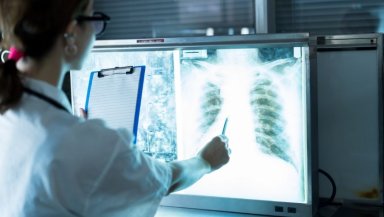
Most chest problems are first detected through imaging. A chest X-ray or CT scan can show lung nodules, masses, or enlarged lymph nodes. A PET scan can highlight areas with increased activity that may suggest infection, inflammation, or cancer.
However, scans cannot tell the exact nature of the problem. For example, a swollen lymph node may be caused by tuberculosis, sarcoidosis, a simple infection, or cancer. Each of these conditions requires completely different treatment. TBNA is recommended when doctors need tissue proof to move from suspicion to certainty as part of clearly defined TBNA procedure steps.
Understanding Chest Lymph Nodes
Lymph nodes are small bean-shaped structures that help the body fight infections. Inside the chest, groups of lymph nodes lie between the lungs and around major airways. When something abnormal happens in the lungs or chest, these nodes often enlarge.
Doctors pay close attention to these nodes on scans. If they appear larger than normal, irregular in shape, or show increased activity on PET scans, further investigation is required. TBNA is the preferred method to sample these lymph nodes because it reaches them safely through the airways, often discussed when comparing TBNA vs mediastinoscopy approaches.
The Most Common Reason: Suspected Lung Cancer
One of the most frequent reasons for TBNA is suspected lung cancer. When a lung mass or nodule is found on a scan, doctors also check if lymph nodes inside the chest are enlarged. This is important because cancer often spreads first to these lymph nodes.
TBNA helps in two ways. It can confirm whether the lymph nodes contain cancer cells, which helps in diagnosing lung cancer. It also helps in staging, which means determining how far the cancer has spread. Correct staging is essential because it decides whether surgery, chemotherapy, radiation, or targeted therapy is the best treatment. Without TBNA, doctors may have to rely on more invasive surgical tests to get this information.
TBNA in Suspected Tuberculosis
Tuberculosis remains common in many parts of the world. Sometimes TB affects the lungs in a typical way and is easily diagnosed with sputum tests. However, in some patients, tuberculosis mainly affects chest lymph nodes. In such cases, cough tests may be negative, but scans show enlarged mediastinal lymph nodes.
TBNA allows doctors to collect samples from these nodes to test for tuberculosis bacteria. This helps start anti-tuberculosis treatment quickly and avoids delays. It is especially helpful in children and young adults, where lymph node tuberculosis is common.
TBNA for Sarcoidosis and Other Inflammatory Diseases
Sarcoidosis is an inflammatory condition that often affects the lungs and chest lymph nodes. It can cause cough, breathlessness, fatigue, and sometimes no symptoms at all. On scans, sarcoidosis often looks similar to tuberculosis or even cancer.
TBNA helps collect lymph node samples to look for characteristic features of sarcoidosis under the microscope. This avoids unnecessary anti-tuberculosis treatment or cancer therapy when the real cause is inflammatory. TBNA is therefore an essential test in patients with unexplained chest lymph node enlargement and suspected inflammatory lung disease.
TBNA in Suspected Lymphoma
Lymphoma is a cancer of the lymphatic system. It can cause enlarged lymph nodes in the chest, neck, or other parts of the body. When chest lymph nodes are enlarged without a clear lung mass, doctors may suspect lymphoma.
TBNA allows sampling of these nodes to look for lymphoma cells. In some cases, larger tissue samples may be required, but TBNA is often the first step that guides further testing. It can help avoid unnecessary surgery in many patients.
Unexplained Chest Lymph Node Enlargement
Sometimes a scan shows enlarged chest lymph nodes without clear symptoms. The patient may feel perfectly fine, but the scan raises questions. This can happen during routine health checks or scans done for unrelated reasons.
In such cases, doctors may recommend TBNA to rule out serious causes. Many times, the result shows a benign or reactive lymph node, meaning no serious disease is present. Having this confirmation brings relief and prevents months of uncertainty.
Lung Nodules Near the Central Airways
Not all lung nodules are located at the outer edges of the lungs. Some nodules or masses lie close to the central airways. When this happens, TBNA can sometimes be used to collect samples from these areas through the airway wall.
This makes TBNA useful not only for lymph nodes but also for selected lung masses that are close to the breathing tubes.
When Symptoms Suggest a Serious Chest Condition
Sometimes TBNA is recommended not just because of scan findings, but also due to symptoms. Persistent cough, unexplained weight loss, long-term fever, night sweats, or coughing up blood can suggest serious lung conditions.
If these symptoms are combined with abnormal chest imaging, doctors may advise TBNA to reach a quick and accurate diagnosis. Early diagnosis often leads to better treatment outcomes.
TBNA in Patients Who Cannot Undergo Surgery
Some patients are elderly or have heart and lung conditions that make surgery risky. For them, surgical biopsy methods may not be safe. TBNA offers a minimally invasive alternative that provides valuable diagnostic information without the stress of an operation.
This makes TBNA particularly important in patients who are medically fragile or have multiple health conditions.
Why TBNA Is Often the First Choice
Modern TBNA, especially when done with ultrasound guidance, has high diagnostic accuracy. It is done through the mouth without any external cuts. Recovery is quick. Most patients go home the same day. Complications are rare.
Because of these advantages, doctors prefer TBNA whenever the abnormal area lies within reach of the bronchoscope. It often replaces older surgical methods for chest lymph node diagnosis.
When TBNA May Not Be Enough
While TBNA is powerful, it may not always provide a final answer. Sometimes the sample collected is too small or does not show definite disease. In such cases, doctors may recommend repeat TBNA or another biopsy method like CT-guided biopsy or surgical sampling.
However, in a large majority of patients, TBNA provides the crucial first step toward diagnosis.
Common Questions Patients Ask
Many patients wonder if TBNA means they definitely have cancer. The answer is no. TBNA is done to find out what the problem is, not because cancer is confirmed. Many TBNA results show infections or inflammatory conditions that are completely treatable.
Some worry that waiting for TBNA means delay in treatment. In reality, TBNA speeds up diagnosis and avoids unnecessary treatments started on guesswork.
Others fear discomfort. TBNA is done under sedation, and most patients feel minimal discomfort during the test.
The Emotional Side of Being Advised TBNA
Being told that you need a biopsy can feel frightening. It is natural to imagine worst-case scenarios. But it helps to remember that TBNA is a diagnostic tool, not a verdict. It is simply a way to get clarity. Many people who undergo TBNA receive reassuring results.
Talking openly with your doctor about why TBNA is advised and what they suspect can reduce anxiety. Understanding the purpose of the test gives a sense of control during an uncertain time.
How TBNA Helps Doctors Plan the Right Treatment
Once TBNA results are available, doctors can create a clear treatment plan. If the cause is infection, the right antibiotics or anti-tuberculosis medicines can be started. If it is sarcoidosis or another inflammatory disease, appropriate immune treatment can begin. If cancer is detected, staging information from TBNA helps decide on surgery, chemotherapy, or radiation.
Without TBNA, doctors would have to rely only on scan appearances, which can be misleading. Tissue diagnosis removes doubt and prevents incorrect treatment.
Conclusion
If your doctor has advised TBNA, ask them to explain what was seen on your scans and why this test is needed. Understanding the reason behind the recommendation will help you feel more confident and prepared. TBNA is often the shortest and safest path to a clear diagnosis. An early and accurate answer is the first step toward the right treatment and better health outcomes.
References and Sources
American Thoracic Society – Patient information on bronchoscopy and TBNA
European Respiratory Society – Guidelines on EBUS-TBNA for mediastinal lymph nodes
National Cancer Institute – Lung cancer diagnosis and staging