What Are Pleural Adhesions and How Do They Affect Your Lung?
Medicine Made Simple Summary
Pleural adhesions are bands of scar tissue that form between the lung and the inner chest wall. They usually develop after infections, long-standing chest fluid, tuberculosis, or inflammation inside the chest related to Pleural fluid causes. These scar bands can restrict the lung from expanding fully, causing breathlessness and persistent fluid pockets. Many patients do not know they have adhesions until a scan or procedure reveals them.
Understanding the Pleural Space Around the Lung
Each lung sits inside the chest protected by a thin lining called the pleura. One pleural layer covers the lung surface. Another pleural layer lines the inside of the chest wall. Between them is a small space with a tiny amount of fluid. This fluid allows the lungs to move smoothly during breathing.
In a healthy chest, these layers slide easily over each other. Breathing feels effortless. Problems arise when infection, inflammation, or disease disturb this smooth space. When that happens, scar tissue may form. This scar tissue is what doctors call pleural adhesions.
What Are Pleural Adhesions in Simple Terms
Pleural adhesions are like internal scar bands. They form when the lung lining and chest wall lining stick together instead of gliding freely. These bands can be thin and soft or thick and firm depending on how long they have been present.
Adhesions usually form after conditions that irritate the pleural space. Common causes include long-standing pleural effusion, chest infections, tuberculosis, pneumonia, previous chest surgeries, or inflammatory lung diseases.
Over time, the body tries to heal inflammation. During this healing process, fibrous tissue develops. That fibrous tissue becomes adhesions.
Why Pleural Adhesions Matter
Pleural adhesions are not dangerous by themselves. The problem arises when they begin to restrict lung movement and demonstrate pleural adhesions effects on lungs.
In some patients, adhesions tether the lung to the chest wall. This prevents the lung from expanding fully during breathing. Doctors call this a trapped lung. When this happens, patients may feel breathless, especially during activity.
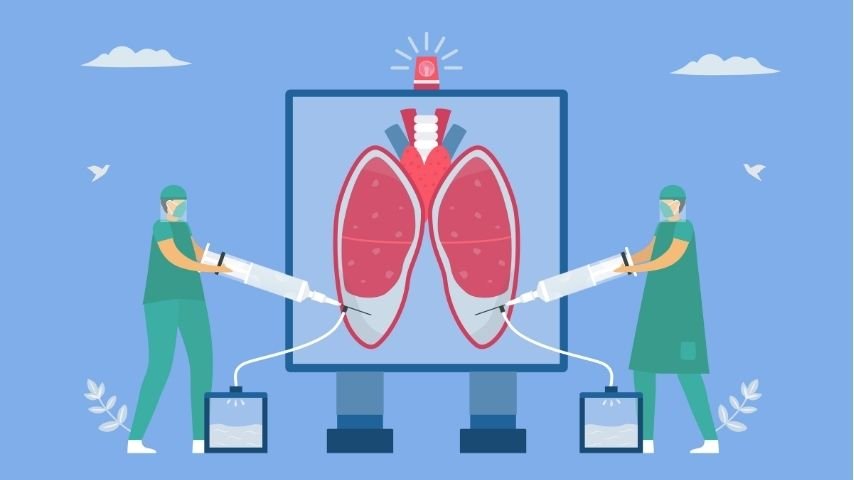
Adhesions can also divide the pleural space into small pockets. This can trap fluid in isolated areas. When doctors try to drain chest fluid with a needle or chest tube, the fluid may not come out easily because it is locked inside these pockets.
This is why pleural adhesions often complicate pleural effusion treatment.
Do Pleural Adhesions Cause Symptoms
Many patients with pleural adhesions have no direct symptoms from the adhesions themselves. There is usually no pain from the adhesions alone. The symptoms come from their effects.
The most common symptom is breathlessness. This happens because the lung cannot expand fully. Some patients feel chest tightness or heaviness. Others notice they get tired more easily during physical activity.
In patients with trapped pleural fluid, persistent cough or repeated chest fluid drainage may occur.
Because adhesions are deep inside the chest, they cannot be felt from outside. They are usually discovered through scans or during medical thoracoscopy.
How Doctors Detect Pleural Adhesions
Chest X-rays and CT scans often give the first clues. Doctors may see areas where the lung does not fully expand or where fluid appears in separate pockets. These patterns suggest possible adhesions.
Ultrasound of the chest can also show trapped fluid compartments.
However, the most accurate way to confirm pleural adhesions is direct visualization during medical thoracoscopy, especially when planning Thoracoscopy for Loculated Pleural Effusion.
How Pleural Adhesions Affect Chest Fluid Drainage
When pleural fluid collects freely, a chest tube or needle can usually drain it easily. But when adhesions divide the pleural space, fluid becomes trapped in multiple compartments.
This leads to repeated fluid build-up despite drainage attempts. Patients may need repeated hospital visits for fluid removal. This becomes frustrating and tiring.
In such cases, simply draining fluid is not enough. The adhesions need to be released. This is where adhesiolysis during medical thoracoscopy becomes helpful.
What Is a Trapped Lung
A trapped lung occurs when thick pleural adhesions prevent the lung from expanding fully even after fluid is drained. On scans, doctors see a gap where the lung should expand but cannot.
Patients with trapped lung often feel persistent breathlessness even after fluid removal. They may wonder why they still feel short of breath despite treatment. The answer lies in adhesions restricting lung movement.
Releasing these adhesions can allow the lung to re-expand and improve breathing.
How Pleural Adhesions Are Treated
Not all pleural adhesions need treatment. Thin, soft adhesions may cause no symptoms. Doctors monitor these with follow-up scans.
When adhesions cause trapped lung or persistent fluid pockets, treatment is recommended. The most effective treatment is adhesiolysis performed during medical thoracoscopy.
During this procedure, doctors insert a camera into the pleural space. They identify adhesions and gently divide them using special instruments. This frees the lung and opens trapped fluid pockets.
After adhesiolysis, a chest tube is placed to keep the lung expanded while healing occurs.
Recovery After Adhesiolysis
Recovery after adhesiolysis is usually quick. Patients may stay in the hospital for one to three days. Mild chest soreness is common and controlled with medication.
Once the lung expands properly and fluid drainage reduces, the chest tube is removed. Breathing often feels easier in the days following the procedure.
Follow-up visits are scheduled to check lung expansion and review any biopsy results taken during thoracoscopy.
Are Pleural Adhesions Preventable
Not all adhesions can be prevented. However, early treatment of pleural infections and prompt drainage of pleural effusions reduce the risk of severe scarring.
Following medical advice and attending follow-up appointments help prevent long-term complications.
Emotional Impact of Pleural Adhesion Diagnosis
Many patients feel worried when they hear words like scar tissue in the lung. Understanding that pleural adhesions are a mechanical problem rather than active cancer or infection helps reduce fear.
When patients know that adhesions can be treated safely, anxiety reduces and confidence increases.
Conclusion
If you or a loved one has been told you have pleural adhesions, trapped lung, or repeated pleural fluid, ask your doctor whether medical thoracoscopy and adhesiolysis could help. Understanding your treatment options is the first step toward easier breathing. Book a consultation with a thoracic or interventional pulmonology specialist to discuss your case in detail.
FAQs (Frequently Asked Questions)
1. Can pleural adhesions develop after a lung infection?
Yes, pleural adhesions can form after lung infections such as pneumonia or tuberculosis. Inflammation of the pleura (the lining around the lungs) can lead to scar tissue formation, causing the layers to stick together.
2. Do all pleural adhesions cause symptoms?
No, many pleural adhesions do not cause any symptoms and are found incidentally on imaging tests. Symptoms, if present, may include chest discomfort or mild breathing difficulty.
3. Can pleural adhesions affect lung expansion?
Yes, in some cases, adhesions can restrict the normal expansion of the lungs, leading to reduced lung capacity and shortness of breath, especially during physical activity.
4. How are pleural adhesions diagnosed?
They are usually diagnosed through imaging tests such as chest X-ray, CT scan, or sometimes during procedures like thoracoscopy. These tests help visualize any thickening or scarring of the pleura.
5. Is surgery always required for pleural adhesions?
No, surgery is not always needed. If adhesions are not causing symptoms, they may not require treatment. Surgery is considered only in cases where there is significant lung restriction or persistent symptoms affecting quality of life.
References and Sources
British Thoracic Society – Pleural Disease Guidelines
American Thoracic Society – Pleural Diseases Overview
European Respiratory Society – Pleural Space Disorders
National Cancer Institute – Pleural Conditions and Treatments