Choosing the Right Hospital for Navigation Bronchoscopy: What Patients Should Look For
Medicine Made Simple
When a CT scan detects a lung nodule, doctors may recommend a biopsy to determine its cause. Navigation bronchoscopy is an advanced procedure that helps doctors reach lung nodules located deep inside the lungs using CT-based maps and GPS-like guidance.
Because this technology requires specialized equipment and trained specialists, choosing the right hospital is important. Hospitals with advanced pulmonology programs, experienced doctors, and modern bronchoscopy technology are better equipped to perform safe and accurate procedures.
Understanding what to look for when selecting a hospital can help patients receive the best care during lung nodule evaluation.
Why the Choice of Hospital Matters for Lung Nodule Diagnosis
When a lung nodule is detected on a CT scan, doctors must determine whether it is benign or requires treatment. This often involves obtaining a tissue sample through a biopsy procedure. Navigational bronchoscopy is one of the most advanced methods available for reaching lung nodules located deep within the lungs. The procedure combines bronchoscopy with CT-based navigation technology to guide doctors through the airway system.
Because this technology requires specialized training and equipment, not every hospital offers navigation bronchoscopy. Choosing a hospital with experience in advanced bronchoscopy procedures can help improve navigation bronchoscopy accuracy and reduce the risk of complications.
Understanding the Role of Interventional Pulmonology
Navigation bronchoscopy is typically performed by specialists trained in a field called interventional pulmonology.
Interventional pulmonologists are doctors who focus on advanced procedures used to diagnose and treat lung diseases. These procedures often involve using bronchoscopy to examine the lungs and collect tissue samples.
In addition to navigation bronchoscopy, these specialists may perform procedures such as endobronchial ultrasound, airway stenting, and minimally invasive treatments for lung conditions.
Hospitals with interventional pulmonology programs are often better equipped to handle complex lung nodule cases.
Patients with difficult-to-reach nodules may benefit from seeking care at these specialized centers.
Experience of the Medical Team
One of the most important factors when choosing a hospital is the experience of the doctors performing the procedure.
Navigation bronchoscopy requires skill in navigating the airway system and using advanced imaging technologies.
Doctors who regularly perform bronchoscopy procedures often develop greater expertise in reaching difficult lung nodules and collecting accurate biopsy samples.
Patients may consider asking their healthcare provider how frequently navigation bronchoscopy procedures are performed at the hospital.
Hospitals that perform a higher number of these procedures may have greater experience in managing complex cases.
Availability of Advanced Bronchoscopy Technology
Navigation bronchoscopy relies on sophisticated technology that combines CT imaging with computer-based navigation systems.
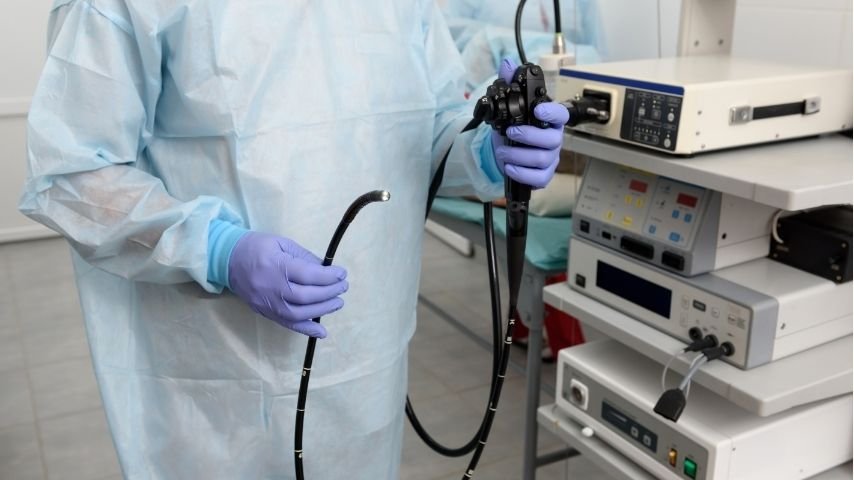
Hospitals offering this procedure typically have specialized bronchoscopy suites equipped with advanced imaging tools.
Some hospitals also provide additional technologies that further improve lung nodule diagnosis.
These technologies may include endobronchial ultrasound, which helps doctors visualize structures near the airways, and robotic bronchoscopy systems that enhance precision when navigating complex airway pathways.
Hospitals that offer multiple advanced bronchoscopy technologies may provide more options for diagnosing difficult lung nodules.
Comprehensive Imaging and Diagnostic Services
Evaluating a lung nodule often requires several different types of imaging and diagnostic tests.
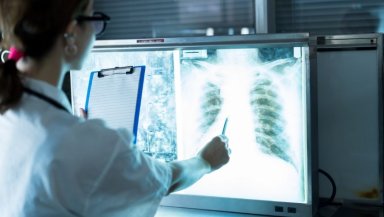
Hospitals with comprehensive diagnostic services can perform advanced CT scans, PET scans, and other imaging studies that help doctors understand the characteristics of a lung nodule.
Radiologists interpret these images and work closely with pulmonologists to determine the best biopsy approach, such as comparing navigation bronchoscopy vs ct guided biopsy based on the nodule's location. Pathology laboratories analyze the tissue samples collected during the biopsy to determine the cause of the nodule. Having these services available within the same hospital can improve coordination of care and speed up the diagnostic process.
Multidisciplinary Lung Care Teams
Many advanced hospitals use a multidisciplinary approach when evaluating lung nodules.
In this approach, specialists from different medical fields work together to review patient cases and plan treatment strategies.
A multidisciplinary lung care team may include pulmonologists, thoracic surgeons, radiologists, pathologists, and oncologists.
This collaborative approach allows doctors to combine their expertise and develop the most appropriate plan for each patient.
For patients with complex lung nodules, multidisciplinary evaluation can help ensure that all diagnostic and treatment options are considered.
Safety Standards and Patient Monitoring
Safety is a critical consideration when choosing a hospital for navigation bronchoscopy.
Hospitals performing these procedures should have specialized bronchoscopy suites with advanced monitoring equipment.
During the procedure, medical staff continuously monitor vital signs such as oxygen levels, heart rate, and blood pressure.
Hospitals should also have protocols in place to manage potential complications such as bleeding or pneumothorax.
These safety measures help ensure that patients receive high-quality care during the procedure.
Quality of Patient Communication and Support
Good communication between healthcare providers and patients is an important part of the diagnostic process.
Hospitals that prioritize patient education often provide clear explanations about the bronchoscopy procedure, preparation steps, and recovery expectations.
Patients should feel comfortable asking questions about the biopsy procedure, possible risks, and follow-up care.
Healthcare teams that take time to explain these details can help reduce anxiety and allow patients to make informed decisions.
Follow-Up Care After the Procedure
Obtaining a biopsy sample is only one part of the lung nodule evaluation process.
After the procedure, the tissue samples are examined in a pathology laboratory. The results help determine whether the nodule is benign, infectious, inflammatory, or cancerous.
Hospitals with integrated care programs can provide coordinated follow-up care after the diagnosis is confirmed.
If the nodule is benign, doctors may recommend monitoring with periodic imaging.
If cancer is detected, the hospital may offer treatment options such as surgery, radiation therapy, chemotherapy, or targeted therapies.
Access to these services within the same healthcare system can make treatment planning more efficient.
Questions Patients May Consider Asking
Patients preparing for navigation bronchoscopy may wish to ask a few questions when choosing a hospital.
Questions may include whether the hospital has an interventional pulmonology program, whether navigation bronchoscopy technology is available, and how frequently the procedure is performed.
Patients may also ask about the experience of the doctors performing the procedure and what safety measures are in place.
Understanding these factors can help patients feel more confident about where they receive care.
Conclusion
Navigation bronchoscopy is an advanced diagnostic procedure that helps doctors reach lung nodules located deep inside the lungs. Because the procedure requires specialized technology and experienced medical teams, choosing the right hospital plays an important role in ensuring accurate diagnosis and patient safety.
Hospitals with dedicated interventional pulmonology programs, advanced bronchoscopy technology, and multidisciplinary lung care teams are often better equipped to manage complex lung nodule cases.
If a CT scan has detected a lung nodule and your doctor recommends navigation bronchoscopy, consulting a hospital with expertise in advanced pulmonology can help ensure that you receive the most appropriate care and accurate diagnosis.