How Does Radioactive Iodine (I-131) Work in the Body? A Patient-Friendly Explanation
Medicine Made Simple
I-131 therapy works by using the natural ability of thyroid cells to absorb iodine. When radioactive iodine is given, it travels through the bloodstream and is taken up mainly by thyroid cells, including cancer cells. Once inside these cells, the radiation damages them and stops them from growing. Most other cells in the body do not absorb iodine in the same way, so they are largely unaffected. The excess iodine is gradually removed from the body. This targeted action makes I-131 an effective treatment for differentiated thyroid cancers and is a key part of the I-131 treatment process.
Starting with the Basics: What Is Iodine and Why It Matters
To understand how I-131 works, it helps to first understand iodine itself.
Iodine is a natural mineral that the body needs to make thyroid hormones. These hormones control how the body uses energy, affecting processes such as heart rate, temperature, and metabolism.
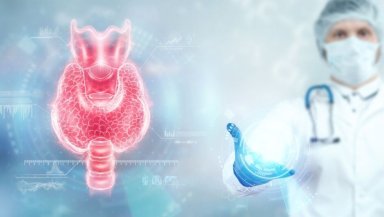
The thyroid gland has a special ability. It actively collects iodine from the bloodstream and stores it. This function is unique because most other tissues in the body do not absorb iodine in the same way.
This natural property is what makes radioactive iodine therapy possible. Doctors use it to deliver treatment directly to thyroid cells without affecting most of the rest of the body.
What Makes I-131 Different from Normal Iodine
I-131 is a form of iodine that contains radiation. It behaves like normal iodine in the body, which means it is absorbed by thyroid cells in the same way.
The key difference is that I-131 gives off radiation after it enters the cells. This radiation is what makes it useful for treatment and depends on the prescribed I-131 dosage.
Because the iodine part guides the substance to thyroid cells, and the radiation part destroys them, I-131 works as a targeted therapy.
This combination of natural behavior and medical design allows doctors to treat cancer cells with precision.
How I-131 Enters the Body
I-131 is usually given as a capsule or liquid that the patient swallows.
Once inside the body, it is absorbed through the digestive system and enters the bloodstream. From there, it circulates throughout the body.
As it travels, it comes into contact with different tissues. However, only thyroid cells actively take it up in significant amounts.
This is because thyroid cells have special transport systems that pull iodine from the blood into the cell.
This step is the beginning of how I-131 targets cancer.
How Thyroid Cells Absorb I-131
Thyroid cells, including most differentiated thyroid cancer cells, retain the ability to absorb iodine.
When I-131 reaches these cells, they treat it just like normal iodine. They absorb it and store it inside.
This process is important because it allows the radioactive iodine to concentrate inside thyroid tissue while leaving most other tissues unaffected.
Even small clusters of thyroid cells that remain after surgery can absorb I-131. This makes it possible to target microscopic disease that cannot be seen on scans.
What Happens Inside the Cell After Absorption
Once I-131 enters a thyroid cell, it begins to release radiation.
This radiation damages the internal structure of the cell, particularly its DNA. DNA controls how a cell grows and divides.
When the DNA is damaged, the cell can no longer function properly. Over time, it loses its ability to survive and eventually dies.
This process does not happen instantly. The effects develop gradually over days to weeks as the radiation continues to act within the cell.
Because the radiation is delivered from inside the cell, it is highly effective in destroying targeted tissue.
Why Other Body Cells Are Mostly Spared
One of the biggest advantages of I-131 therapy is its selectivity.
Most cells in the body do not absorb iodine in large amounts. This means they are exposed to very little radiation compared to thyroid cells.
Some organs, such as the salivary glands and stomach lining, may absorb small amounts of iodine. This is why mild side effects can occur in these areas.
However, the overall exposure to the rest of the body is limited. This makes the treatment safer compared to therapies that affect the entire body.
How the Body Gets Rid of Excess I-131
Not all of the radioactive iodine taken into the body is used by thyroid cells.
The excess iodine is gradually eliminated from the body, mainly through urine. Smaller amounts may be released through sweat and saliva.
This process begins soon after treatment and continues for a few days.
Because the iodine is radioactive, patients are advised to follow certain safety precautions during this period, including I-131 isolation rules. These precautions help protect others from unnecessary exposure.
Over time, the radiation levels decrease as the iodine leaves the body and naturally decays.
Why Preparation Is Important for I-131 Therapy
Before receiving I-131, patients often need to prepare their body to improve the effectiveness of treatment.
One common step is following a low iodine diet for a short period. This reduces the amount of iodine already present in the body.
When iodine levels are low, thyroid cells become more active in absorbing iodine. This helps them take up more of the radioactive iodine during treatment.
Patients may also need to adjust their thyroid hormone medication or receive injections that increase certain hormone levels. This further stimulates iodine uptake.
These preparation steps ensure that I-131 is absorbed more effectively by the target cells.
How I-131 Helps in Follow-Up and Monitoring
I-131 does more than just destroy thyroid cells. It also helps doctors monitor the patient after treatment.
After most thyroid tissue is removed or destroyed, doctors can use blood tests to detect a protein called thyroglobulin. This protein is produced by thyroid cells.
If thyroglobulin levels remain low, it suggests that there are no active thyroid cells left. If levels rise, it may indicate recurrence.
Because I-131 removes remaining thyroid tissue, it makes these tests more accurate and easier to interpret.
Limitations of I-131 Therapy
While I-131 is effective, it does not work in all cases.
Some thyroid cancer cells lose their ability to absorb iodine over time. In such cases, I-131 may not be effective.
This is why doctors carefully evaluate whether a patient is likely to benefit from the treatment.
Understanding these limitations helps set realistic expectations and ensures that the right treatment is chosen.
Why Understanding the Mechanism Matters
Many patients feel anxious about taking radioactive treatment because they do not understand how it works.
Learning about the mechanism of I-131 can make the process less frightening. It helps patients see that the treatment is targeted and based on natural body functions.
This understanding also builds trust in the treatment plan and reduces unnecessary worry.
When patients know what is happening inside their body, they feel more prepared and in control.
Conclusion
If you or a loved one has been advised to undergo I-131 therapy, take time to discuss how the treatment works with your doctor. Understanding the process can reduce fear and help you prepare better. Ask about preparation steps, expected outcomes, and how the therapy fits into your overall treatment plan.
References and Sources