How Much I-131 Dose Do You Really Need? Understanding Low vs High Dose Decisions
Medicine Made Simple
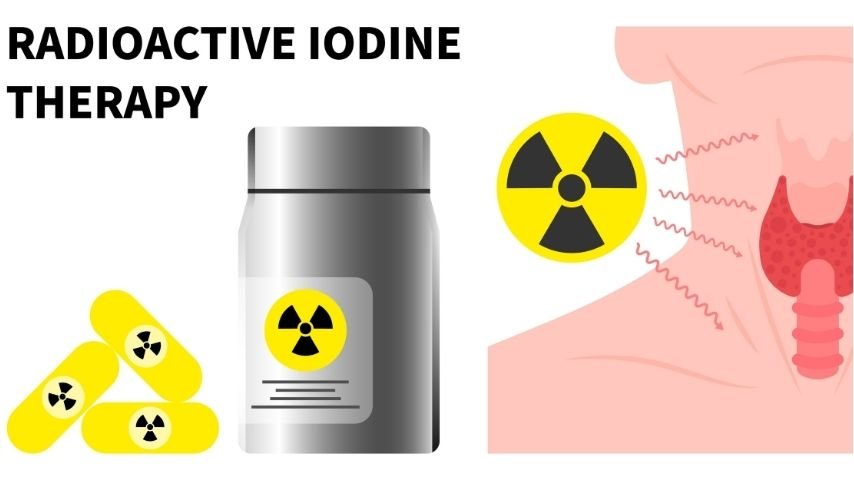
The dose of I-131 therapy for thyroid cancer is not the same for every patient. Some patients receive a low dose to remove remaining thyroid tissue, while others need a higher dose to treat cancer that may have spread. Doctors decide the dose based on factors such as cancer risk, tumor size, and spread. A higher dose is not always better, and unnecessary exposure is avoided whenever possible as part of the overall I-131 treatment process. Understanding how dose decisions are made helps patients feel more confident and reduces confusion during treatment planning.
Why Dose Matters in I-131 Therapy
Many patients assume that a higher dose of treatment will always lead to better results. This belief is common, especially when dealing with cancer.
However, in I-131 therapy, the goal is not to give the highest possible dose. The goal is to give the right dose for the specific situation.
The dose determines how much radiation reaches thyroid cells and cancer cells. It also affects how much exposure the rest of the body receives.
Doctors carefully balance these two aspects. They aim to deliver enough radiation to treat the disease while minimizing unnecessary exposure, ensuring overall I-131 safety.
Understanding this balance is important for making sense of treatment decisions.
What Does “Dose” Mean in Simple Terms
The dose of I-131 refers to the amount of radioactive iodine given to the patient.
This dose is measured in units that reflect the strength of radiation. While the technical details may sound complex, the basic idea is simple.
A lower dose delivers less radiation and is used when the goal is to clean up small amounts of remaining thyroid tissue.
A higher dose delivers more radiation and is used when there is a need to treat cancer that may have spread or is more aggressive.
The choice depends on the patient’s individual condition.
Understanding Low Dose I-131
Low dose I-131 is usually given to remove small amounts of remaining thyroid tissue after surgery.
This process is called remnant ablation. It helps eliminate leftover thyroid cells that are not cancerous but may interfere with follow-up tests.
Low dose treatment is often used in patients who are considered low risk, especially in cases of I-131 for low risk thyroid cancer. These patients typically have small tumors that have not spread.
Because the dose is lower, side effects are usually mild. The treatment is often completed quickly, and the recovery period is shorter.
For many patients, low dose therapy is sufficient to achieve the desired outcome.
Understanding High Dose I-131
High dose I-131 is used when there is a greater need to treat cancer.
This may include cases where cancer has spread to lymph nodes or other parts of the body. It may also be used when the tumor has features that suggest a higher risk of recurrence.
A higher dose delivers more radiation to target these cells more effectively.
Because of the increased radiation, patients may need to follow stricter safety precautions after treatment. In some cases, a short hospital stay may be required.
Side effects may be slightly more noticeable compared to low dose therapy, but they are still manageable in most cases.
How Doctors Decide the Right Dose
The decision about dose is based on several factors.
Doctors look at the pathology report from surgery. This report provides details about the tumor, including its size and characteristics.
They also consider whether the cancer has spread to lymph nodes or other organs. Imaging studies and blood tests help in this assessment.
The patient’s age and overall health are also important. These factors influence how the body may respond to treatment.
Guidelines and clinical experience help doctors choose the most appropriate dose for each patient.
Risk-Based Approach to Dosing
Doctors often use a risk-based approach when deciding the dose.
Low-risk patients usually receive lower doses or may not need I-131 at all. The goal in these cases is to avoid unnecessary treatment.
Intermediate-risk patients may receive a moderate dose to reduce the chance of recurrence.
High-risk patients are more likely to receive higher doses. The goal is to treat any remaining cancer cells aggressively.
This approach ensures that each patient receives treatment that matches their level of risk.
Is Higher Dose Always Better?
It is common for patients to think that a higher dose will provide better protection against cancer.
In reality, this is not always true.
If a patient has low-risk disease, a higher dose may not provide additional benefit. Instead, it may increase the risk of side effects without improving outcomes.
Doctors aim to avoid overtreatment. Giving the right dose is more important than giving a higher dose.
This is why treatment plans are carefully personalized.
What Patients Often Feel About Dose Decisions
Patients often feel confused or uncertain when they hear about different dose options.
Some worry that a lower dose may not be strong enough. Others are concerned about the side effects of a higher dose.
These feelings are normal. The concept of tailoring treatment can be difficult to understand at first.
Clear communication with the medical team helps address these concerns. When patients understand the reasoning behind the decision, they feel more confident.
Side Effects and Dose Relationship
The dose of I-131 can influence the likelihood and intensity of side effects.
Lower doses are generally associated with fewer and milder side effects. Patients may experience minimal discomfort and recover quickly.
Higher doses may lead to more noticeable effects, such as fatigue or dryness in the mouth. However, these effects are still manageable in most cases.
Doctors consider these factors when recommending a dose. The aim is to achieve effective treatment while keeping side effects as low as possible.
Hospital Stay and Safety Precautions
The dose also affects how treatment is managed after administration.
Patients receiving low doses may be able to go home the same day with simple precautions.
Those receiving higher doses may need to stay in the hospital for a short period. This is done to ensure radiation safety for others.
After discharge, patients follow specific guidelines to reduce exposure to family members.
These precautions are temporary and depend on the dose given.
Why Personalized Treatment Is Important
No two patients are exactly the same. This is why treatment decisions, including dose, are personalized.
A one-size-fits-all approach would not provide the best outcomes.
Doctors consider multiple factors and use their expertise to design a plan that suits each patient.
This personalized approach improves both effectiveness and safety.
Questions Patients Should Ask
Patients should feel comfortable asking questions about their treatment plan.
Understanding why a certain dose is recommended can reduce anxiety.
Patients can ask about their risk level, expected benefits, and possible side effects.
These discussions help build trust and ensure that patients are actively involved in their care.
Why Understanding Dose Decisions Matters
When patients understand how dose decisions are made, they feel more in control of their treatment.
It helps them see that the plan is based on careful evaluation rather than guesswork.
This understanding also reduces fear and confusion.
Patients who are informed are better prepared for treatment and recovery.
Conclusion
If you or a loved one has been advised to undergo I-131 therapy, speak with your doctor about how your dose has been decided. Ask about your risk level, expected outcomes, and safety precautions. Understanding your treatment plan will help you feel more confident and prepared as you move forward.
References and Sources