Why Do Some Thyroid Cancer Patients Need I-131 After Surgery? Explained Simply
Medicine Made Simple
After thyroid cancer surgery, some patients are advised to take I-131 therapy, also known as radioactive iodine treatment. This is done to destroy any tiny remaining thyroid cells or cancer cells that surgery may not have removed.
Even when scans look clear, microscopic cells can still be present. I-131 works by targeting these cells because they absorb iodine naturally.
Not every patient needs this treatment, including considerations like I-131 for low risk thyroid cancer. Doctors recommend it based on the risk of cancer coming back.
Understanding why I-131 is used helps patients feel more confident about their treatment plan.
Understanding What Surgery Achieves in Thyroid Cancer
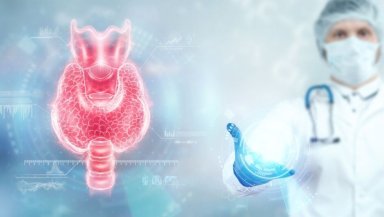
Surgery is usually the first and most important step in treating differentiated thyroid cancer. In many cases, doctors remove the entire thyroid gland, a procedure called total thyroidectomy. In some situations, only part of the thyroid is removed.
The main goal of surgery is to remove all visible cancer from the body. Surgeons carefully remove the tumor along with surrounding thyroid tissue to reduce the risk of leaving cancer behind.
However, even the best surgery cannot always remove every single thyroid cell. The thyroid is located close to important structures like nerves and blood vessels, so surgeons must be careful. Because of this, tiny amounts of thyroid tissue or cancer cells may remain.
These remaining cells are usually too small to be seen on scans or detected during surgery. This is where additional treatment may be needed.
Why Surgery Alone May Not Be Enough
After surgery, many patients feel that the cancer has been completely removed. While this is often true for visible disease, there may still be microscopic cells left behind.
These cells are called “residual” or “remnant” cells. They can be normal thyroid cells or cancer cells that were not removed during surgery.
Over time, these remaining cells can grow. In some cases, they may lead to recurrence of cancer. This does not happen to everyone, but the risk depends on factors like tumor size and spread.
Doctors aim to reduce this risk as much as possible. This is why additional treatment such as I-131 therapy is sometimes recommended.
What Is the Purpose of I-131 After Surgery?
I-131 therapy is used after surgery for two main reasons.
The first reason is to destroy any remaining normal thyroid tissue. This is called remnant ablation. Removing these cells helps make follow-up tests more accurate.
The second reason is to destroy any remaining cancer cells. These cells may be present in the neck or may have spread to other parts of the body.
By targeting these cells early, I-131 therapy reduces the chances of cancer coming back in the future.
This approach is often part of a long-term strategy to improve patient outcomes.
How I-131 Targets Remaining Cells
I-131 works because thyroid cells have a unique ability to absorb iodine.
After surgery, when radioactive iodine is given, any remaining thyroid cells take it up. This includes both normal thyroid tissue and cancer cells.
Once inside these cells, the radiation damages them and prevents them from growing.
Most other cells in the body do not absorb iodine in the same way. This makes the treatment targeted and effective.
Because of this property, I-131 can reach cells that are too small to be detected by imaging.
Who Really Needs I-131 Therapy?
Not all patients need I-131 after surgery.
Doctors classify patients into different risk groups based on factors such as tumor size, spread to lymph nodes, and how aggressive the cancer appears under the microscope.
Patients with higher-risk features are more likely to benefit from I-131 therapy. This includes those with larger tumors or evidence of spread.
Patients with very small and low-risk cancers may not need I-131. In these cases, the risks of treatment may outweigh the benefits.
The decision is always personalized. Doctors carefully evaluate each case before recommending therapy.
Understanding Risk Levels in Simple Terms
Risk levels help doctors decide the need for additional treatment.
Low-risk patients usually have small tumors that have not spread. For them, surgery alone may be enough.
Intermediate-risk patients may have some features that increase the chance of recurrence. I-131 may be considered in these cases.
High-risk patients have a greater chance of cancer returning or spreading. For them, I-131 is often strongly recommended.
Understanding this classification helps patients see why treatment decisions may differ from person to person.
Benefits of Taking I-131 After Surgery
I-131 therapy provides several important benefits.
It reduces the risk of cancer recurrence by destroying remaining cells, depending on the appropriate I-131 dosage. This is especially important for patients with higher-risk disease.
It also improves the accuracy of follow-up tests. After I-131 therapy, blood tests such as thyroglobulin become more reliable in detecting cancer.
In some cases, I-131 can treat cancer that has spread to lymph nodes or distant organs.
Overall, it adds an extra layer of safety after surgery.
What Happens If You Do Not Take I-131?
Some patients may not require I-131 therapy, especially if their risk is low.
In such cases, doctors monitor the patient closely with regular follow-ups. This may include blood tests and imaging.
If there are no signs of remaining disease, patients can do well without additional treatment.
However, if a patient who needs I-131 does not receive it, there may be a higher risk of recurrence. This is why it is important to follow medical advice based on individual risk.
Patients should always discuss their concerns with their doctor before making a decision.
Common Concerns Patients Have
Many patients worry about taking radioactive iodine.
One common concern is radiation exposure. Patients often worry about safety for themselves and their family members, including aspects of I-131 safety.
Another concern is isolation after treatment. Patients may need to stay away from others for a few days, which can feel challenging.
Some patients also worry about side effects, such as changes in taste or dry mouth.
These concerns are normal. Doctors provide clear instructions and support to help patients manage the process safely.
Why Some Patients Feel Confused About This Decision
It is common for patients to feel confused when told they need treatment after surgery.
Many believe that surgery has already cured the cancer. Being advised to take I-131 can feel unexpected.
This confusion often comes from not understanding the concept of microscopic disease. Even when everything looks normal, tiny cells can still be present.
Clear explanation from doctors can help patients understand the purpose of I-131 and reduce anxiety.
How Doctors Help You Decide
Doctors use guidelines and clinical experience to recommend treatment.
They consider pathology reports, imaging results, and overall health before making a decision.
Patients are encouraged to ask questions and understand the reasoning behind the recommendation.
In some cases, a multidisciplinary team discusses the case to ensure the best approach.
This helps patients receive personalized and well-informed care.
Making a Confident Decision
Choosing whether to undergo I-131 therapy can feel overwhelming.
Patients should take time to understand their risk level and the potential benefits of treatment.
Discussing concerns openly with the medical team can help clarify doubts.
A confident decision comes from understanding both the purpose and the expected outcomes of treatment.
Conclusion
If you or a loved one has been advised to take I-131 after thyroid cancer surgery, speak with your doctor about your specific risk level and expected benefits. Ask questions until you feel comfortable with the decision. Understanding why the treatment is recommended can help you move forward with confidence and peace of mind.
References and Sources