What Is I-131 Therapy for Thyroid Cancer? A Simple Guide for Patients and Families
Medicine Made Simple
I-131 therapy, also called radioactive iodine therapy, is a treatment used after thyroid cancer surgery to destroy any remaining thyroid cells or cancer cells.
It works because thyroid cells naturally absorb iodine, so when radioactive iodine is given, it specifically targets these cells without affecting most of the rest of the body.
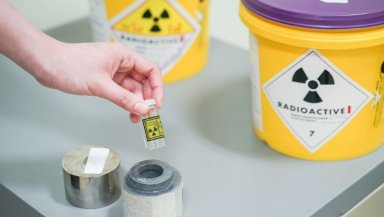
The treatment is usually taken as a capsule or liquid and may require temporary isolation due to radiation safety, following I-131 isolation rules.
It is widely used, effective, and helps reduce the risk of cancer coming back.
Understanding Thyroid Cancer in Simple Terms
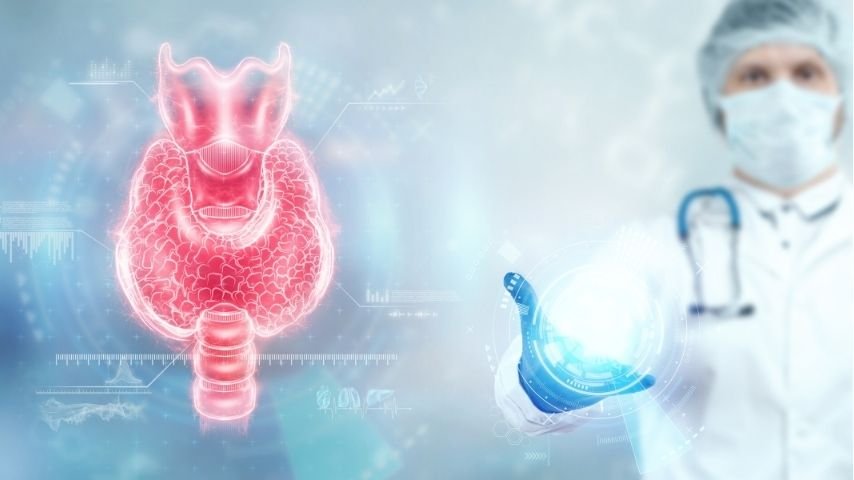
The thyroid is a small, butterfly-shaped gland located in the front of the neck. It plays an important role in controlling metabolism, which affects how the body uses energy.
In differentiated thyroid cancers, such as papillary and follicular thyroid cancer, the cancer cells behave somewhat like normal thyroid cells. This detail is very important because it allows doctors to use a special treatment that targets only these cells.
Most patients with thyroid cancer first undergo surgery to remove part or all of the thyroid gland. However, even after surgery, tiny amounts of thyroid tissue or cancer cells may remain in the body.
These cells are often too small to be seen on scans but can still grow over time.
This is where I-131 therapy becomes important. It is used to clean up these remaining cells and reduce the chances of cancer coming back.
What Is I-131 Therapy?
I-131 therapy is a type of treatment that uses radioactive iodine to destroy thyroid cells.
Iodine is a natural substance that the thyroid gland uses to produce hormones. Because thyroid cells absorb iodine, doctors can use this property to deliver treatment directly to them.
In I-131 therapy, the iodine is made radioactive. When it is taken into the body, it travels through the bloodstream and is absorbed mainly by thyroid cells, including cancer cells.
Once inside these cells, the radiation damages them and stops them from growing or surviving.
This targeted approach is what makes I-131 therapy unique. It focuses on thyroid cells while having minimal effect on most other parts of the body.
Why Is I-131 Therapy Needed After Surgery?
Many patients wonder why they need additional treatment after their thyroid has already been removed.
The reason is that surgery cannot always remove every single thyroid cell. Some cells may be left behind in the neck or may have spread to other parts of the body.
These remaining cells can increase the risk of cancer recurrence.
I-131 therapy helps by destroying these leftover cells. It is often referred to as “remnant ablation,” meaning it clears out remaining thyroid tissue.
In some cases, it is also used to treat cancer that has spread to lymph nodes or other organs.
Not every patient needs I-131 therapy, including considerations like I-131 for low risk thyroid cancer. Doctors decide based on the risk level, tumor size, and other factors.
How Does I-131 Work Inside the Body?
After the patient takes I-131, it enters the bloodstream and circulates throughout the body.
Thyroid cells naturally absorb iodine, so they take up the radioactive iodine more than other cells. This is what makes the treatment targeted.
Once the radioactive iodine is inside the thyroid cells, it releases radiation. This radiation damages the cells from within, causing them to die over time.
Most of the radioactive iodine that is not absorbed by thyroid cells is eventually removed from the body, mainly through urine.
This process allows doctors to treat thyroid cancer cells without affecting most other tissues.
Who Needs I-131 Therapy?
Not all thyroid cancer patients require I-131 therapy.
It is usually recommended for patients with higher-risk features. This may include larger tumors, spread to lymph nodes, or evidence that cancer may return.
For patients with very small and low-risk cancers, doctors may decide that I-131 is not necessary.
The decision is made after careful evaluation of each patient’s condition. Doctors consider factors such as tumor type, size, and spread before recommending this treatment.
How Is I-131 Therapy Given?
I-131 therapy is usually given as a capsule or liquid that the patient swallows, and the I-131 treatment process is planned carefully.
The treatment itself is simple and does not involve injections or surgery. However, preparation is important to make the therapy effective.
Before receiving I-131, patients may be asked to follow a low iodine diet for a short period. This helps increase the body’s ability to absorb the radioactive iodine.
Patients may also need to stop certain thyroid medications temporarily or receive special injections to raise hormone levels. This helps the remaining thyroid cells take up more iodine.
Once the treatment is given, the radioactive iodine begins working inside the body.
What Happens After Taking I-131?
After taking I-131, patients may need to follow certain safety precautions.
Because the treatment involves radiation, patients are advised to maintain some distance from others for a few days. This helps protect family members, especially children and pregnant women.
The body gradually eliminates excess radioactive iodine, mainly through urine and sweat.
Patients are usually given clear instructions about hygiene and safety during this period. These may include drinking plenty of fluids and using separate personal items.
Most patients can return to normal activities after a few days once radiation levels decrease.
Is I-131 Therapy Safe?
Safety is a common concern for patients and families.
I-131 therapy has been used for many years and is considered safe when used appropriately. The treatment is targeted, which means it mainly affects thyroid cells.
Some temporary side effects may occur. These can include mild neck discomfort, dry mouth, or changes in taste.
In rare cases, there may be effects on salivary glands or other tissues. Doctors take precautions to reduce these risks.
The benefits of treatment often outweigh the risks, especially in patients with higher chances of cancer recurrence.
What Are the Benefits of I-131 Therapy?
I-131 therapy offers several important benefits.
It helps destroy remaining thyroid tissue after surgery. This reduces the risk of cancer coming back.
It can also treat cancer that has spread to other parts of the body.
Another advantage is that it allows doctors to monitor patients more easily. After I-131 therapy, blood tests and scans become more accurate in detecting any remaining cancer.
Overall, it improves long-term outcomes for many patients.
Common Concerns Patients Have
Patients often have questions about radiation exposure, isolation, and side effects.
Many worry about how the treatment will affect their daily life. Others are concerned about being away from family during the isolation period.
These concerns are understandable. Doctors and healthcare teams provide detailed guidance to help patients manage this phase safely and comfortably.
Clear communication and preparation can make the experience much easier.
Why Understanding I-131 Therapy Matters
Understanding how I-131 therapy works helps reduce fear and confusion.
When patients know why the treatment is needed and how it works, they feel more confident and prepared.
It also helps families support their loved ones better during the treatment process.
Knowledge plays an important role in making informed decisions and improving overall experience.
Conclusion
If you or a loved one has been advised to undergo I-131 therapy, take the time to discuss the treatment in detail with your doctor. Ask about its purpose, benefits, and safety in your specific case. Understanding your treatment plan can help you feel more confident and prepared as you move forward in your recovery journey.
References and Sources