I-131 Treatment Experience: What Happens Before, During, and After Therapy

Medicine Made Simple
I-131 therapy is a treatment given after thyroid cancer surgery to destroy remaining thyroid cells. Before treatment, patients prepare with a low iodine diet and hormone adjustments to improve iodine uptake. During therapy, the radioactive iodine is taken as a capsule or liquid, and the process is painless. After treatment, patients follow safety precautions for a few days while the body clears excess iodine as part of I-131 safety. Most people experience mild side effects like fatigue or dry mouth. Understanding each step helps patients feel more prepared and less anxious.
Understanding the I-131 Treatment Journey
For many patients, I-131 therapy feels uncertain because it is different from other treatments. There are no injections, no surgery, and no visible procedures. Instead, the treatment happens inside the body after swallowing a capsule or liquid.
Even though the process seems simple, it involves several important steps. These steps begin before the treatment day and continue after the therapy is completed.
Understanding the full journey helps patients know what to expect and reduces unnecessary fear. When each stage is explained clearly, the treatment becomes easier to manage both physically and emotionally.
Before I-131: Preparing the Body for Treatment
Preparation is one of the most important parts of I-131 therapy. It ensures that the treatment works effectively.
Low Iodine Diet
Patients are usually advised to follow a low iodine diet for one to two weeks before treatment. This means reducing foods that contain iodine, such as iodized salt, seafood, dairy products, and processed foods.
The purpose of this diet is to make the body “hungry” for iodine. When iodine levels are low, thyroid cells become more active in absorbing iodine. This increases the effectiveness of the radioactive iodine treatment.
Although the diet may feel restrictive, it is temporary and plays a key role in improving results.
Hormone Preparation
In addition to diet, patients may need to adjust their thyroid hormone levels.
Some patients are asked to stop their thyroid hormone tablets for a short time. This causes the body to produce more thyroid-stimulating hormone, which helps any remaining thyroid cells absorb iodine more effectively, especially in cases like I-131 for low risk thyroid cancer.
In other cases, patients may receive special injections that increase hormone levels without stopping medication. This option helps avoid symptoms such as fatigue or low energy.
The choice depends on the patient’s condition and doctor’s recommendation.
On the Day of Treatment
The treatment day is usually simple and does not involve complex procedures.
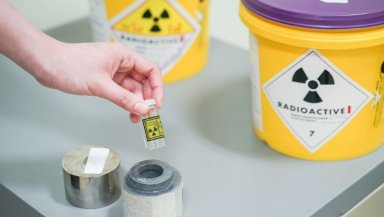
Patients visit the hospital or treatment center, where they are given the radioactive iodine. This is usually in the form of a capsule, although sometimes it may be given as a liquid.
The capsule is swallowed like a normal tablet. There is no pain or discomfort during this process.
After taking the dose, patients may be asked to stay in the hospital for a few hours or, in some cases, a day or two depending on the dose and local guidelines.
Doctors and staff provide instructions about safety precautions before the patient leaves.
During the Treatment: What Happens Inside the Body
Once the I-131 enters the body, it begins its work internally.
The iodine travels through the bloodstream and is absorbed by any remaining thyroid cells. This includes both normal thyroid tissue and cancer cells.
Inside these cells, the radioactive iodine releases radiation. This damages the cells and stops them from growing.
The patient does not feel this process happening. There is no sensation of heat or pain.
The treatment continues to work over several days as the radiation affects the targeted cells.
After I-131: The First Few Days
The period immediately after treatment is important for both effectiveness and safety.
Radiation Safety Precautions
Because the body contains small amounts of radiation, patients are advised to follow certain precautions for a few days.
These precautions may include maintaining distance from others, especially children and pregnant women, sleeping separately, and avoiding close contact.
Patients are also advised to drink plenty of fluids to help flush out excess iodine from the body.
Good hygiene practices, such as frequent handwashing and using separate personal items, are recommended during this period.
These steps are temporary and help ensure the safety of others.
Physical Feelings After Treatment
Most patients do not feel immediate changes after taking I-131. However, some may experience mild symptoms over the next few days.
Fatigue is one of the most common effects. Patients may feel more tired than usual and may need extra rest.
Some patients notice dryness in the mouth or changes in taste. This happens because small amounts of iodine are taken up by salivary glands.
Occasionally, there may be mild discomfort in the neck area, especially if there is remaining thyroid tissue.
These symptoms are usually temporary and improve with time.
The First Few Weeks After Treatment
As the body continues to recover, patients gradually return to their normal routine.
Radiation levels decrease quickly, and most patients can resume regular activities within a few days.
Follow-up appointments are scheduled to monitor progress. Doctors may order blood tests or scans to see how well the treatment has worked.
During this period, patients are encouraged to maintain a healthy diet, stay hydrated, and report any unusual symptoms.
Recovery is generally smooth, and most patients adjust well after treatment.
Follow-Up and Long-Term Monitoring
I-131 therapy is not the end of treatment. Follow-up care is an important part of the process.
Doctors use blood tests, particularly thyroglobulin levels, to check for any remaining thyroid cells. Imaging scans may also be used when needed.
Regular follow-ups help detect any recurrence early and ensure that the patient remains cancer-free.
Patients are also advised to continue taking thyroid hormone medication as prescribed. This helps maintain normal body functions and prevents the growth of any remaining cells.
Common Questions Patients Ask
Patients often wonder if the treatment will be painful or difficult. In most cases, they are surprised by how simple the process is.
Many also ask about how long isolation will last and when they can return to normal life. The answer depends on the dose, but for most patients, it is only a few days.
Another common question is about side effects. Knowing that most side effects are mild and temporary helps reduce anxiety.
Clear communication with the healthcare team helps answer these questions and build confidence.
Emotional and Mental Preparation
The idea of radioactive treatment can cause anxiety, even when the physical process is simple.
Patients may feel worried about isolation or being away from family for a short time. Others may feel uncertain about the outcome.
Talking to doctors, family members, or support groups can help manage these feelings.
Understanding the process step by step makes the experience less stressful and more manageable.
Why Knowing the Process Makes a Difference
When patients know what to expect, they are better prepared for treatment.
They can plan ahead, follow instructions carefully, and manage side effects more effectively.
This knowledge also helps families support their loved ones during the treatment period.
A clear understanding turns an unfamiliar experience into something predictable and manageable.
Conclusion
If you or a loved one is preparing for I-131 therapy, take time to discuss each step with your doctor. Ask about preparation, safety precautions, and follow-up care. Being informed will help you approach treatment with confidence and reduce anxiety throughout the process.
References and Sources