When Should You Consider an ERCP for Gallstones?

Medicine Made Simple
ERCP is a procedure used to diagnose and treat problems in the bile ducts, especially when gallstones move out of the gallbladder and block the common bile duct. This blockage can cause jaundice, severe abdominal pain, fever, infection, or even pancreatitis. Unlike regular surgery, ERCP allows doctors to remove stones and restore bile flow using an endoscope passed through the mouth without large cuts on the body. It is usually recommended when gallstones are causing dangerous blockage rather than when stones remain only inside the gallbladder without complications.
Understanding Gallstones and Why They Matter
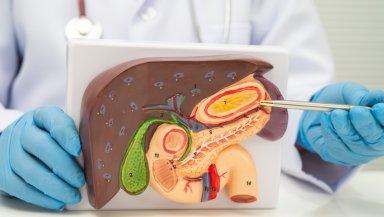
Gallstones are small, hard deposits that form inside the gallbladder. The gallbladder is a small organ located under the liver, and its job is to store bile, a digestive fluid made by the liver that helps break down fats.
Many people have gallstones without knowing it because small stones may not cause symptoms. In some cases, they remain silent for years and are found only during an ultrasound done for another reason.
The problem begins when a stone moves out of the gallbladder and blocks the flow of bile.
The most serious situation happens when the stone gets stuck in the common bile duct, which is the main passage carrying bile from the liver and gallbladder into the small intestine.
This blockage can cause pain, yellowing of the eyes, fever, infection, and inflammation of the pancreas.
At this stage, simple observation is no longer enough, and treatment becomes urgent.
This is where ERCP plays an important role.
What ERCP Means and How It Helps
ERCP stands for Endoscopic Retrograde Cholangiopancreatography. The name sounds complex, but the purpose is straightforward.
It is a special procedure used to examine and treat problems in the bile ducts and pancreatic ducts.
Instead of open surgery, a thin flexible tube called an endoscope is passed through the mouth into the stomach and the first part of the small intestine, similar to an upper GI endoscopy.
From there, the doctor reaches the opening where the bile duct drains into the intestine.
Special tools are passed through the scope to inject dye, take X-ray images, remove stones, place stents, or improve drainage.
If a gallstone is blocking the bile duct, ERCP can often remove it during the same procedure.
This makes it both a diagnostic and treatment procedure.
It is especially valuable because it helps solve the blockage quickly without major surgery.
ERCP Is Not for Every Gallstone
One of the most common misunderstandings is that every person with gallstones needs ERCP.
This is not true.
If gallstones are present only inside the gallbladder and are causing typical gallbladder pain, the usual treatment is gallbladder removal surgery called cholecystectomy or laparoscopic cholecystectomy, not ERCP.
ERCP is mainly used when doctors suspect that a stone has moved into the bile duct and is causing blockage or serious complications.
This means ERCP is not the first treatment for simple gallstones. It becomes important when the problem moves beyond the gallbladder.
Doctors decide this based on symptoms, blood tests, ultrasound findings, and sometimes MRI or other scans.
Understanding this difference helps patients avoid confusion and unnecessary fear.
Symptoms That Suggest a Bile Duct Stone
Certain symptoms strongly suggest that a gallstone may be blocking the bile duct and ERCP may be needed.
One of the most important signs is jaundice, where the skin and eyes turn yellow. This happens because bile cannot flow normally and starts building up in the body.
Dark urine and pale stools often happen along with jaundice.
Severe pain in the upper right part of the abdomen or pain spreading to the back may also suggest a blocked duct.
Fever with chills is especially concerning because it may indicate cholangitis, which is a serious infection of the bile ducts and requires urgent treatment.
Repeated vomiting, poor appetite, and general weakness may also occur.
Some patients develop sudden pancreatitis, which causes severe abdominal pain because the blocked bile duct affects the pancreas.
These symptoms should never be ignored because delay can lead to serious complications.
Blood Tests and Scans That Lead to ERCP
Doctors do not decide on ERCP based only on symptoms.
Blood tests are usually the first clue.
If liver function tests are abnormal, especially bilirubin, alkaline phosphatase, or liver enzymes, it may suggest bile duct blockage.
High infection markers like white blood cell count and CRP may point toward infection.
If pancreatitis is suspected, pancreatic enzymes like amylase and lipase may also be elevated.
Ultrasound is often the first imaging test. It can show gallstones, bile duct widening, or signs of blockage.
Sometimes the stone itself is clearly visible, but not always.
If the diagnosis is still uncertain, doctors may request MRCP, which is a special MRI scan used to look at the bile ducts without doing an invasive procedure.
Once the suspicion becomes strong, ERCP is planned because it can directly treat the problem.
When ERCP Becomes Urgent
Some situations require ERCP urgently rather than as a planned procedure.
If a patient has jaundice along with fever and severe pain, doctors worry about cholangitis. This is a dangerous infection caused by blocked bile flow and can become life-threatening if treatment is delayed.
In this case, ERCP is often done as an emergency to remove the blockage and drain the bile duct.
Acute gallstone pancreatitis with bile duct blockage may also require urgent ERCP, especially if jaundice or infection is present.
Persistent vomiting, severe liver test abnormalities, and signs of worsening infection also increase urgency.
The goal is to relieve the blockage before it causes further damage to the liver, pancreas, or bloodstream.
Quick action can prevent serious complications and improve recovery significantly.
Preparing for an ERCP Procedure
Preparation for ERCP is important for both safety and success.
Patients are usually asked not to eat or drink for at least 6 to 8 hours before the procedure so the stomach remains empty.
The doctor reviews all regular medicines carefully, especially blood thinners, diabetes medicines, insulin, and heart medications. Some may need temporary adjustment.
Blood tests are often repeated to check infection, clotting, and liver function before the procedure.
It is also important to tell the doctor about allergies, asthma, heart disease, previous anesthesia problems, or pregnancy.
Since sedation is commonly used, a family member is usually asked to accompany the patient and help after discharge.
Understanding the reason for ERCP and knowing what to expect helps reduce anxiety before the procedure.
What Happens During ERCP for Gallstones
During ERCP, the patient lies on the procedure table and receives sedation through a vein to stay comfortable and relaxed.
A thin flexible endoscope is gently passed through the mouth into the food pipe, stomach, and then into the first part of the small intestine.
The doctor reaches the small opening where the bile duct drains into the intestine.
A tiny tube is passed through the scope into this opening, and a special dye is injected into the bile duct so X-ray images can show the blockage clearly.
If a stone is found, the doctor may make a small cut called a sphincterotomy to widen the opening and help remove the stone.
Special baskets or balloons are used to pull the stone out.
If the duct is narrow or blocked by swelling, a stent may be placed to keep it open and allow bile to drain. Doctors may sometimes discuss Metal vs Plastic Biliary Stents depending on the condition being treated.
The procedure usually treats the problem immediately without needing open surgery.
Is ERCP Painful
Most patients worry about pain, but ERCP is usually well tolerated because sedation is used.
Patients often feel sleepy and relaxed during the procedure and may remember very little afterward.
There may be mild throat discomfort for a short time because the endoscope passes through the mouth.
Some people feel temporary bloating or mild abdominal discomfort after the procedure.
If a stent is placed or a difficult stone is removed, there may be mild soreness, but severe pain is not expected.
Most patients describe ERCP as uncomfortable rather than painful.
Recovery After ERCP
After the procedure, patients rest in a recovery area while the sedation wears off.
Nurses monitor breathing, pulse, blood pressure, and overall comfort.
The doctor explains what was found and whether stones were removed or a stent was placed.
Some patients go home the same day, while others may stay in the hospital for observation, especially if infection, pancreatitis, or severe jaundice was present before treatment.
Eating usually starts gradually once the doctor confirms it is safe.
Patients should avoid driving, alcohol, and important decisions for the rest of the day if sedation was used.
Follow-up is important because many patients still need gallbladder removal surgery later to prevent future stones from causing the same problem again.
Possible Risks of ERCP
ERCP is very useful, but it carries some risks because it is both a diagnostic and treatment procedure.
The most common complication is pancreatitis, which means inflammation of the pancreas after ERCP.
Other risks include bleeding, infection, reaction to sedation, and rarely, a tear in the intestine or bile duct.
Serious complications are uncommon, and doctors recommend ERCP only when the benefit is clearly greater than the risk.
In cases of blocked bile duct stones, the benefit is often very high because untreated blockage can become dangerous very quickly.
If severe pain, fever, vomiting, or bleeding happens after going home, medical attention should be sought immediately.
Why Timely ERCP Matters
Many patients wait too long because they think the pain will settle or the yellow eyes will improve on their own.
This delay can be dangerous.
A blocked bile duct can quickly lead to serious infection, liver damage, worsening jaundice, or severe pancreatitis.
ERCP works best when the blockage is treated early before complications become severe.
The procedure not only relieves pain but also protects important organs from long-term damage.
Acting early often means shorter hospital stay, faster recovery, and less risk of needing emergency surgery.
When bile flow is blocked, time matters.
Conclusion
ERCP is an important and highly effective treatment when gallstones move into the bile duct and cause blockage, jaundice, infection, or pancreatitis.
It is not meant for every gallstone, but when the common bile duct is affected, ERCP often becomes the safest and fastest way to remove the blockage and restore normal bile flow.
Because it is done through an endoscope rather than open surgery, recovery is usually quicker and less painful for most patients.
If you have jaundice, severe upper abdominal pain, fever, dark urine, or repeated pancreatitis, your doctor may recommend ERCP for a good reason.
Understanding when ERCP is needed helps patients act early and avoid dangerous complications.
Timely treatment can protect the liver, pancreas, and overall digestive health while preventing a small stone from becoming a major emergency.
References and Sources
American Society for Gastrointestinal Endoscopy – ERCP Information