The Role of EUS in Diagnosing Pancreatic Disorders
Medicine Made Simple
Endoscopic Ultrasound, also called EUS, is one of the most accurate tests for examining the pancreas and nearby digestive organs. It combines endoscopy and ultrasound by using a thin flexible tube with an ultrasound probe at the tip to create detailed images from inside the body. This helps doctors detect pancreatic cysts, tumors, chronic pancreatitis, bile duct blockages, and early signs of pancreatic cancer that may not be clearly visible on regular scans. EUS can also guide safe biopsy of suspicious areas, helping doctors diagnose pancreatic disorders early and plan the right treatment.
Understanding Why the Pancreas Is Difficult to Examine
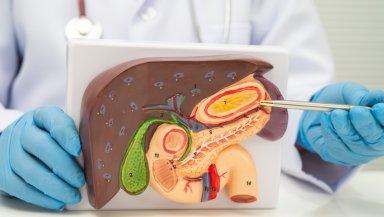
The pancreas is a small but very important organ located deep inside the abdomen, behind the stomach. It helps the body in two major ways. First, it produces digestive enzymes that help break down food. Second, it makes important hormones like insulin, which helps control blood sugar.
Because the pancreas sits deep inside the body and is surrounded by other organs, it can be difficult to examine properly using routine tests alone. Problems in the pancreas often do not cause clear symptoms in the early stage. By the time pain, jaundice, weight loss, or digestion problems appear, the disease may already be advanced.
Regular ultrasound from outside the abdomen may not always show the pancreas clearly because bowel gas and body structure can block the view. CT scans and MRI are useful, but sometimes they still cannot provide enough detail, especially for small cysts, early tumors, or hidden inflammation.
This is why doctors often use Endoscopic Ultrasound, or EUS, when they need a closer and more accurate look at the pancreas.
What Is Endoscopic Ultrasound (EUS)
Endoscopic Ultrasound is a procedure that combines two powerful tools in one test: endoscopy and ultrasound.
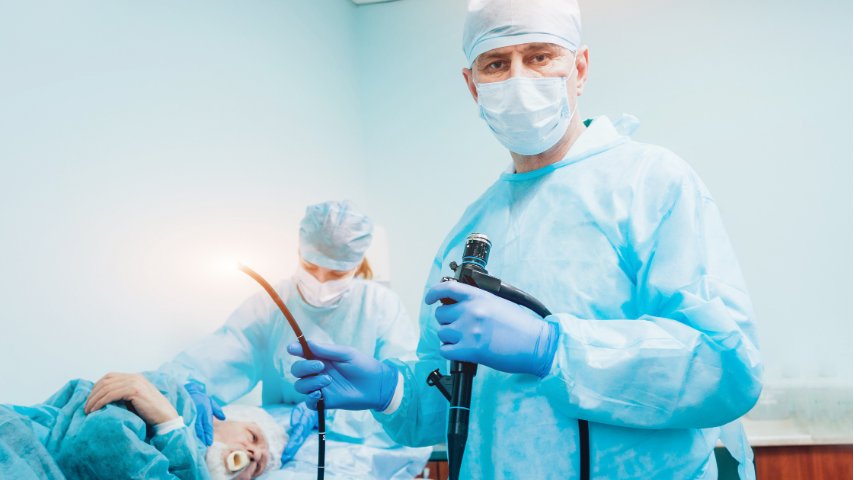
Endoscopy uses a thin flexible tube with a camera to enter the digestive tract through the mouth. Ultrasound uses sound waves to create images of organs inside the body.
In EUS, the ultrasound device is attached to the tip of the endoscope. This allows the doctor to bring the ultrasound source very close to the pancreas by placing the scope inside the stomach and the first part of the small intestine.
Since the pancreas lies just behind these areas, the images become much clearer and more detailed than a regular ultrasound done from outside the body.
This close view helps doctors detect small abnormalities that may otherwise be missed.
EUS is especially useful for evaluating pancreatic cysts, tumors, chronic pancreatitis, bile duct narrowing, and unexplained abdominal pain.
It is one of the most advanced tools available for pancreatic diagnosis.
Why Doctors Recommend EUS for Pancreatic Problems
Doctors usually recommend EUS when symptoms, blood tests, or imaging suggest that something may be wrong with the pancreas but more detailed evaluation is needed.
One common reason is unexplained abdominal pain, especially when it affects the upper abdomen or radiates to the back.
Patients with repeated pancreatitis may need EUS to understand whether hidden stones, structural problems, or chronic inflammation are causing the attacks.
If a CT scan or MRI shows a pancreatic cyst or small lump, EUS helps determine whether it is harmless or suspicious.
Doctors also use EUS when jaundice develops without a clear cause because blockages in the bile duct or pancreas may be responsible.
Unexplained weight loss, poor appetite, new diabetes in older adults, and abnormal liver tests may also lead to pancreatic evaluation through EUS.
Because pancreatic diseases can become serious quickly, early and accurate diagnosis is extremely important.
Detecting Pancreatic Cysts More Clearly
Pancreatic cysts are fluid-filled sacs that can develop inside or around the pancreas.
Some cysts are harmless and may only need monitoring, while others may carry a risk of becoming cancer over time.
CT scans and MRI can detect many cysts, but EUS gives a much closer look.
It helps doctors examine the size, shape, wall thickness, and internal features of the cyst more clearly. These details help decide whether the cyst is low risk or needs further treatment.
In some cases, a fine needle can be passed through the EUS scope to collect fluid from the cyst for testing. This helps identify infection, inflammation, or early cancer changes.
This type of careful evaluation helps avoid unnecessary surgery while still protecting patients from missing dangerous conditions.
Finding Pancreatic Tumors Early
One of the most important roles of EUS is the early detection of pancreatic tumors.
Pancreatic cancer is often difficult to detect early because symptoms may appear late and regular imaging may miss very small growths.
EUS can identify small tumors that are too subtle to be clearly seen on CT scans or abdominal ultrasound.
This is especially important in patients with unexplained weight loss, jaundice, persistent abdominal pain, or strong family history of pancreatic cancer.
Because the ultrasound source is so close to the pancreas, even small suspicious areas can be examined carefully.
Finding tumors early can make a major difference because treatment options are much better before the disease spreads.
This is one of the reasons EUS is considered such a valuable test in pancreatic medicine.
EUS-Guided Biopsy for Safe Diagnosis
Seeing a suspicious area is only the first step. Doctors often need a biopsy to confirm exactly what it is.
A biopsy means taking a small tissue sample for laboratory testing.
With EUS, this can be done safely using a thin needle passed through the endoscope while the doctor watches the target area in real time using ultrasound guidance.
This is called EUS-guided fine needle aspiration or biopsy.
It is commonly used for pancreatic tumors, enlarged lymph nodes, suspicious cysts, or masses near the bile duct.
Because the doctor can see the exact location clearly, the biopsy is highly accurate and usually avoids the need for open surgery just to get a diagnosis.
This helps patients receive faster answers and start the right treatment sooner.
Understanding Chronic Pancreatitis Through EUS
Chronic pancreatitis is long-term inflammation of the pancreas that causes scarring and damage over time.
Patients may have repeated upper abdominal pain, poor digestion, weight loss, or diabetes as the pancreas becomes less able to work properly.
Early chronic pancreatitis can be difficult to diagnose because blood tests and regular scans may still look normal.
EUS helps detect subtle changes in the pancreatic tissue, ducts, and surrounding structures that suggest chronic inflammation.
Doctors can see calcifications, duct narrowing, tissue changes, and signs of damage much earlier than with standard ultrasound.
This helps guide treatment before the disease becomes more severe.
Early diagnosis can improve pain control, nutrition, and long-term quality of life.
Evaluating Bile Duct and Pancreatic Duct Problems
The pancreas works closely with the bile ducts, and problems in one area often affect the other.
A stone stuck in the bile duct may trigger pancreatitis. A tumor in the pancreas may block bile flow and cause jaundice.
EUS helps doctors examine both the pancreas and nearby bile ducts in detail.
It can identify narrowing, stones, small tumors, or pressure from nearby masses that may not be obvious on regular imaging.
This makes EUS especially useful when jaundice, abnormal liver tests, or repeated pancreatitis happen without a clear explanation.
In many cases, EUS helps decide whether the next step should be ERCP for gallstones, surgery, or medical treatment.
Preparing for an EUS Procedure
Preparation for EUS is similar to upper GI endoscopy.
Patients are usually asked not to eat or drink anything for at least 6 to 8 hours before the procedure so the stomach remains empty.
The doctor will review regular medicines, especially blood thinners, diabetes medicines, insulin, and heart medications. Some may need temporary adjustment, especially if a biopsy is planned.
It is important to mention allergies, heart disease, asthma, breathing problems, or previous issues with anesthesia.
Since sedation is commonly used, a family member is usually advised to accompany the patient and help after discharge.
Understanding the reason for the test and knowing what to expect helps reduce stress before the procedure.
What Happens During EUS
During the procedure, the patient receives sedation through a vein to stay relaxed and comfortable.
The doctor gently passes the endoscope through the mouth into the food pipe, stomach, and the first part of the small intestine.
The ultrasound probe at the tip creates detailed images of the pancreas and nearby organs from inside the body.
The doctor carefully checks for cysts, tumors, inflammation, bile duct narrowing, or abnormal lymph nodes.
If needed, a fine needle biopsy is performed during the same session.
Most patients do not feel pain because sedation is already being used.
The procedure usually takes around 20 to 45 minutes depending on the reason for the test.
Recovery After EUS
After the procedure, the patient rests in a recovery area while the sedation wears off.
Mild throat discomfort or bloating may happen for a short time, but serious pain is uncommon.
If a biopsy was taken, the doctor may advise observation for a short period before discharge.
Most patients go home the same day and return to normal activity by the next day.
Biopsy reports may take a few days, while the doctor may explain early findings immediately after recovery.
Conclusion
Endoscopic Ultrasound has become one of the most valuable tools for diagnosing pancreatic disorders because it provides highly detailed images that regular scans may miss.
It helps doctors detect pancreatic cysts, tumors, chronic pancreatitis, bile duct problems, and early pancreatic cancer with much greater accuracy.
Its ability to guide safe biopsy makes it even more powerful by allowing diagnosis without major surgery.
Because pancreatic diseases are often difficult to detect early, timely EUS can make a major difference in treatment success and long-term health.
If your doctor recommends EUS for pancreatic evaluation, it is usually because important answers are needed that simpler tests cannot provide.
Early diagnosis creates better treatment choices, faster decisions, and better outcomes for patients facing pancreatic disease.
References and Sources
American Society for Gastrointestinal Endoscopy – Endoscopic Ultrasound Information
National Institute of Diabetes and Digestive and Kidney Diseases – Pancreatic Diseases Information
Cleveland Clinic – Endoscopic Ultrasound for Pancreatic Disorders Guide
Mayo Clinic – Pancreatic Disease and Diagnostic Procedures Overview