PEG Tube Placement: When Is It Needed and How Is It Done?
Medicine Made Simple
PEG tube placement is a procedure used to place a feeding tube directly into the stomach through the abdominal wall when a person cannot eat enough by mouth safely. PEG stands for Percutaneous Endoscopic Gastrostomy. It is commonly recommended for patients with swallowing problems, stroke, neurological diseases, cancer, or long-term illness that affects nutrition. The procedure is done using endoscopy and usually avoids major surgery. It helps provide long-term nutrition, fluids, and medicines safely, improving strength, recovery, and overall quality of life when normal eating becomes difficult.
Understanding What a PEG Tube Is
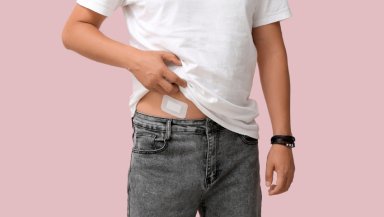
A PEG tube is a feeding tube that is placed directly into the stomach through the skin of the abdomen. PEG stands for Percutaneous Endoscopic Gastrostomy.
The name may sound complicated, but the purpose is simple. It helps patients receive food, water, and medicines when eating by mouth is difficult, unsafe, or not enough to meet the body’s needs.
Normally, food travels from the mouth through the food pipe into the stomach. In some medical conditions, swallowing becomes difficult or dangerous. Food may go into the lungs instead of the stomach, leading to choking or repeated chest infections.
In other situations, a person may be too weak to eat enough, even if swallowing is possible.
A PEG tube provides a safe and reliable way to maintain nutrition without using the mouth for regular feeding.
It is usually meant for medium-term or long-term feeding support and is different from a temporary tube passed through the nose.
Because it goes directly into the stomach, it is more comfortable for long-term use than a nasal feeding tube.
Why Doctors Recommend PEG Tube Placement
Doctors recommend PEG tube placement when the body needs nutrition support for a longer period and normal eating is not possible or safe.
One of the most common reasons is difficulty swallowing, also called dysphagia. This often happens after a stroke, in patients with Parkinson’s disease, motor neuron disease, dementia, or other neurological conditions.
Patients with cancers of the mouth, throat, food pipe, or head and neck area may also need PEG feeding because swallowing becomes painful or blocked.
Some patients with severe injuries, long hospital stays, or prolonged unconsciousness may not be able to eat normally for weeks or months.
Children and adults with certain long-term digestive or developmental conditions may also require this type of feeding support.
The main goal is to prevent malnutrition, dehydration, weight loss, and weakness while allowing the body to heal and stay strong.
PEG tube placement is recommended when the digestive system is working, but the person cannot safely take enough food by mouth.
PEG Tube vs Nasogastric Tube: What Is the Difference
Many patients and families ask why a PEG tube is needed when a feeding tube through the nose already exists.
A nasogastric tube, often called an NG tube, passes from the nose into the stomach. It is useful for short-term feeding, usually for days to a few weeks.
However, for longer use, it can become uncomfortable. It may cause throat irritation, nasal discomfort, accidental removal, or social discomfort because the tube remains visible.
A PEG tube is placed directly into the stomach through the abdomen, making it more suitable for long-term feeding.
It is usually more comfortable, easier to manage, and less likely to be accidentally pulled out during daily activity.
Doctors generally consider PEG when feeding support is expected for more than a few weeks and long-term nutrition planning is needed.
Preparing for PEG Tube Placement
Preparation is important to make the procedure safe and successful.
Patients are usually asked not to eat or drink for at least 6 to 8 hours before the procedure so the stomach remains empty.
The doctor will review current medicines carefully, especially blood thinners, diabetes medicines, insulin, and heart medications. Some medicines may need temporary changes to reduce the risk of bleeding.
Blood tests may be done before the procedure to check infection, blood clotting, and general health condition.
The doctor will also ask about allergies, heart disease, breathing problems, previous surgeries, and any past reaction to sedation.
Since PEG placement is usually done with sedation, a family member is often asked to accompany the patient and help after discharge.
The doctor will explain the reason for the tube, the procedure steps, benefits, and possible risks before taking consent.
Understanding the process helps reduce anxiety for both patients and families.
What Happens on the Day of the Procedure
On the day of PEG tube placement, the patient arrives at the hospital or endoscopy center and completes the admission process.
A nurse checks blood pressure, pulse, oxygen levels, and confirms fasting status and medical history.
The patient changes into a hospital gown and is taken to the procedure room.
Most patients receive sedation through a vein in the hand or arm. This helps them relax and remain comfortable during the procedure.
A numbing spray may also be used in the throat because an endoscope will be passed through the mouth.
The patient usually remains sleepy but can still respond if needed.
The medical team carefully monitors breathing, heart rate, and blood pressure throughout the procedure.
The goal is to make the process safe, comfortable, and as stress-free as possible.
How PEG Tube Placement Is Done
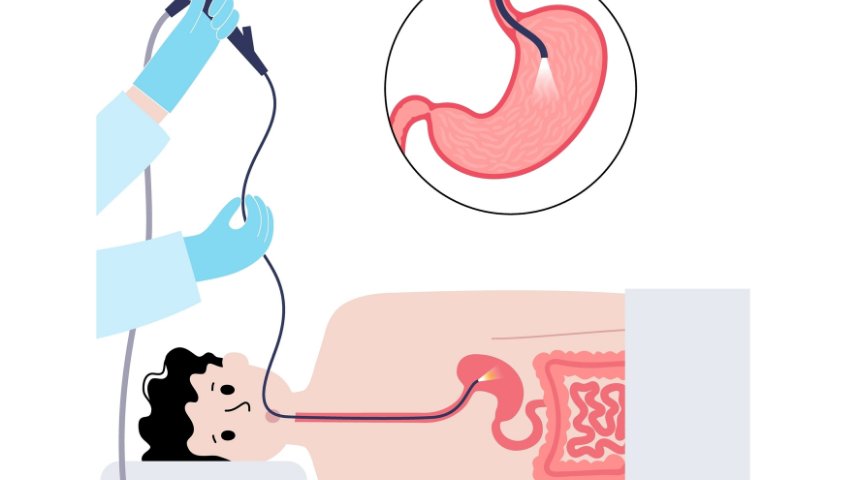
The doctor first performs an upper GI endoscopy by passing a thin flexible tube with a camera through the mouth into the food pipe and stomach.
This helps confirm that the stomach is suitable for safe tube placement.
Once the correct area is identified, the doctor gently presses on the abdomen from outside to choose the best spot for the feeding tube.
The skin is cleaned carefully, and local anesthesia is used to numb the area.
A small opening is then made in the abdominal wall, and the PEG tube is passed directly into the stomach using endoscopic ultrasound guidance.
The tube is secured both inside and outside so it stays safely in place.
The endoscope is then removed, and the area is checked for proper positioning.
The procedure usually takes around 20 to 30 minutes and avoids the need for open surgery.
This makes recovery faster and lowers complications compared to surgical feeding tube placement.
Is PEG Tube Placement Painful
Most patients are worried about pain, but PEG tube placement is usually well tolerated because sedation and local anesthesia are used.
During the procedure, patients are often sleepy and may remember very little afterward.
There may be some mild discomfort or pressure when the tube is being placed, but significant pain is uncommon.
After the procedure, the area around the tube may feel sore for a few days, especially when moving, coughing, or changing position.
This is expected and usually improves with simple pain relief medicines advised by the doctor.
The discomfort is generally much less than patients expect, and most people adjust quickly once healing begins.
Recovery After PEG Tube Placement
After the procedure, the patient is monitored in a recovery area while the sedation wears off.
Nurses check breathing, pulse, blood pressure, and the PEG tube site to make sure everything is stable.
Feeding through the tube may begin within a few hours or sometimes the next day depending on the doctor’s advice and the patient’s condition.
At first, feeding starts slowly with liquids and is increased gradually.
The patient and family are also taught how to care for the tube, clean the skin around it, give feeds, and safely give medicines through the tube.
Mild soreness, slight swelling, or small leakage around the site may happen initially and usually improves.
Most patients can go home once feeding is stable and caregivers feel confident managing the tube.
Proper education is a very important part of recovery.
How Feeding Happens Through a PEG Tube
Feeding through a PEG tube is called enteral feeding.
Special liquid nutrition formulas are given through the tube using a syringe, gravity feeding, or a feeding pump depending on the patient’s needs.
These formulas are designed to provide the right balance of calories, protein, vitamins, minerals, and fluids.
Medicines can also be given through the PEG tube if approved by the doctor.
The tube must be flushed with water before and after feeding to prevent blockage.
Patients may still be allowed to eat small amounts by mouth in some cases if swallowing is safe, but this depends entirely on medical advice.
The PEG tube supports nutrition while protecting the patient from choking and aspiration.
Possible Risks and Complications
PEG tube placement is generally safe, but like all medical procedures, there are some possible risks.
Minor complications may include pain, skin irritation, leakage around the tube, infection at the insertion site, or tube blockage.
Sometimes the tube may become loose, displaced, or accidentally pulled out.
Less commonly, bleeding, reaction to sedation, or injury to nearby organs may occur.
Serious complications are uncommon, and doctors recommend the procedure only when the benefits are clearly greater than the risks.
Careful cleaning, proper feeding technique, and regular follow-up help reduce most problems.
If there is fever, severe pain, heavy leakage, redness, swelling, or the tube stops working, medical attention should be sought quickly.
When a PEG Tube May Not Be Suitable
Although PEG is very helpful, it is not right for every patient.
If the digestive system is not working properly, such as in severe bowel blockage, serious stomach disease, or advanced intestinal failure, PEG feeding may not be useful.
Patients with severe blood clotting problems or major abdominal infections may also need other options first.
Sometimes doctors recommend different feeding methods depending on the patient’s overall condition, long-term prognosis, and personal wishes.
The decision is always made carefully after discussing benefits, risks, and realistic goals of care.
PEG placement should support comfort, dignity, and meaningful recovery, not just nutrition alone.
Conclusion
PEG tube placement is an important procedure that helps patients receive safe and reliable long-term nutrition when eating by mouth becomes difficult or dangerous.
It is commonly used for swallowing disorders, stroke recovery, neurological illness, cancer treatment, and other conditions where nutrition support is essential for healing and strength.
Because the tube is placed using endoscopy rather than major surgery, recovery is usually faster and the procedure is easier for most patients.
Although the idea of a feeding tube can feel overwhelming at first, understanding its purpose often helps families feel more confident.
A PEG tube is not just about feeding. It is about improving comfort, protecting health, and giving the body the support it needs during difficult medical situations.
Early discussion with your doctor can help make the best decision at the right time.
References and Sources
American Society for Gastrointestinal Endoscopy – PEG Tube Information