How Much Does Thyroid Artery Embolization Cost and Is It Worth It?

Medicine Made Simple
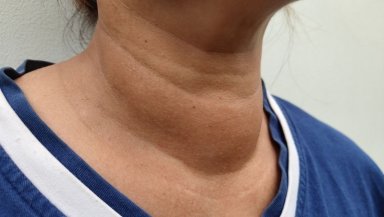
Thyroid Artery Embolization (TAE) is a minimally invasive procedure used to shrink an enlarged thyroid gland by reducing its blood supply. A thin tube is inserted through a blood vessel and guided to the thyroid arteries, where tiny particles are released to block circulation. This causes the thyroid to shrink gradually over time. Because it avoids open surgery, hospital stay is shorter and recovery is quicker. While costs can vary depending on location and hospital, TAE is often considered a cost-effective option for patients seeking a non-surgical treatment.
Why cost is one of the biggest concerns
When patients consider treatment for a goiter, cost quickly becomes one of the most important factors. Even when a procedure is effective and safe, people want to understand whether it is affordable and whether the benefits justify the expense.
Thyroid artery embolization is still a relatively new option compared to traditional surgery, so many patients are unsure about how much it costs and how it compares financially. There is also confusion about what is included in the cost, such as hospital stay, medications, and follow-up care.
Understanding the full picture helps patients make decisions that are not only medically sound but also financially comfortable.
What factors affect the cost of TAE
The cost of thyroid artery embolization is not fixed. It varies depending on several factors that influence the overall expense of the procedure.
The hospital or medical center plays a major role. Advanced facilities with specialized equipment may charge more, but they often provide higher levels of safety and expertise.
The experience of the specialist performing the procedure also affects the cost. Highly trained interventional radiologists may have higher fees, but their expertise can improve outcomes and reduce complications.
Location is another factor. Costs can differ significantly between cities and countries due to differences in healthcare systems and infrastructure.
Additional expenses such as imaging tests, medications, and follow-up visits also contribute to the total cost.
Comparing TAE cost with thyroid surgery
To understand whether TAE is worth it, it is helpful to compare it with the cost of surgery. Thyroid surgery usually involves operating room charges, anesthesia, hospital stay, and post-surgical care.
These factors can make surgery more expensive in many cases, especially when longer hospital stays are required. There are also indirect costs, such as time off work and recovery-related expenses.
TAE, on the other hand, is often performed as a short-stay or day-care procedure. This reduces hospital-related costs and allows patients to return to normal activities sooner.
While the upfront cost of TAE may seem similar or slightly lower in some cases, the overall financial impact is often reduced due to faster recovery and fewer additional expenses, particularly when compared with how scarless thyroidectomy is performed and other surgical techniques.
Understanding value beyond price
Cost alone does not determine whether a treatment is worth it. Value includes the benefits a patient receives in return for the cost.
TAE offers several advantages that contribute to its value. It avoids major surgery, reduces recovery time, and minimizes physical disruption to the body.
Patients often experience less downtime, which means they can return to work and daily activities more quickly. This has both financial and personal benefits.
The absence of a surgical scar and lower risk of complications also add to the overall value of the procedure.
Long-term financial considerations
When evaluating cost, it is important to think beyond the immediate expense. Long-term factors can influence the overall financial impact of treatment.
In surgery, if the entire thyroid is removed, patients may need lifelong medication to replace thyroid hormones. This creates an ongoing cost that continues indefinitely.
With TAE, the thyroid is preserved, and many patients do not require long-term medication. This can reduce future healthcare expenses.
There may still be a need for follow-up visits or occasional monitoring, but these are usually less intensive compared to post-surgical care, including scenarios involving I-131 after thyroid surgery.
Insurance and coverage considerations
Insurance coverage for TAE varies depending on the region and healthcare provider. Some insurance plans may cover the procedure fully or partially, while others may classify it as a specialized treatment.
Patients are encouraged to check with their insurance provider to understand what is included. Clarifying coverage in advance helps avoid unexpected expenses.
Hospitals often provide cost estimates and payment options, which can make planning easier.
Is TAE worth it for every patient
The value of TAE depends on individual needs and priorities. For patients who want to avoid surgery, reduce recovery time, and maintain their thyroid function, the procedure offers significant benefits.
However, it may not be the best option for everyone. In cases where immediate removal of the gland is necessary or where there are concerns about the nature of the goiter, surgery may provide a more suitable solution.
The decision should be based on both medical advice and personal preferences.
Emotional comfort and peace of mind
Financial decisions are not purely about numbers. They are also about how comfortable a patient feels with the chosen treatment.
Many patients value the peace of mind that comes with avoiding major surgery. The ability to recover quickly and return to normal life can feel worth the investment.
Reducing anxiety about scars, complications, and long hospital stays also contributes to the perceived value of TAE.
Discussing cost openly with your doctor
Patients sometimes hesitate to talk about cost with their doctor, but this is an important part of the decision-making process. Doctors can provide guidance on available options and help compare treatments based on both medical and financial factors.
Open discussion allows patients to understand what they are paying for and how it aligns with their health goals.
It also helps identify any additional costs that may not be immediately obvious.
Looking at the bigger picture
Thyroid artery embolization is not just a medical procedure. It is an investment in health, comfort, and quality of life. The cost should be viewed in the context of the benefits it provides.
When compared to surgery, TAE often offers a balance between effectiveness and convenience. It allows patients to manage their condition without major disruption to their lives.
Understanding both the financial and medical aspects helps patients make informed and confident decisions.
Conclusion
The cost of thyroid artery embolization can vary, but for many patients, it offers strong value due to its minimally invasive nature, quicker recovery, and reduced long-term expenses. Whether it is worth it depends on your medical condition, lifestyle, and personal priorities. If you are considering treatment for a goiter, discuss both cost and benefits with your doctor. A clear understanding of your options will help you choose a treatment that supports both your health and your financial well-being.