Is Thyroid Artery Embolization Safe? Risks, Complications, and Success Rates
Medicine Made Simple
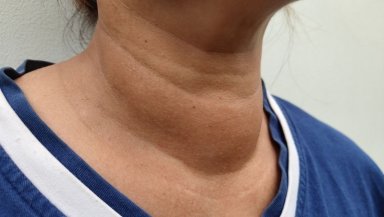
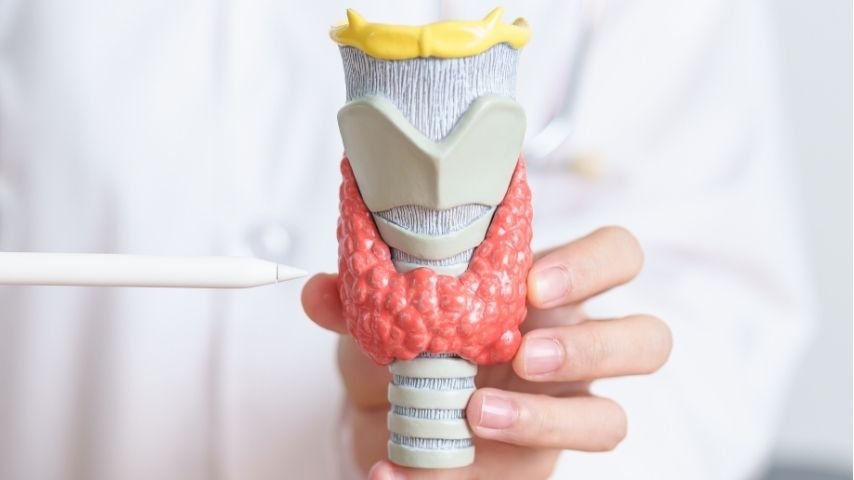
Thyroid Artery Embolization (TAE) is a minimally invasive procedure used to shrink an enlarged thyroid gland without removing it. A thin tube is inserted through a blood vessel and guided to the thyroid arteries, where tiny particles are released to reduce blood flow. This causes the thyroid to shrink gradually over time. Because it avoids open surgery, large cuts, and direct handling of the gland, TAE is generally considered a safe option with faster recovery and fewer complications for suitable patients.
Why safety is the biggest concern for patients
When considering any medical procedure, safety is usually the first and most important question. This is especially true for newer or less commonly known treatments like thyroid artery embolization, also referred to as Thyroid Embolization.
Patients often compare it to surgery and wonder whether it is equally reliable. The lack of familiarity can create doubt, even when the procedure is well-established in medical practice.
Understanding how TAE works and what risks are actually involved helps replace fear with clarity. It also helps patients make decisions based on facts rather than assumptions.
How TAE maintains safety during the procedure
One of the key reasons TAE is considered safe is the way it is performed. The procedure is done through blood vessels using imaging guidance, which allows doctors to see exactly where they are working.
A thin tube is carefully guided to the arteries supplying the thyroid. This precision ensures that only the targeted area is treated while surrounding structures remain unaffected.
Because there are no large cuts or direct removal of tissue, the body experiences less physical stress. This reduces the chances of complications that are commonly associated with open surgery.
The use of local anesthesia instead of general anesthesia also lowers certain risks, especially for patients with other health conditions.
Common side effects after TAE
Like any medical procedure, TAE can cause some side effects, especially in the first few days after treatment. These are usually temporary and part of the body’s natural response.
Patients often experience mild to moderate pain or a feeling of pressure in the neck. This happens because the thyroid is reacting to reduced blood flow.
Some people may develop a low-grade fever or feel tired for a few days. This is similar to how the body responds to inflammation or healing.
There may also be mild swelling or discomfort in the treated area. These symptoms usually improve within a few days and are manageable with medication.
Understanding possible complications
Serious complications from TAE are uncommon, but it is important to understand what could happen in rare cases. Awareness helps patients recognize when to seek medical advice.
In some cases, the treated tissue may react more strongly, leading to prolonged discomfort. There may also be temporary changes in thyroid function as the gland adjusts.
Very rarely, there can be issues related to blood vessels, such as blockage affecting nearby areas. However, careful technique and imaging guidance significantly reduce this risk.
Compared to Thyroid Surgery, the overall complication rate is generally lower, especially when the procedure is performed by experienced specialists.
How TAE compares to surgical risks
Thyroid surgery involves removing part or all of the gland through an incision in the neck. While it is a well-established procedure, it carries certain risks due to its invasive nature.
There is a risk of infection, bleeding, and reactions to general anesthesia. There is also a small chance of damage to nerves that control the voice.
TAE avoids many of these risks because it does not involve open surgery. There are no large wounds, and the surrounding structures are not directly handled.
This difference makes TAE a safer option for many patients, particularly those who want to avoid surgical complications.
Success rates and effectiveness
TAE has shown strong success in reducing the size of the thyroid and relieving symptoms. Most patients experience a noticeable reduction in swelling and improvement in discomfort over time.
The results are gradual because the gland shrinks slowly after the blood supply is reduced. This steady change is often preferred by patients who want a natural adjustment rather than sudden changes.
Success is usually measured by improvement in symptoms rather than complete disappearance of the gland. For most patients, this leads to better comfort and quality of life.
Long-term results depend on factors such as the size of the goiter and the underlying cause, but overall outcomes are positive for suitable candidates.
Who benefits most from TAE safety profile
TAE is particularly beneficial for patients who want a less invasive option or who may not be ideal candidates for surgery. This includes individuals with other medical conditions that increase surgical risk.
It is also suitable for patients who are concerned about scarring or long recovery times. The procedure allows them to return to normal activities more quickly.
Patients who want to preserve their thyroid function may also prefer TAE, as it does not involve removing the gland entirely.
Importance of choosing the right specialist
The safety of any procedure depends not only on the method but also on the expertise of the doctor performing it. TAE requires skill and experience in navigating blood vessels and targeting the correct area.
Choosing a trained and experienced specialist significantly reduces risks and improves outcomes. Proper evaluation before the procedure ensures that it is suitable for the patient.
Follow-up care is equally important to monitor recovery and address any concerns early.
Emotional reassurance and confidence
Fear of complications can make patients hesitant to choose treatment. This is especially true when the procedure is not widely known.
Learning about how TAE works and understanding its safety profile can provide reassurance. Many patients feel more confident once they realize that the procedure avoids many of the risks associated with surgery.
Confidence plays an important role in recovery, as a calm and informed mindset helps patients handle the process more comfortably.
Looking at the bigger picture
No medical procedure is completely without risk, but the goal is to choose an option where the benefits clearly outweigh the risks. TAE offers a balance between effectiveness and safety.
It allows patients to treat their condition without undergoing major surgery. This makes it an important option in modern thyroid care.
Understanding both the benefits and the risks helps patients make decisions that align with their health and lifestyle.
Conclusion
Thyroid artery embolization is generally a safe and effective procedure for reducing goiter size and relieving symptoms. While mild side effects are common in the early days, serious complications are rare when the procedure is performed by experienced specialists. If you are considering treatment for a goiter, discuss your options with your doctor and understand the risks clearly. Choosing the right treatment helps you move forward with confidence and achieve better long-term health.