Why Some Thyroid Nodules Need Treatment — And When Monitoring Is Enough

Medicine Made Simple Summary
Many people discover thyroid nodules during routine checkups, and the first question they usually ask is whether the nodule needs treatment. Not all thyroid nodules are dangerous or require immediate action. Some only need regular monitoring, while others can cause symptoms or grow large enough to need treatment. This guide explains in simple terms why some nodules are treated, why others are only observed, how doctors decide the best approach, and what patients and families should know to make informed decisions.
Understanding Thyroid Nodules in Simple Terms
A thyroid nodule is a lump inside the thyroid gland, which sits at the front of the neck. Nodules are extremely common. Many people do not know they have one until an ultrasound or physical exam reveals it. Some nodules are solid, others contain fluid, and many are a mix of both. The first key point is that most thyroid nodules are benign. They do not threaten health or cause serious problems. However, every nodule follows its own pattern. Some stay the same size for years, while others grow slowly. A few become large enough to impact daily life. Understanding these differences helps explain why some nodules require treatment and others do not.
The First Step: Identifying the Nature of the Nodule
When a nodule is found, doctors look at three main things to decide the next steps. They examine the nodule’s structure on ultrasound, decide whether a biopsy is needed, and check for symptoms. Ultrasound helps doctors see shape, texture, borders, and whether the nodule looks suspicious. Nodules with certain ultrasound features may need a fine needle aspiration biopsy. A biopsy collects a few cells to confirm if the nodule is benign. Most biopsy results come back benign, meaning the nodule is not cancerous and often does not require immediate treatment. If the nodule is benign and not causing any problems, monitoring becomes the safest and simplest approach.
When Monitoring Is Enough
Monitoring, also called watchful waiting or active surveillance, means following the nodule over time with periodic ultrasounds. Doctors choose this option when the nodule is benign and not causing symptoms. It is a safe strategy because benign nodules often grow very slowly, if at all. Monitoring is usually recommended when the nodule is small, stable, and not affecting swallowing, breathing, or appearance. Many patients feel reassured once they understand that most nodules behave quietly. Monitoring avoids unnecessary treatments and allows the body to be left undisturbed. Follow-up schedules may vary, but many doctors repeat an ultrasound in six to twelve months and then adjust the timeline based on changes observed.
When a Thyroid Nodule Needs Treatment
Some nodules require treatment because of the way they behave or the problems they cause. Treatment becomes necessary when the nodule grows steadily, causes pressure in the neck, affects breathing when lying down, or creates difficulty swallowing. Nodules that are visibly noticeable or cause cosmetic concerns also qualify for treatment. In some cases, the nodule may contain fluid pockets that repeatedly refill, making symptoms worse over time. Any nodule with biopsy results that are suspicious or unclear will also be considered for treatment. While cancer is uncommon, nodules that show signs of malignancy on ultrasound or biopsy will require a different pathway. Benign nodules, however, can be treated without removing the thyroid gland, thanks to minimally invasive options now available.
Growth Patterns That Lead to Treatment
Doctors pay close attention to how the nodule grows. A slight increase in size may not matter, but a steady or rapid increase raises concern. Growth is considered significant when the nodule increases more than twenty percent in at least two of its dimensions or when its volume increases by more than fifty percent. Growth patterns also help doctors understand how a nodule behaves. Some nodules grow because of inflammation, while others enlarge due to internal fluid buildup. Monitoring growth helps predict which nodules may eventually cause problems.
Symptoms That Signal the Need for Action
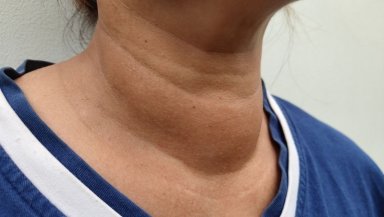
A small nodule may not cause any symptoms, but a larger one may compress nearby structures. This can cause: mild choking sensation, difficulty swallowing solid foods, tightness when lying flat, occasional trouble breathing during exercise, chronic cough that does not improve, or visible swelling on the neck. These symptoms affect quality of life and are strong reasons to consider treatment. Some patients describe a feeling of heaviness in the neck. Others say they can feel the nodule when they touch or turn their neck. These experiences help doctors understand the physical impact of the nodule.
Cosmetic and Emotional Concerns Matter Too
Nodules located near the surface of the thyroid can become visible, causing neck bulging or asymmetry. Cosmetic concerns are valid and part of the decision-making process. Many people feel self-conscious when a nodule becomes visible. Teenagers and young adults often feel particularly uncomfortable with noticeable neck lumps. Treatment in these cases not only relieves physical symptoms but also improves emotional well-being.
Nodules That Produce Excess Thyroid Hormone
Some nodules become autonomous, meaning they produce thyroid hormone without the body’s control. These are called toxic or hyperfunctioning nodules. They can cause symptoms such as rapid heartbeat, weight loss, anxiety, and heat intolerance. When this happens, treatment becomes necessary because excess hormone can affect overall health. Monitoring is not enough in these cases.
Benign Nodules That Still Need Treatment
Even when benign, nodules may require intervention if they continue to grow or cause mechanical symptoms. For many years, surgery was the only way to treat such nodules. Today, newer options like thyroid nodule ablation offer safer, simpler choices. Ablation shrinks the nodule without removing the thyroid gland. For many patients, ablation is enough to control symptoms and avoid surgery.
When Monitoring Becomes Risky
Monitoring alone may not be the best choice when the nodule shows suspicious features, produces excess hormones, or grows quickly. The aim is always to catch problems early and avoid complications. Doctors review ultrasound results carefully to spot any changes in structure. If something looks concerning, treatment is considered sooner rather than later. The goal is to avoid unnecessary worry for the patient while ensuring safety.
How Doctors Decide Between Monitoring and Treatment
Doctors rely on several factors when recommending treatment or monitoring. They assess the nodule’s appearance on ultrasound, growth pattern, symptoms, biopsy results, hormone levels, age, overall health, and patient preference. Some patients prefer active treatment even when monitoring is safe, especially when symptoms or cosmetic issues affect daily life. Others are comfortable with watchful waiting. A balanced decision considers both medical evidence and patient comfort.
The Benefits of Monitoring
Monitoring protects patients from overtreatment, unnecessary procedures, and avoidable risks. It is particularly beneficial when dealing with stable, benign nodules that cause no symptoms. Monitoring allows patients to keep track of their thyroid health without disrupting their daily lives. Many people monitored over years never require treatment. This approach also helps avoid possible side effects of surgery or procedures.
The Benefits of Timely Treatment
When treatment is needed, early intervention helps prevent complications. It relieves symptoms, improves breathing and swallowing, and restores comfort. Treatment can prevent long-term pressure on surrounding structures and prevent the stress caused by watching a growing nodule. Minimally invasive treatments like radiofrequency ablation allow patients to avoid surgery while still getting relief.
Conclusion
If you or someone you care about has a thyroid nodule and is unsure whether monitoring or treatment is the right approach, consider scheduling an evaluation with a thyroid specialist. A detailed ultrasound and clinical review can help determine the safest and most effective path forward.
References and Sources