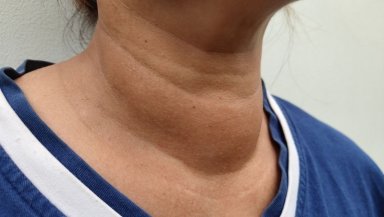
Is a Goiter Dangerous or Just Cosmetic? What Doctors have to say

Medicine Made Simple
Thyroid Artery Embolization (TAE) is a non-surgical procedure used to treat an enlarged thyroid gland, also known as a goiter. Instead of removing the gland through surgery, doctors reduce its blood supply using a thin tube inserted through a blood vessel. Tiny particles are released to block circulation to the enlarged thyroid tissue. Over time, the gland shrinks naturally, helping reduce visible swelling, pressure, and discomfort. This approach allows effective treatment while avoiding major surgery and long recovery periods.
Why this question creates confusion
When people are diagnosed with a goiter, one of the first questions they ask is whether it is dangerous or simply a cosmetic issue. This confusion is very common because goiters can behave in very different ways from person to person, and many also wonder whether a goiter can go away on its own.
Some goiters remain small and do not cause any symptoms other than a visible swelling in the neck. Others grow larger and begin to affect breathing, swallowing, or hormone balance. Because of this variation, it is not always clear whether a goiter needs treatment or can be safely ignored.
Understanding the difference between a harmless and a concerning goiter helps reduce fear and allows better decision-making.
What a goiter actually represents in the body
A goiter is not a disease by itself. It is a sign that the thyroid gland has enlarged in response to some internal change. This could be related to hormone imbalance, iodine levels, inflammation, or growth of nodules.
The thyroid is an important gland that controls metabolism and energy levels. When it enlarges, it may still function normally, or it may start to produce too much or too little hormone.
This means a goiter can be both a structural issue and a functional issue. The level of risk depends on how it affects the body, not just how it looks.
When a goiter is mostly cosmetic
In many cases, a goiter is mainly a cosmetic concern. The swelling may be visible but does not cause pain or interfere with daily activities. The thyroid hormone levels may remain normal, and there may be no pressure on surrounding structures.
People with this type of goiter often feel physically fine. The main concern is appearance, especially if the swelling becomes noticeable in social or professional settings.
Even in these cases, monitoring is important. A goiter that is harmless today can change over time, so regular evaluation helps ensure it remains stable.
When a goiter becomes a medical concern
A goiter becomes more than a cosmetic issue when it starts affecting the body in noticeable ways. As the gland enlarges, it can press on nearby structures in the neck.
This pressure can lead to difficulty swallowing, a feeling of tightness, or discomfort when lying down. In more advanced cases, it can affect breathing, especially if the swelling is large.
The thyroid may also affect hormone levels. If it becomes overactive, it can lead to symptoms such as weight loss, rapid heartbeat, and anxiety. If it becomes underactive, it can cause fatigue, weight gain, and low energy, which are important goiter symptoms to recognize.
These changes make the condition medically significant and require proper management.
The role of nodules in goiter risk
Many goiters contain nodules, which are small lumps within the thyroid. Most nodules are harmless, but some may require further evaluation.
The presence of nodules can make the goiter feel uneven or firm. While most nodules are non-cancerous, a small percentage may need closer examination to rule out serious conditions.
This is one of the reasons doctors recommend imaging tests like ultrasound when evaluating a goiter.
Understanding whether nodules are present helps determine the level of risk and the need for treatment.
Why size matters more than appearance
A goiter may look small but still cause symptoms, or it may look large but remain relatively harmless. However, as the size increases, the likelihood of complications also increases.
Larger goiters are more likely to press on the windpipe or esophagus. This can lead to noticeable discomfort and functional problems.
Even if the swelling is not painful, its size alone can affect quality of life. This is why doctors consider both size and symptoms when deciding on treatment.
How doctors assess whether it is dangerous
Doctors do not rely only on appearance to judge a goiter. They use a combination of physical examination, blood tests, and imaging.
Blood tests help determine whether the thyroid is functioning normally. Ultrasound provides detailed information about the size, structure, and presence of nodules.
In some cases, additional tests may be needed to understand the nature of the swelling.
This comprehensive approach ensures that the condition is properly evaluated before deciding on treatment.
Where thyroid artery embolization fits in treatment
When a goiter becomes large or starts causing symptoms, treatment is often needed. Thyroid artery embolization is a modern option that reduces the size of the gland without removing it.
The procedure works by limiting blood flow to the enlarged thyroid tissue. As the blood supply decreases, the gland gradually shrinks over time.
This helps relieve pressure symptoms and improves appearance. Because it is minimally invasive, it avoids the risks and recovery time associated with surgery.
It is particularly useful for patients who want to avoid surgery or are not suitable candidates for it.
Balancing cosmetic concerns and health risks
For many people, the decision to treat a goiter is influenced by both medical and cosmetic factors. Even if the goiter is not dangerous, its appearance can affect confidence and comfort.
At the same time, it is important not to ignore potential health risks. A balanced approach involves understanding both aspects and making an informed decision.
Discussing concerns openly with a doctor helps ensure that both physical and emotional factors are considered.
Emotional impact of visible goiter
A visible swelling in the neck can affect how a person feels about their appearance. It may lead to self-consciousness or discomfort in social situations.
This emotional impact is often underestimated but plays an important role in quality of life. Addressing the condition can improve both physical health and confidence.
Knowing that effective treatments are available can help reduce anxiety and encourage timely action.
Looking at the bigger picture
A goiter should not be judged only by how it looks. It is a sign of changes within the thyroid and the body. Understanding whether it is harmless or potentially problematic requires proper evaluation.
Even if it is currently only cosmetic, monitoring is important because conditions can change over time.
Taking a proactive approach helps ensure long-term health and peace of mind.
Conclusion
A goiter can be both a cosmetic concern and a medical condition, depending on how it affects your body. While some cases remain harmless, others can lead to symptoms that require treatment. If you notice neck swelling or changes in your thyroid, consult a doctor for proper evaluation. Treatments like thyroid artery embolization offer a safe and effective way to manage goiter without major surgery. Early understanding and action help you make confident decisions about your health.
References and Sources