How Effective Is SBRT for Lung, Prostate, and Liver Cancer? Data vs Patient Stories

Medicine Made Simple
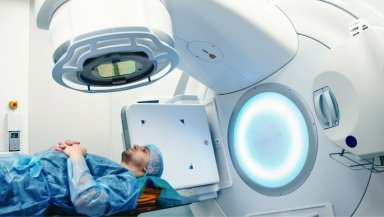
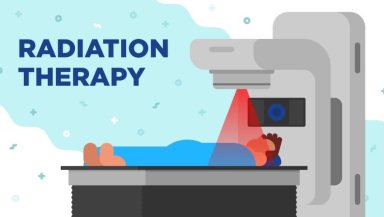
Stereotactic Body Radiation Therapy (SBRT) is a highly precise treatment that delivers strong radiation doses to cancer in a few sessions. It has shown excellent results for certain cancers, especially lung, prostate, and liver cancers.
For small and early-stage tumors, SBRT can control or destroy cancer as effectively as surgery in some cases. Patients often report good outcomes with manageable side effects.
However, results depend on factors like tumor size, location, and overall health. Understanding both medical data and real patient experiences helps patients make informed decisions about treatment.
Understanding What “Effectiveness” Means in Cancer Treatment
When doctors talk about how effective a treatment is, they are not referring to just one outcome. Effectiveness can include how well the treatment controls the tumor, how long the patient lives after treatment, and how the treatment affects quality of life.
In the case of SBRT, effectiveness often means how well the radiation can stop the tumor from growing or completely destroy it. Doctors also look at how long the cancer stays under control and whether it returns.
Another important factor is how the patient feels during and after treatment. A treatment that works well but causes severe side effects may not be the best choice for every patient. SBRT is often discussed because it aims to balance strong cancer control with fewer side effects.
Why SBRT Shows Strong Results in Certain Cancers
SBRT works best for tumors that are small and clearly defined. This allows doctors to target the tumor precisely while protecting surrounding tissues. The high dose used in each session is powerful enough to damage cancer cells effectively. Because the treatment is focused, the energy is concentrated where it is needed most. This combination of precision and strength is what makes SBRT benefits highly effective for certain cancers, particularly in organs like the lungs, prostate, and liver. These organs can be treated accurately using modern imaging and tracking systems. However, the success of SBRT depends on careful patient selection. It is most effective when used in the right situations.
Effectiveness of SBRT in Lung Cancer
SBRT has become an important treatment option for early-stage lung cancer, especially for patients who cannot undergo surgery.
Studies have shown that SBRT can control lung tumors in a high percentage of cases. In many patients with small tumors, local control rates are very high, meaning the tumor does not grow or spread in the treated area.
For some patients, SBRT vs surgery comparisons offer results similar to surgery. This is especially valuable for those with other health conditions that make surgery risky. Patient experiences often reflect these outcomes. Many patients report that the treatment is quick and manageable, with fewer side effects than expected. Some mention mild fatigue or temporary breathing discomfort, but overall recovery is usually smooth. SBRT has also been used in cases where lung cancer has spread to a limited number of areas. In such situations, it can help control disease progression.
Effectiveness of SBRT in Prostate Cancer
SBRT is increasingly used for prostate cancer, particularly in early and intermediate stages. One of the key advantages in prostate cancer is the ability to deliver precise radiation while protecting nearby organs such as the bladder and rectum. This reduces the risk of side effects. Clinical data shows that SBRT provides strong cancer control rates, comparable to traditional radiation therapy when considering SBRT vs radiation therapy. It also offers the benefit of a shorter treatment schedule, which many patients find convenient.
Patient stories often highlight the ease of treatment. Many patients appreciate completing therapy in just a few sessions instead of several weeks.
Side effects such as urinary or bowel changes can occur, but they are usually mild and improve over time. Long-term outcomes have also been encouraging, with many patients maintaining good quality of life.
Effectiveness of SBRT in Liver Cancer
Liver cancer can be challenging to treat because of the organ’s sensitivity and its role in many body functions. However, SBRT has shown promising results in selected cases.
SBRT is often used when surgery is not possible or when other treatments like ablation are not suitable. It can target tumors in the liver with high precision while preserving healthy liver tissue.
Studies indicate that SBRT can achieve good local control of liver tumors. This means the treated tumor remains stable or shrinks over time.
Patients often report manageable side effects, such as mild fatigue or temporary discomfort in the abdomen. Because the liver is a sensitive organ, careful planning at a specialized SBRT treatment center is essential to avoid complications. SBRT is also used for liver metastases, where cancer has spread from another part of the body. In such cases, it can help control disease in specific areas.
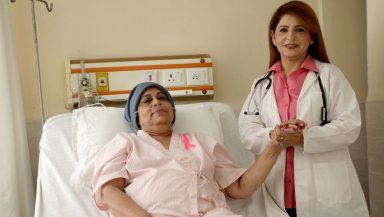
What Real Patients Are Saying
Patient experiences provide valuable insight into how SBRT works in real life.
Many patients describe SBRT as less disruptive compared to traditional treatments. The shorter treatment schedule allows them to continue daily activities with minimal interruption.
Patients often mention that the treatment itself is painless and that side effects are manageable. Some express surprise at how quickly the process is completed.
However, not all experiences are the same. Some patients report temporary fatigue or mild discomfort depending on the area treated. A few may experience more noticeable side effects, especially if the tumor is close to sensitive organs.
Overall, patient feedback tends to be positive, particularly when SBRT is used in appropriate cases.
Factors That Affect SBRT Success
The effectiveness of SBRT is influenced by several factors.
Tumor size is one of the most important. Smaller tumors are easier to target and respond better to treatment.
The location of the tumor also matters. Tumors located near critical organs may require more cautious planning.
The patient’s overall health plays a role in how well the body responds to treatment. Patients with fewer underlying health issues may recover more quickly.
Timing of treatment is another factor. Early-stage cancers often respond better to SBRT than advanced cases.
Understanding these factors helps doctors select the right patients for this treatment.
Comparing Data and Real-Life Outcomes
Clinical data provides numbers and statistics, such as success rates and survival rates. These are important for understanding how well a treatment works on a large scale.
Patient stories, on the other hand, provide a personal perspective. They highlight how treatment feels and how it affects daily life.
Both types of information are valuable. Data shows the effectiveness of SBRT, while patient experiences show what it is like to go through the treatment.
When combined, they give a more complete picture and help patients make informed decisions.
Is SBRT a Cure or a Control Method?
In some cases, SBRT can completely destroy a tumor, especially when it is small and detected early. In such situations, it may act as a curative treatment.
In other cases, SBRT is used to control cancer rather than cure it. This is common when cancer has spread but is limited to a few areas.
The goal of treatment varies depending on the stage and type of cancer. Doctors explain this clearly so that patients understand what to expect.
Why Early Diagnosis Improves Outcomes
SBRT works best when cancer is detected early.
Early-stage tumors are usually smaller and easier to target. This increases the chances of successful treatment.
Regular screenings and timely medical consultation can help detect cancer at an early stage. This opens up more treatment options, including SBRT.
Patients who are diagnosed early often have better outcomes and fewer complications.
Conclusion
If you or a loved one has been diagnosed with lung, prostate, or liver cancer, speak with your doctor about whether SBRT is a suitable option. Ask about success rates, possible outcomes, and how the treatment fits your specific condition.
Understanding both medical data and patient experiences can help you make a confident and informed decision about your care.
References and Sources