SBRT vs Surgery: Which Option Offers Better Outcomes for Early-Stage Cancer?

Medicine Made Simple
Stereotactic Body Radiation Therapy (SBRT) and surgery are both effective treatments for early-stage cancer, but they work in very different ways. Surgery removes the tumor from the body, while SBRT uses highly focused radiation to destroy it without any cuts. SBRT is non-invasive and usually completed in a few sessions, while surgery involves hospital stay and recovery time. For some patients, SBRT offers outcomes similar to surgery, especially when tumors are small. The best choice depends on factors like overall health, tumor location, and patient preference.
Understanding the Two Treatment Approaches
When cancer is detected at an early stage, treatment options often include surgery or radiation therapy. Both aim to remove or destroy the tumor completely.
Surgery is a physical method. The doctor removes the tumor from the body through an operation. This has been a standard approach for many years.
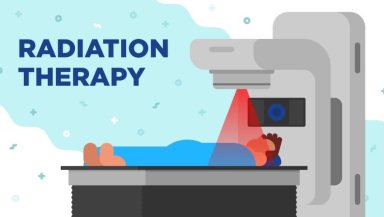
SBRT, on the other hand, is a non-surgical method. It uses high-dose radiation to target and destroy cancer cells with precision.
Although both treatments aim for the same goal, the way they are performed and how they affect the patient are very different. Understanding these differences helps patients make informed decisions.
How Surgery Works
Surgery involves removing the tumor along with a small margin of surrounding healthy tissue. This helps ensure that no cancer cells are left behind.
Depending on the type and location of cancer, surgery may be done using traditional open methods or minimally invasive techniques. Some procedures require general anesthesia and a hospital stay.
Recovery time varies. Some patients recover quickly, while others may need weeks or months to heal fully.
Surgery is often preferred when the tumor is accessible and the patient is fit enough to undergo an operation.
How SBRT Works
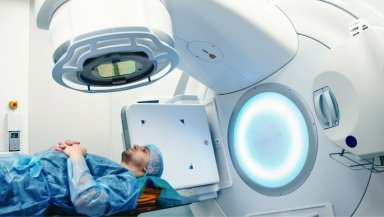
SBRT uses advanced technology to deliver high doses of radiation directly to the tumor. It does not involve any cuts or anesthesia.
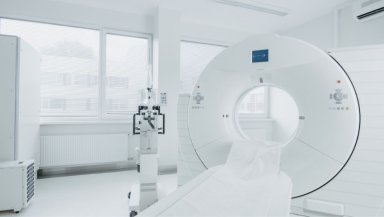
Before treatment, detailed imaging is used to map the tumor. During treatment, radiation beams are delivered from multiple angles, focusing on the tumor while sparing nearby healthy tissue.
The treatment is usually completed in one to five sessions. Patients can go home the same day and continue with their daily routine.
SBRT is often considered when surgery is not possible or when patients prefer a non-invasive option.
Comparing Effectiveness in Early-Stage Cancer
Both SBRT and surgery can be highly effective for early-stage cancer, especially when the tumor is small and localized.
Surgery has a long track record and is often considered the standard treatment. It physically removes the tumor, which provides immediate results.
SBRT has shown comparable outcomes in certain cancers, such as early-stage lung cancer. Studies suggest that for selected patients, SBRT can control the tumor as effectively as surgery.
The choice depends on individual factors. Some patients may benefit more from surgery, while others may achieve similar results with SBRT.
Differences in Recovery and Daily Life
Recovery is one of the biggest differences between these two treatments.
After surgery, patients may need time to heal. This can include rest, wound care, and sometimes physical therapy. Hospital stays and follow-up visits are common.
SBRT has a much shorter recovery period. Since there is no surgery, patients usually experience minimal disruption to their daily life.
Many patients return to normal activities within a few days. This makes SBRT an attractive option for those who want to avoid a long recovery.
Risks and Side Effects
Both treatments have risks, but they are different in nature.
Surgery-related risks
Surgery carries risks such as infection, bleeding, and complications from anesthesia. Recovery may involve pain and temporary limitations in movement.
SBRT-related side effects
SBRT side effects are usually milder. Patients may experience fatigue or discomfort in the treated area. In some cases, there may be organ-specific side effects depending on the location of the tumor.
Doctors evaluate these risks carefully before recommending a treatment.
Suitability Based on Patient Health
A patient’s overall health plays a major role in deciding between SBRT and surgery.
Patients who are young and healthy may be good candidates for surgery. They can tolerate the procedure and recover well.
Patients with other health conditions, such as heart or lung problems, may not be suitable for surgery. For them, SBRT offers a safer alternative.
This is why treatment decisions are always personalized.
Impact of Tumor Location and Size
The location and size of the tumor are also important factors.
Tumors that are easy to access may be better suited for surgery. However, tumors located in difficult or sensitive areas may be treated more safely with SBRT.
Small, well-defined tumors respond well to SBRT because they can be targeted precisely.
Larger or more complex tumors may require surgery or a combination of treatments.
Hospital Stay and Convenience
Surgery often requires hospital admission and post-operative care. Patients may need to stay in the hospital for a few days depending on the procedure.
SBRT does not require hospital stay. Treatment is usually done on an outpatient basis.
This difference affects convenience and lifestyle. Patients who prefer a shorter and less disruptive treatment often consider SBRT.
Cost Considerations
Cost can vary depending on the type of treatment and healthcare system.
Surgery may involve higher upfront costs due to operation, hospital stay, and recovery care. However, it is often covered by insurance.
SBRT may have a higher cost per session, but fewer sessions are needed. It may also reduce indirect costs such as travel and time off work.
Patients should discuss financial aspects with their healthcare provider.
What Patients Are Saying
Patient experiences provide valuable insights.
Some patients who undergo surgery feel reassured knowing that the tumor has been physically removed. However, they may also mention the challenges of recovery.
Patients who choose SBRT often highlight the convenience and shorter treatment time. Many report that the process is easier than expected.
Experiences vary, but both treatments have helped many patients achieve good outcomes.
How Doctors Help You Decide
Doctors consider several factors when recommending treatment.
These include tumor size, location, stage of cancer, and the patient’s overall health. They also consider patient preferences and lifestyle.
A team of specialists often discusses the case to decide the best approach. This ensures that the chosen treatment is safe and effective.
Patients are encouraged to ask questions and understand their options.
Making the Right Choice for You
There is no single answer to which treatment is better.
The right choice depends on individual circumstances. Some patients may benefit more from surgery, while others may find SBRT to be a better fit.
Understanding the differences helps patients make informed decisions and feel more confident about their treatment plan.
Conclusion
If you or a loved one has been diagnosed with early-stage cancer, discuss both SBRT and surgery with your doctor. Ask about the benefits, risks, and expected outcomes for your specific condition. Taking the time to understand your options can help you choose a treatment that aligns with your health needs and personal preferences.
References and Sources