SBRT Side Effects: Short-Term vs Long-Term Risks Explained by Experts
Medicine Made Simple
Stereotactic Body Radiation Therapy (SBRT) is a precise cancer treatment that delivers high-dose radiation to tumors in a few sessions. Because it targets the tumor accurately, it usually causes fewer side effects than traditional radiation. Short-term side effects may include tiredness, mild pain, or irritation in the treated area, and these often improve within days or weeks. Long-term side effects are less common but can occur depending on where the tumor is located. Understanding these risks alongside the SBRT benefits helps patients prepare better and manage symptoms with proper medical guidance.
Understanding Side Effects in a Simple Way
When patients hear about radiation therapy, one of the first concerns is side effects. It is natural to worry about how the body will react and how long recovery will take.
Side effects happen because radiation, while targeting cancer cells, can also affect nearby healthy tissues. The goal of modern treatments like SBRT is to reduce this impact as much as possible.
SBRT is designed to be precise, which means it limits exposure to healthy areas. Because of this, many patients experience fewer and milder side effects compared to traditional radiation therapy. However, side effects can still occur, and understanding them helps patients feel more prepared.
Side effects are usually grouped into two types. Short-term effects happen during or soon after treatment. Long-term effects may appear months or even years later, although they are less common.
Why SBRT Side Effects Are Often Less Severe
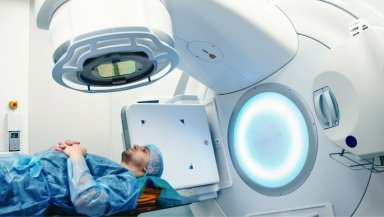
SBRT uses advanced imaging and planning to focus radiation directly on the tumor. This accuracy allows doctors to deliver high doses without exposing a large area of the body. Because the treatment is completed in fewer sessions, healthy tissues are not repeatedly exposed to radiation over many weeks. This reduces the chance of cumulative damage and improves SBRT effectiveness. However, the high dose used in each session means that careful planning is essential. Doctors consider the tumor’s location and nearby organs to minimize risks. Patients often find that while SBRT is intense in terms of dose, it is gentler in terms of overall side effects.
Short-Term Side Effects of SBRT
Short-term side effects usually appear during treatment or within a few days after completing it. These effects are generally mild and temporary.
Fatigue and Low Energy
One of the most common side effects is fatigue. Patients may feel more tired than usual, even if they are not physically active.
This tiredness can be caused by the body’s response to radiation and the effort of healing. It usually improves within a few weeks after treatment ends.
Getting enough rest, eating well, and staying lightly active can help manage fatigue.
Skin Changes in the Treated Area
Some patients may notice mild skin changes in the area where radiation is delivered. The skin may appear slightly red, dry, or sensitive.
These changes are usually not severe with SBRT because of its precision. Most patients find that the skin returns to normal within a short time.
Doctors may suggest gentle skin care routines to reduce discomfort.
Pain or Discomfort in the Treatment Area
Depending on the location of the tumor, patients may feel mild pain or discomfort in the treated area. This is usually temporary and manageable.
For example, patients receiving SBRT for lung tumors may feel slight chest discomfort, while those treated for abdominal tumors may notice mild bloating.
Doctors can provide medications or simple advice to ease these symptoms.
Organ-Specific Short-Term Effects
Some side effects depend on the part of the body being treated. For instance, lung treatment may cause a mild cough or shortness of breath, while liver treatment may lead to temporary nausea.
These symptoms are usually short-lived and improve as the body recovers.
Long-Term Side Effects of SBRT
Long-term side effects are less common but are important to understand. They depend on factors such as the tumor’s location, the radiation dose, and the patient’s overall health.
Changes in Organ Function
In some cases, radiation can affect how an organ functions over time. For example, lung SBRT may lead to scarring, which can slightly affect breathing.
Similarly, treatment near the liver or kidneys may cause mild changes in how these organs work. Doctors at a specialized SBRT treatment center monitor these effects through follow-up tests.
Scar Tissue Formation
Radiation can sometimes lead to the formation of scar tissue in the treated area. This is a natural healing response but may cause stiffness or mild discomfort.
The impact of scar tissue varies from person to person and depends on the treatment site.
Rare but Serious Complications
Serious long-term complications are uncommon but can occur, especially if the tumor is close to critical structures.
For example, radiation near the spine or major blood vessels requires careful planning to avoid damage. Doctors use advanced techniques to minimize these risks.
Patients are closely monitored to detect and manage any complications early.
Factors That Influence Side Effects
Not all patients experience side effects in the same way. Several factors influence how the body reacts to SBRT.
The size and location of the tumor play a major role. Tumors near sensitive organs may increase the risk of certain side effects.
The patient’s overall health and existing medical conditions also matter. People with underlying health issues may experience different responses.
Previous treatments, especially prior radiation, can affect how the body tolerates SBRT.
Understanding these factors helps doctors create a safe and effective treatment plan.
How Doctors Minimize Risks
Reducing side effects is a key part of SBRT planning.
Doctors use detailed imaging to map the tumor accurately. They design treatment plans that focus radiation on the tumor while avoiding healthy tissues.
During treatment, advanced machines track the tumor’s position, even if it moves due to breathing. This ensures that radiation is delivered precisely.
Regular follow-ups allow doctors to monitor the patient’s condition and address any side effects early.
How Patients Can Manage Side Effects
Patients can take simple steps to manage side effects and support recovery.
Getting enough rest is important, especially if fatigue is present. Eating a balanced diet helps the body heal and maintain energy levels.
Staying hydrated and following medical advice can reduce discomfort. Patients should report any new or unusual symptoms to their doctor.
Emotional support is also important. Talking to family, friends, or support groups can help patients cope with the stress of treatment.
When Should You Be Concerned?
While most side effects are mild, patients should know when to seek medical help.
Persistent pain, severe fatigue, difficulty breathing, or unusual symptoms should be reported immediately.
Early communication allows doctors to address problems before they become serious.
Patients should never ignore symptoms or hesitate to ask for help.
Why Understanding Side Effects Matters
Knowing about possible side effects helps patients feel more prepared and less anxious.
It allows them to plan ahead, manage expectations, and take steps to reduce discomfort.
Understanding the difference between short-term and long-term effects also helps patients stay informed about their health.
When patients are aware of what to expect, they are better able to handle the treatment journey.
Conclusion
If you or a loved one is considering SBRT, discuss possible side effects with your doctor in detail. Ask how your specific condition may influence risks and what steps can be taken to manage them. Being informed can help you approach treatment with confidence and make decisions that are right for your health.
References and Sources