Preparing for Your CAR-T Treatment: Questions to Ask Your Care Team

Medicine Made Simple Summary
Preparing for CAR-T cell therapy involves more than just showing up for treatment. Patients need medical tests, emotional readiness, caregiver support, and practical planning for hospital stay and recovery. Doctors evaluate health, explain risks, and guide patients through each step. Knowing what to expect before, during, and after CAR-T therapy helps reduce fear, avoid surprises, and improve safety. Good preparation allows patients and families to focus on healing rather than uncertainty.
Introduction
Hearing that you are scheduled for CAR-T cell therapy can bring relief, hope, and anxiety all at once. Many patients and families feel overwhelmed by the amount of information they receive. Preparing properly can make the journey smoother and safer.
This article explains how to prepare for CAR-T therapy in simple language. It focuses on what patients and caregivers should expect, what questions to ask, and how to plan practically and emotionally.
Understanding Why Preparation Matters
CAR-T therapy is different from most cancer treatments. It is not just a single hospital visit. It is a process that unfolds over weeks.
Preparation helps doctors keep patients safe. It also helps families respond quickly if side effects appear. Patients who understand the process often feel more in control and less anxious.
Good preparation improves outcomes and reduces stress for everyone involved.
Medical Tests Before CAR-T Therapy
Before CAR-T therapy begins, doctors perform several tests. These tests are not random. Each one helps determine whether the body is ready.
Blood tests check blood counts, kidney function, liver health, and infection risk. Heart tests and lung tests help ensure the body can handle treatment stress.
Scans such as CT or PET scans show how active the cancer is. These scans also serve as a baseline for comparison after treatment.
Doctors may also assess brain function using simple questions or writing tasks. This helps identify changes later if side effects occur.
Cell Collection and What to Expect
One of the first steps is collecting T cells from the blood. This process is called leukapheresis.
Patients sit or lie comfortably while blood passes through a machine. The machine separates T cells and returns the rest of the blood to the body. The process usually lasts a few hours.
Most patients feel tired afterward but recover quickly. This step does not usually require hospital admission.
After collection, the cells are sent to a laboratory to be turned into CAR-T cells. This process can take several weeks.
Waiting Period: What Happens While Cells Are Prepared
The waiting period can feel stressful. During this time, doctors may give additional treatment to keep cancer under control.
Patients should stay in close contact with their care team. New symptoms should be reported promptly.
This is also a good time to plan logistics, arrange caregiver support, and prepare mentally for the next phase.
Chemotherapy Before CAR-T Infusion
Before receiving CAR-T cells, patients usually receive a short course of chemotherapy. This step often surprises people.
This chemotherapy is not meant to cure cancer. Its purpose is to prepare the immune system so CAR-T cells can work better.
Side effects are usually milder than standard chemotherapy. Doctors explain what to expect and how to manage symptoms.
The Day of CAR-T Cell Infusion
The infusion day itself is usually straightforward. CAR-T cells are given through a drip into a vein.
The process feels similar to a blood transfusion. It is usually painless and does not take long.
Despite the simplicity of the infusion, close monitoring begins immediately afterward. This is because side effects often appear days later, not right away.
Hospital Stay and Monitoring
Most patients stay in the hospital for one to two weeks after infusion. Some may stay longer if side effects develop.
Nurses and doctors check vital signs frequently. They monitor temperature, blood pressure, oxygen levels, and mental status.
Patients may be asked simple questions or asked to write short sentences. These checks help detect early signs of side effects.
Understanding that this monitoring is preventive helps reduce anxiety.
Role of the Caregiver
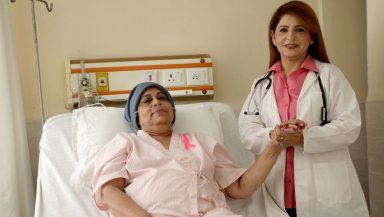
Caregiver support is essential during CAR-T therapy. Hospitals usually require a responsible adult to be available.
Caregivers help monitor symptoms, assist with daily needs, and communicate with doctors. They also provide emotional support.
Before treatment, caregivers should attend education sessions. Knowing what to watch for makes them confident and effective.
Common Questions to Ask Before Treatment
Patients should feel comfortable asking clear questions. Asking questions does not mean lack of trust. It shows involvement.
Important topics include expected side effects, emergency contact numbers, hospital stay duration, and recovery timeline.
Patients should also ask when it is safe to return to daily activities and whether driving restrictions apply.
Understanding expectations helps families plan realistically.
Preparing Emotionally for CAR-T Therapy
The emotional side of CAR-T therapy is often underestimated. Anxiety, fear, and uncertainty are common.
Talking openly with the care team helps. Counseling services are often available and can be very helpful.
Patients should give themselves permission to rest and accept help. Emotional strength is just as important as physical strength.
Planning for Life After Discharge
Even after leaving the hospital, close monitoring continues. Patients usually stay near the treatment center for several weeks.
Follow-up visits are frequent. Blood tests and exams help doctors track recovery and response.
Patients may feel tired, foggy, or weak for some time. This is normal and improves gradually.
Caregivers continue to play an important role during this phase.
Safety Rules After CAR-T Therapy
After treatment, certain safety rules apply. Patients are usually advised not to drive for several weeks.
Alcohol may be restricted. Certain medications may need adjustment.
Doctors provide clear written instructions. Following these guidelines helps prevent complications.
What to Do If Symptoms Appear at Home
Patients and caregivers receive a list of warning signs. Fever, confusion, severe headache, or unusual behavior require immediate medical attention.
It is important not to wait or self-treat serious symptoms. Early care prevents complications.
Keeping emergency contact information easily available is essential.
How Preparation Improves Outcomes
Patients who are well prepared tend to recognize symptoms earlier. They communicate better with doctors and recover more smoothly.
Preparation builds trust between patients, families, and care teams. It turns a complex treatment into a manageable journey.
Conclusion: Preparation Brings Confidence
Preparing for CAR-T therapy is about more than medical readiness. It is about understanding, planning, and emotional support.
When patients and families know what to expect, fear decreases and confidence grows. Preparation allows everyone to focus on healing and hope.
If you are preparing for CAR-T therapy, ask your care team for a written preparation checklist and caregiver guidance. Clear information is one of the strongest tools you have during treatment.