7 Surprising Benefits of SBRT That Patients Wish They Knew Earlier

Medicine Made Simple
Stereotactic Body Radiation Therapy (SBRT) is an advanced form of radiation treatment that delivers very precise, high-dose radiation to tumors in just a few sessions. Unlike traditional radiation, which takes several weeks, SBRT is faster and more targeted. This means it can destroy cancer cells effectively while reducing damage to nearby healthy tissues. Many patients are surprised to learn that SBRT is non-invasive, requires fewer hospital visits, and often has manageable SBRT side effects. Understanding these benefits can help patients and families feel more confident when considering treatment options.
Understanding SBRT in a Simple Way
When people hear the word “radiation,” they often imagine long treatments, frequent hospital visits, and difficult side effects. While this may be true for traditional radiation therapy, newer techniques like SBRT have changed the experience in many ways.
SBRT stands for Stereotactic Body Radiation Therapy. It is designed to deliver strong doses of radiation directly to a tumor with high accuracy. The aim is simple: destroy cancer cells while protecting as much healthy tissue as possible.
What makes SBRT different is not just the technology, but also how it affects the patient’s overall journey. Many patients who undergo SBRT later say they wish they had known about its advantages earlier.
Let us explore some of the most important benefits that often surprise patients.
Benefit 1: Treatment Is Completed in Just a Few Sessions
One of the biggest advantages of SBRT is the short treatment duration. Traditional radiation therapy may require daily sessions for several weeks. This can be tiring and time-consuming, especially for patients who have to travel long distances to reach an SBRT treatment center.
SBRT, on the other hand, is usually completed in one to five sessions. This means the entire treatment can be finished within a week or two.
Patients often feel relieved when they learn this. Fewer visits reduce stress, save time, and make it easier to manage daily life during treatment.
Benefit 2: High Precision Protects Healthy Tissues
SBRT is known for its accuracy.
Using advanced imaging and computer-guided systems, doctors can target the tumor very precisely. Radiation beams are delivered from multiple angles and meet at the tumor, concentrating the dose where it is needed most.
This precision helps reduce damage to surrounding healthy tissues. As a result, many patients experience fewer side effects compared to traditional radiation.
This benefit is especially important when the tumor is located near vital organs.
Benefit 3: Non-Invasive Treatment Option
SBRT does not involve surgery.
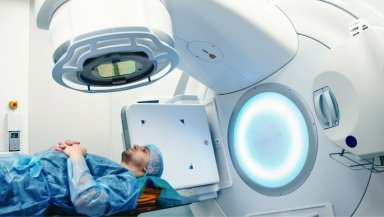
There are no cuts, stitches, or hospital stays. Patients lie on a treatment table while a machine delivers radiation to the tumor.
For patients who are not fit for surgery due to age or other health conditions, this is a major advantage. It provides an effective treatment option without the risks associated with surgical procedures.
Many patients appreciate the simplicity of the process. They can return home the same day after each session.
Benefit 4: Strong Effectiveness for Certain Cancers
SBRT has shown excellent results for several types of cancer. It is commonly used for lung, prostate, and liver cancers, especially when the tumors are small and well-defined. In some cases, the SBRT effectiveness offers outcomes similar to surgery. This effectiveness often surprises patients who assume that a non-surgical treatment may not be as powerful. Doctors carefully select patients for SBRT to ensure the best possible results.
Benefit 5: Reduced Side Effects for Many Patients
Side effects are a major concern for anyone undergoing cancer treatment.
Because SBRT is highly targeted, it often causes fewer side effects compared to traditional radiation. Most patients experience mild fatigue or slight discomfort in the treated area.
These effects are usually temporary and improve within a short time.
However, it is important to remember that side effects can vary depending on the location of the tumor and the patient’s overall health.
Still, many patients report that the treatment is easier to tolerate than they expected.
Benefit 6: Convenience for Busy Lives
Cancer treatment can disrupt daily routines.
Frequent hospital visits, long treatment schedules, and recovery time can make it difficult to manage work, family, and personal responsibilities.
SBRT offers a more convenient option. With fewer sessions and shorter treatment duration, patients can maintain a more normal routine.
This is especially helpful for working individuals or those who live far from treatment centers.
Patients often say this convenience reduces both physical and emotional stress.
Benefit 7: Option for Patients Who Cannot Undergo Surgery
Not all patients are suitable candidates for surgery.
Some may have underlying health conditions such as heart disease or lung problems. Others may prefer to avoid surgery due to personal reasons.
SBRT provides an alternative for these patients. It allows doctors to treat the tumor effectively without the need for an operation.
This expands treatment options and gives patients more flexibility in choosing their care plan.
Why Many Patients Wish They Knew Earlier
When patients look back on their treatment journey, many say they were not aware of SBRT as an option from the beginning.
Some assumed that radiation always meant long treatment schedules. Others believed surgery was the only effective solution.
Learning about SBRT earlier could have helped them explore more options and make decisions with greater confidence.
This highlights the importance of asking questions and discussing all available treatments with healthcare providers.
Is SBRT Right for Everyone?
While SBRT offers many benefits, it is not suitable for all patients.
It works best for small, well-defined tumors that have not spread widely. The location of the tumor also plays a role, as high-dose radiation must be delivered safely.
Doctors evaluate each case carefully before recommending SBRT. They consider factors such as tumor size, location, number of tumors, and overall health.
Patients should always discuss their options with a specialist to understand what is best for their situation.
What Should Patients Do Next?
Understanding the benefits of SBRT is an important step, but it is only part of the decision-making process.
Patients should take time to learn about their condition and ask their doctor about all available treatment options. This includes understanding the risks, benefits, and expected outcomes of each approach.
Being informed helps patients feel more in control and better prepared for treatment.
Conclusion
If you or a loved one has been diagnosed with cancer, do not hesitate to ask your doctor about SBRT and whether it could be a suitable option. Early awareness can open up more choices and help you find a treatment plan that fits your needs and lifestyle.
Take an active role in your care by discussing all possibilities with your healthcare team.
References and Sources