SBRT vs Traditional Radiation: What Patients Are Saying About Side Effects and Results
Medicine Made Simple
Stereotactic Body Radiation Therapy (SBRT) and traditional radiation therapy are two ways of using high-energy rays to treat cancer, but they work in different ways. SBRT delivers very precise, high-dose radiation in just a few sessions, while traditional radiation spreads smaller doses over several weeks. Many patients say SBRT feels faster and more convenient, with fewer side effects in some cases. Traditional radiation is still widely used and works well for many cancers. Understanding how these two approaches differ can help patients and families make informed decisions with their doctor.
Understanding Radiation Therapy in Simple Terms
Radiation therapy is one of the main treatments used for cancer. It works by damaging the DNA inside cancer cells so they can no longer grow or divide. Over time, these damaged cells die and are removed by the body.
Doctors carefully plan radiation so that it targets the tumor while protecting as much healthy tissue as possible. This balance is important because while radiation kills cancer cells, it can also affect nearby normal cells.
Over the years, radiation therapy has improved a lot. Newer techniques focus more on precision and patient comfort. This is why many people today hear about different types of radiation instead of just one standard method.
Two of the most commonly discussed options are traditional radiation therapy and SBRT. While both aim to treat cancer effectively, they differ in how they deliver radiation and how the treatment experience feels for patients.
What Is Traditional Radiation Therapy?
Traditional radiation therapy, often called external beam radiation therapy, has been used for many decades. It is still one of the most reliable and widely used cancer treatments.
In this method, radiation is given in small doses over a longer period. Patients usually visit the hospital five days a week for several weeks, often between four to six weeks depending on the treatment plan.
Each session is short, usually lasting only a few minutes. However, the overall treatment takes time because the radiation dose is divided into many smaller parts. This approach allows healthy tissues to recover between sessions, which helps reduce the risk of serious damage.
Traditional radiation is often used when the tumor is large, spread out, or located near important organs. It is also preferred when doctors want to treat a broader area, such as nearby lymph nodes.
Many patients describe this treatment as manageable but time-consuming. The routine of daily hospital visits can become tiring, especially for those who live far away or are already dealing with fatigue from cancer.
What Is SBRT and How Is It Different?
Stereotactic Body Radiation Therapy, or SBRT, is a more recent advancement in radiation treatment. It is designed to deliver very high doses of radiation with extreme accuracy at a specialized SBRT treatment center.
Instead of spreading treatment over many weeks, SBRT completes therapy in just one to five sessions. Each session delivers a powerful dose directly to the tumor while minimizing exposure to surrounding healthy tissues.
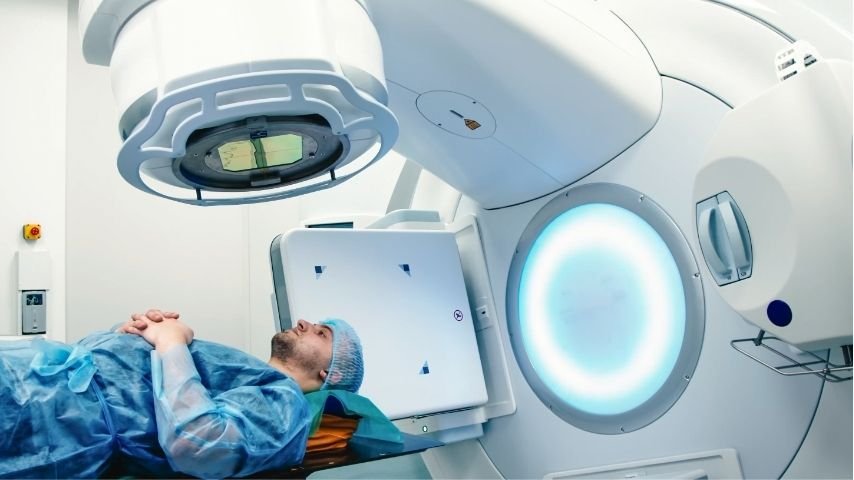
This precision is made possible by advanced imaging and computer-guided systems. Before treatment begins, detailed scans are used to map the exact location of the tumor. During treatment, the machine adjusts to ensure the radiation stays focused on the target, even if the body moves slightly due to breathing.
Patients often find SBRT more convenient because it reduces the number of hospital visits. However, because the doses are higher, careful planning is essential to ensure safety.
Key Differences Between SBRT and Traditional Radiation
The main difference between SBRT and traditional radiation lies in how the treatment is delivered. Traditional radiation uses smaller doses given over many sessions, while SBRT uses larger doses delivered in fewer sessions.
Another important difference is the level of precision. SBRT focuses tightly on the tumor, which helps protect nearby healthy tissues. Traditional radiation, although carefully planned, may cover a slightly larger area to ensure all cancer cells are treated.
Treatment duration is also very different. SBRT can be completed within a week, while traditional radiation may take several weeks. This difference can have a big impact on a patient’s daily life and overall treatment experience.
The choice between the two depends on factors such as tumor size, location, and the patient’s overall health.
What Patients Say About Their Treatment Experience
When patients share their experiences in online forums and support groups, certain patterns appear. Many patients who undergo SBRT appreciate how quickly the treatment is completed. They often mention that fewer hospital visits reduce stress and make it easier to continue with daily life.
Patients also describe SBRT sessions as straightforward. The process is painless, and the shorter treatment timeline helps them feel that they are moving forward quickly.
On the other hand, patients receiving traditional radiation often talk about adjusting to a routine. While the treatment itself is not painful, the repeated visits can become tiring over time. Some patients find comfort in the gradual approach, as it allows them to monitor how their body responds.
Overall, experiences vary depending on individual health, type of cancer, and personal preferences. Both treatments are generally well tolerated, but the journey can feel very different.
Side Effects: SBRT vs Traditional Radiation
Side effects are one of the most important factors patients consider when choosing a treatment.
SBRT-related side effects
SBRT is often associated with fewer side effects because of its precision. Since the radiation is focused tightly on the tumor, there is less impact on surrounding healthy tissues. Common SBRT side effects include mild fatigue and some discomfort in the treated area, which usually improve within a few days.
Traditional radiation side effects
Traditional radiation may cause more noticeable side effects over time because a larger area is exposed repeatedly. Patients may experience skin irritation, tiredness, or symptoms related to the specific area being treated. For example, radiation to the chest may cause a cough, while radiation to the abdomen may affect digestion.
It is important to understand that side effects vary widely. Some patients have very mild symptoms, while others may need additional support during treatment.
Short-Term and Long-Term Effects
Short-term side effects usually appear during or soon after treatment. With SBRT, these effects tend to be mild and resolve quickly. With traditional radiation, they may build up gradually over the weeks of treatment.
Long-term effects are less common but can occur with both methods. Because SBRT uses high doses, there is a small risk of damage if the tumor is close to sensitive organs. Traditional radiation may also lead to long-term changes due to repeated exposure over time.
Doctors carefully plan treatment to minimize these risks. They consider the location of the tumor and the surrounding organs before deciding the best approach.
Effectiveness: Which Treatment Works Better?
Both SBRT and traditional radiation are effective treatments, but their success depends on the specific situation.
SBRT has shown excellent results for small, well-defined tumors, especially in the lungs, liver, and prostate. Regarding SBRT effectiveness, in some cases, it offers outcomes similar to surgery, making it a strong option for patients who cannot undergo surgery. Traditional radiation remains the preferred choice for larger tumors or cancers that have spread to nearby areas. It allows doctors to treat a broader region, which can be important in more complex cases.
Rather than thinking of one as better than the other, it is more helpful to see them as different tools used for different situations.
Treatment Time and Daily Life Impact
One of the biggest practical differences between SBRT and traditional radiation is the time commitment.
SBRT allows patients to complete treatment in just a few sessions, which can be very helpful for those who have work or family responsibilities. It also reduces travel time and the stress of repeated hospital visits.
Traditional radiation requires a longer commitment. Daily visits over several weeks can affect routines and energy levels. However, some patients prefer this slower approach, as it gives them time to adjust and feel monitored throughout the process.
Cost and Accessibility
Cost can vary depending on the healthcare system and insurance coverage. SBRT may have a higher cost per session, but the total number of sessions is lower. Traditional radiation may appear less expensive per visit, but the total cost can increase due to the longer treatment period.
It is important for patients to discuss financial aspects with their healthcare provider and insurance company. Understanding coverage and out-of-pocket expenses can help avoid surprises.
Which Option Is Right for You?
Choosing between SBRT and traditional radiation is not a one-size-fits-all decision. It depends on the type of cancer, its size and location, and the patient’s overall health.
Doctors consider all these factors before recommending a treatment plan. Patients should feel comfortable asking questions and discussing their concerns.
Understanding the differences between these treatments can help patients feel more confident and involved in their care.
Conclusion
If you or a loved one is considering radiation therapy, take the time to speak with a radiation oncologist about both SBRT and traditional radiation options. Ask how each treatment applies to your specific condition and what outcomes you can expect. Making an informed decision can help you feel more prepared and in control of your cancer journey.
References and Sources