Choosing the Right Cancer Center for SBRT: What Patients Regret Not Checking

Medicine Made Simple
Stereotactic Body Radiation Therapy (SBRT) is a precise cancer treatment that requires advanced technology and expert planning. Choosing the right cancer center is important because it can affect treatment accuracy, safety, and outcomes. Many patients later realize they did not check key factors such as the center’s experience, technology, doctor expertise, and support services. A good cancer center offers not just treatment but also guidance, communication, and follow-up care. Understanding what to look for helps patients and families make better decisions and avoid common regrets regarding SBRT side effects.
Why Choosing the Right Cancer Center Matters
When patients are diagnosed with cancer, the focus is often on starting treatment quickly. In this process, the choice of hospital or cancer center may not get enough attention.
However, for treatments like SBRT, the quality of the center plays a very important role. SBRT is not just about delivering radiation. It requires accurate imaging, careful planning, and experienced professionals.
Even small differences in how treatment is planned and delivered can affect results and overall SBRT effectiveness. This is why choosing the right cancer center is not just a preference but a critical part of care. Patients who take time to evaluate their options often feel more confident and satisfied with their treatment journey.
Understanding What Makes SBRT Different
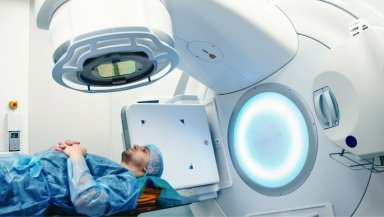
SBRT is a highly specialized form of radiation therapy. It delivers strong doses of radiation with extreme precision.
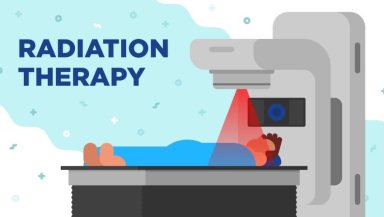
This level of precision depends on advanced machines, detailed imaging, and skilled teams. Not all centers have the same level of experience or equipment when performing SBRT vs radiation therapy.
Because SBRT uses high-dose radiation, accuracy is essential to avoid damage to nearby healthy tissues. This makes the choice of center even more important.
Patients should understand that not all radiation centers offer the same level of expertise in SBRT.
Experience of the Medical Team
One of the most important factors to consider is the experience of the doctors and the treatment team.
Radiation oncologists who have handled many SBRT cases are more familiar with different tumor types and treatment challenges. Their experience helps them make better decisions during planning and delivery.
Patients often regret not asking about the doctor’s experience. Knowing how many SBRT cases the team has handled can provide reassurance.
It is also helpful to know whether the center has a dedicated team for SBRT, including physicists and technicians trained in advanced radiation techniques.
Technology and Equipment Used
SBRT relies heavily on technology.
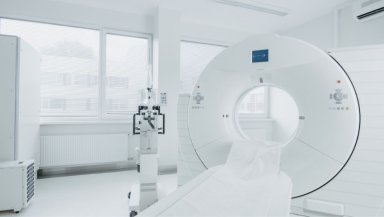
Modern machines with advanced imaging and tracking systems allow doctors to deliver radiation accurately, even if the tumor moves slightly due to breathing.
Centers with updated equipment are better equipped to provide precise treatment. Older machines may not offer the same level of accuracy.
Patients often realize later that they did not ask about the type of technology used. Understanding this can make a difference in treatment quality.
Treatment Planning and Personalization
Every patient’s cancer is different. This means that treatment should be customized.
A good cancer center spends time creating a detailed treatment plan based on the patient’s specific condition. This includes tumor size, location, and overall health.
Patients should feel that their treatment is personalized and not based on a standard approach.
Centers that involve patients in the planning process and explain the steps clearly often provide a better overall experience.
Communication and Patient Support
Clear communication is an important part of cancer care.
Patients often regret choosing centers where they felt rushed or where their questions were not answered properly. Understanding the treatment plan and having open communication with the medical team builds trust.
Support services are also important. These may include counseling, nutrition advice, and help with managing side effects.
A center that offers strong support services can make the treatment journey smoother for both patients and their families.
Availability of Follow-Up Care
Treatment does not end after the last session.
Follow-up care is essential to monitor the patient’s progress and detect any changes early. This may include regular scans and consultations.
Some patients regret not checking whether the center provides long-term follow-up care. Having a consistent medical team for follow-up can improve continuity of care.
Patients should ask how often follow-ups are scheduled and what they involve.
Location and Accessibility
The location of the cancer center can affect the overall experience.
While SBRT requires fewer visits than traditional radiation, patients still need to travel for consultations, treatment sessions, and follow-ups.
Choosing a center that is accessible can reduce travel stress. However, some patients may choose to travel farther for a center with more experience or better facilities.
Balancing convenience with quality is an important part of the decision.
Patient Reviews and Real Experiences
Hearing from other patients can provide valuable insights.
Patient reviews often highlight aspects that are not always visible during initial consultations. These may include staff behavior, waiting times, and overall care quality.
Many patients later say they wish they had paid more attention to reviews and feedback before choosing a center.
While reviews should not be the only factor, they can help in understanding what to expect.
Cost Transparency and Financial Guidance
Understanding the cost of treatment is important.
A good cancer center provides clear information about SBRT cost, including consultations, treatment sessions, and follow-up care. Patients should feel comfortable asking for a detailed estimate.
Some centers offer financial counseling to help patients understand insurance coverage and payment options.
Patients often regret not discussing costs in advance, which can lead to unexpected expenses later.
Common Regrets Patients Share
Many patients share similar regrets when looking back at their treatment decisions.
Some say they chose the nearest center without checking its experience. Others mention that they did not ask enough questions or did not fully understand the treatment process.
A few patients feel they could have had a better experience if they had compared multiple centers before making a decision.
These insights highlight the importance of taking time to research and ask questions.
How to Make a Confident Choice
Choosing the right cancer center requires careful consideration.
Patients should gather information about the center’s experience, technology, and support services. Visiting the center, speaking with doctors, and asking questions can help in making an informed decision.
It is also helpful to involve family members in the process. They can provide support and help evaluate options.
Taking these steps can reduce uncertainty and improve confidence in the chosen treatment plan.
Conclusion
If you or a loved one is considering SBRT, take the time to research and compare cancer centers before starting treatment. Ask about experience, technology, and patient support services.
Making the right choice can improve not only treatment outcomes but also your overall experience during this important journey.
References and Sources