Bone TB: Causes, Symptoms, Treatment, and Best Recovery Methods
Medicine Made Simple
Tuberculosis (TB) is commonly known as a lung infection, but many people do not realize that it can also affect the bones. This condition is called Bone TB or skeletal tuberculosis. It happens when the tuberculosis bacteria spread from the lungs or other infected areas to the bones and joints.
Bone TB can cause severe pain, swelling, stiffness, and weakness. If left untreated, it may lead to permanent bone damage, joint destruction, and even disability.
Understanding Bone TB early is very important because treatment can be highly effective when started on time. In this guide, we’ll explain the causes of Bone TB, symptoms, treatment options, recovery tips, and when you should seek medical help.
Let’s begin.
Quick Summary: Best Ways to Manage Bone TB
- Bone TB is a form of tuberculosis that affects bones and joints
- It commonly affects the spine, hips, knees, and long bones
- Early symptoms include pain, swelling, weakness, and stiffness
- Diagnosis usually involves X-rays, MRI, blood tests, and biopsy
- Anti-tuberculosis medicines are the main treatment
- Proper nutrition and rest help improve recovery
Early treatment prevents serious complications like deformity and disability
Why Bone Health Matters in Tuberculosis
Bones provide structure, movement, and support for the entire body. When tuberculosis affects the bones, it weakens the skeletal system and makes daily life difficult.
Bone TB most commonly affects:
- Spine (Spinal TB)
- Hips
- Knees
- Ankles
- Shoulders
- Long bones of arms and legs
The spine is the most commonly affected area, which may lead to lower back pain, posture problems, and nerve complications if untreated.
Healthy bones are essential for:
- Walking and movement
- Joint flexibility
- Strong posture
- Pain-free daily activities
- Preventing fractures and deformities
That is why understanding Bone TB and treating it early is extremely important.
Common Causes of Bone TB
1. Spread of Tuberculosis Infection
Bone TB usually develops when TB bacteria spread from the lungs through the bloodstream to the bones.
This is called secondary tuberculosis.
Common Source
People with untreated pulmonary TB are at higher risk.
2. Weak Immune System
A weak immune system makes it easier for TB bacteria to spread and grow.
High-Risk Groups
- People with diabetes
- HIV patients
- Elderly individuals
- Malnourished people
- Patients on long-term steroids
3. Poor Nutrition
Lack of proper nutrition weakens immunity and increases the risk of tuberculosis infection. Vitamin D deficiency may also affect overall bone health and recovery.
Low body weight and protein deficiency are common risk factors.
4. Close Contact with TB Patients
Living with someone who has active tuberculosis increases the chances of infection.
This is especially important in crowded living conditions.
5. Delayed Treatment of TB
Incomplete or delayed treatment of regular TB can allow the infection to spread to bones.
Stopping medicines early is a major risk factor.
6. Previous TB History
People who had TB in the past may have a higher chance of recurrence in bones if immunity becomes weak.
7. Chronic Illness
Kidney disease, cancer, and other long-term illnesses may increase vulnerability to Bone TB.
7 Effective Ways to Manage Bone TB
1. Start Anti-TB Medicines Early
The most important treatment for Bone TB is anti-tuberculosis medication.
Early treatment helps stop the infection before it causes permanent damage.
Important Note
Treatment usually continues for 6 to 12 months or longer depending on severity.
Never stop medicines without your doctor’s advice.
2. Get Proper Rest
Rest helps reduce pressure on affected bones and supports healing.
This is especially important in spinal TB cases.
Best Practice
Avoid heavy lifting and excessive physical activity during recovery.
3. Follow a High-Protein Diet
Good nutrition improves immunity and helps bones recover faster. A healthy diet for bone fracture healing may also support bone strength during recovery.
Helpful Foods
- Eggs
- Milk
- Lentils
- Nuts
- Chicken
- Fish
- Fruits and vegetables
Protein and calcium are especially important.
4. Maintain Medicine Consistency
Skipping TB medicines can lead to drug resistance, which makes treatment much harder.
Golden Rule
Take medicines at the same time every day without missing doses.
5. Physiotherapy Support
After pain improves, physiotherapy helps restore movement, strength, and flexibility.
This is useful for joint TB and spinal recovery.
6. Regular Medical Follow-Up
Follow-up scans and doctor visits help track healing and ensure the infection is fully treated.
Monitoring is essential for long-term success.
7. Surgery in Severe Cases
Sometimes surgery may be needed if there is severe bone damage, deformity, nerve compression, or abscess formation.
Doctors decide this based on imaging and symptoms.
Table: Quick Home Support for Bone TB Recovery
| Support Method | How It Helps | Usage Instructions |
|---|---|---|
| Anti-TB Medicines | Kills TB bacteria | Take regularly as prescribed |
| Rest | Supports bone healing | Avoid heavy physical strain |
| High-Protein Diet | Improves recovery | Include daily nutritious meals |
| Physiotherapy | Restores mobility | Start under medical advice |
| Regular Checkups | Tracks treatment progress | Follow doctor appointments |
Symptoms of Bone TB
Bone TB symptoms often develop slowly, which makes early diagnosis difficult.
Common Signs Include
- Persistent bone pain
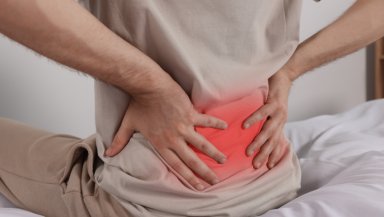
- Back pain (especially spinal TB)
- Swelling near joints
- Joint stiffness
- Difficulty walking
- Weakness in limbs
- Low-grade fever
- Night sweats
- Weight loss
- Loss of appetite
- Fatigue
These symptoms should not be ignored, especially if they continue for weeks.
When to Seek Medical Help
Early medical care prevents serious complications like paralysis, bone collapse, and permanent deformity.
Consult a doctor if you experience:
- Severe back pain lasting weeks
- Swelling around bones or joints
- Difficulty walking
- Numbness or leg weakness
- Unexplained weight loss
- Fever with bone pain
- Previous TB history with new symptoms
- Persistent pain that does not improve
Prompt diagnosis improves treatment success.
Best Medicines for Bone TB
Bone TB treatment mainly depends on anti-tuberculosis drugs.
Commonly Recommended Medicines Include
Isoniazid
A key medicine used to kill TB bacteria.
Rifampicin
Helps stop bacterial growth and supports complete treatment.
Pyrazinamide
Often used during the initial intensive treatment phase.
Ethambutol
Used as part of combination therapy to prevent resistance.
Pain Relief Medicines
Doctors may also prescribe pain relievers for symptom management. Treatment must always be supervised by a medical professional.
Conclusion
Bone TB is a serious but treatable condition when diagnosed early. It may begin with simple pain or swelling, but ignoring symptoms can lead to major complications like deformity, mobility problems, and disability.
The good news is that proper anti-TB treatment, rest, nutrition, and regular follow-up can lead to full recovery in many cases. Early diagnosis is the key to protecting your bones and preventing long-term damage.
If you notice persistent bone pain, weakness, or swelling—especially with fever or weight loss—seek medical attention without delay.
Taking action early can make all the difference.
Frequently Asked Questions
Is Bone TB curable?
Yes, Bone TB is usually curable with proper anti-TB medicines and early treatment.
Can Bone TB spread to other people?
Bone TB itself is usually not contagious, but if lung TB is also present, the infection may spread.
How long does Bone TB treatment take?
Treatment usually lasts 6 to 12 months or longer depending on severity.
Is surgery necessary for Bone TB?
Not always. Surgery is only needed in severe cases with deformity, abscess, or nerve pressure.
Can Bone TB cause paralysis?
Yes, spinal TB can cause nerve compression and paralysis if left untreated.
What is the first symptom of Bone TB?
Persistent pain in bones or joints is often the earliest warning sign.