White Tongue: Causes, Symptoms, Treatment, and Best Ways to Get Relief
Medicine Made Simple
Quick Summary: Best Ways to Manage White Tongue
- White tongue happens when debris, bacteria, or dead cells build up on the tongue
- Poor oral hygiene is one of the most common causes
- Dehydration and dry mouth can worsen white coating
- Gentle tongue cleaning helps remove buildup
- Drinking enough water supports oral health
- Avoid smoking, alcohol, and spicy irritants
- Seek medical help if the white coating lasts for weeks or causes pain
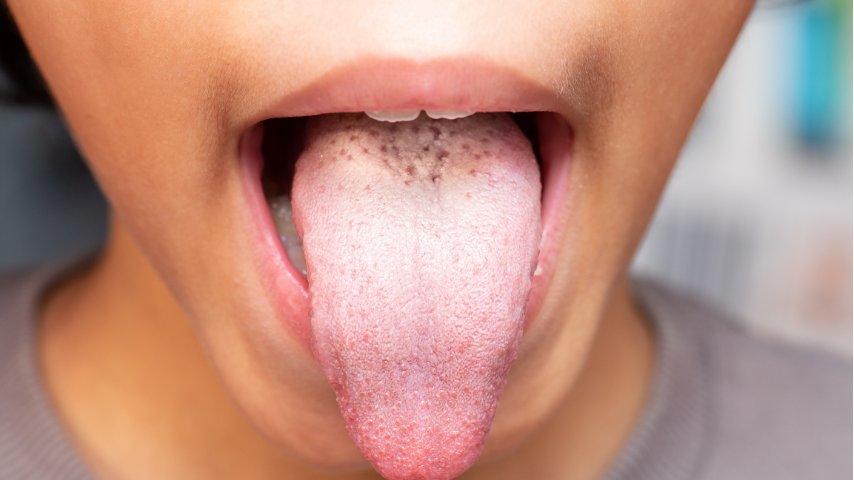
A white tongue is a common oral health issue where the surface of the tongue develops a white coating or patches. While it often happens because of poor oral hygiene or dehydration, sometimes it may signal infections, digestive issues, vitamin deficiencies, or other health conditions.
Many people notice white tongue along with bad breath, dry mouth, or an unusual taste in the mouth. In some cases, the white coating can be harmless and temporary, while in others it may need proper medical attention.
Understanding the reason behind white tongue is important because treatment depends on the underlying cause. Simple daily habits like better oral care and hydration can often provide quick improvement, especially in people with Vitamin D Deficiency.
In this guide, we’ll explain the common causes of white tongue, symptoms to watch for, treatment options, home remedies, and when medical help becomes necessary.
Let’s begin.
Synopsis
- Why Tongue Health Matters
- Common Causes of White Tongue
- 7 Effective Ways to Relieve White Tongue
- Table: Quick Home Remedies for White Tongue
- Symptoms of White Tongue
- When to Seek Medical Help
- Best Medicines for White Tongue
- Frequently Asked Questions
- Conclusion
Why Tongue Health Matters
Your tongue plays an important role in speaking, tasting, swallowing, and overall oral health. A healthy tongue is usually pink with a light natural coating.
When the tiny bumps on the tongue called papillae become swollen or trap bacteria, food particles, and dead cells, a white coating may appear.
Healthy tongue care helps with:
- Fresh breath
- Better digestion
- Improved taste sensation
- Stronger oral hygiene
- Reduced infection risk
- Better overall mouth health
Ignoring tongue problems may lead to infections, discomfort, and long-term oral issues.
That is why understanding white tongue and treating it early is important.
Common Causes of White Tongue
1. Poor Oral Hygiene
This is the most common reason for white tongue.
Not brushing properly or skipping tongue cleaning allows bacteria and debris to build up.
Common Signs
- White coating on tongue
- Bad breath
- Dry mouth
- Unpleasant taste
2. Dehydration
When the body lacks enough water, saliva production decreases.
This creates dry mouth and makes white coating more noticeable. In some cases, dehydration may also contribute to concerns related to foamy urine causes.
3. Oral Thrush
Oral thrush is a fungal infection caused by Candida yeast.
It often creates thick white patches on the tongue and inside the mouth.
Warning Signs
- Painful white patches
- Burning sensation
- Difficulty swallowing
- Mouth soreness
This needs medical treatment.
4. Smoking and Tobacco Use
Smoking irritates the mouth and encourages bacteria buildup, leading to white tongue and bad breath.
5. Fever or Illness
Digestive conditions linked to irritable bowel syndrome symptoms may also affect overall digestive health.
6. Vitamin Deficiency
Low levels of Vitamin B12, iron, or folic acid may affect tongue health and cause changes in tongue appearance.
7. Leukoplakia
This is a condition where thick white patches develop due to irritation, often linked with smoking or chewing tobacco.
Medical evaluation is important because some cases need further testing.
7 Effective Ways to Relieve White Tongue
1. Brush and Clean Your Tongue Daily
Gentle tongue cleaning removes bacteria, food particles, and dead cells.
Best Practice
- Use a tongue cleaner or soft toothbrush every morning and night
- Avoid harsh scraping
2. Stay Hydrated
Drinking enough water improves saliva production and reduces dry mouth.
Simple Rule
- Drink plain water regularly throughout the day
Proper hydration supports better oral hygiene.
3. Improve Oral Hygiene
Good mouth care helps prevent repeated white coating.
Healthy Habits
- Brush twice daily
- Floss regularly
- Use mouthwash if needed
- Replace old toothbrushes
Consistency matters.
4. Avoid Smoking and Alcohol
Smoking and alcohol irritate the mouth and worsen white tongue.
Reducing or stopping these habits improves oral health quickly.
5. Rinse with Warm Salt Water
Salt water helps reduce bacteria and soothe mild irritation.
How to Use
- Gargle gently once or twice daily
This is a simple home remedy.
6. Eat a Balanced Diet
Good nutrition supports mouth health and prevents vitamin deficiencies.
Helpful Nutrients
- Vitamin B12
- Iron
- Folic acid
- Vitamin C
- Zinc
Fresh fruits and vegetables are especially helpful.
7. Treat the Underlying Cause
If the problem is caused by thrush, fever, digestive issues, or deficiency, treating the real cause gives long-term relief.
Quick Home Remedies for White Tongue
- Tongue Cleaning
- Removes buildup
- Daily gentle cleaning
- Hydration
- Reduces dry mouth
- Drink water regularly
- Salt Water Rinse
- Reduces bacteria
- Gargle once or twice daily
- Better Oral Hygiene
- Prevents recurrence
- Brush and floss daily
- Healthy Diet
- Supports recovery
- Include vitamins and minerals
Symptoms of White Tongue
Recognizing symptoms early helps identify when medical care is needed.
Common Signs Include:
- White coating on tongue
- Thick white patches
- Bad breath
- Dry mouth
- Burning sensation
- Bad taste in mouth
- Difficulty swallowing
- Tongue sensitivity
- Mouth soreness
- Red patches after scraping
Persistent symptoms should not be ignored.
When to Seek Medical Help
Some mild cases improve with home care, but certain warning signs need professional treatment.
Consult a doctor if you experience:
- White tongue lasting more than 2 weeks
- Painful white patches
- Difficulty swallowing
- Mouth sores
- Bleeding from the tongue
- Fever with mouth symptoms
- White patches spreading inside the mouth
- No improvement after better oral care
These may indicate oral thrush, infection, leukoplakia, or other conditions needing medical evaluation.
Early diagnosis improves treatment success.
Best Medicines for White Tongue
Treatment depends on the underlying cause.
Commonly Recommended Medicines Include:
- Antifungal Medicines
Used for oral thrush caused by fungal infection - Mouthwash Solutions
Helpful for reducing bacteria and improving oral hygiene - Vitamin Supplements
Used when deficiency of B12, iron, or folic acid is present - Saliva Substitutes
Helpful for severe dry mouth cases - Dental Cleaning
Professional cleaning may be recommended for stubborn oral buildup
Always consult your doctor or dentist before using medicines.
Frequently Asked Questions
1. Is white tongue serious?
Usually it is not serious, but persistent white patches may need medical evaluation.
2. Can dehydration cause white tongue?
Yes, dry mouth caused by dehydration commonly leads to white coating on the tongue.
3. Does white tongue mean infection?
Sometimes yes, especially in oral thrush or other mouth infections.
4. How do I remove white tongue naturally?
Tongue cleaning, hydration, salt water rinsing, and better oral hygiene often help.
5. Can vitamin deficiency cause white tongue?
Yes, low Vitamin B12, iron, and folic acid may affect tongue appearance.
6. When should I worry about white tongue?
If it lasts more than 2 weeks, causes pain, or spreads inside the mouth, medical care is important.
Conclusion
White tongue is a common oral issue that is often linked to poor oral hygiene, dehydration, or minor infections. In many cases, simple habits like daily tongue cleaning, better hydration, and good oral care can provide fast improvement.
However, persistent white patches or painful symptoms should never be ignored, as they may indicate infection or other health conditions.
Taking care of your tongue is an important part of overall health. A healthy mouth supports better confidence, digestion, and long-term wellness.
Small daily habits create big oral health results.