






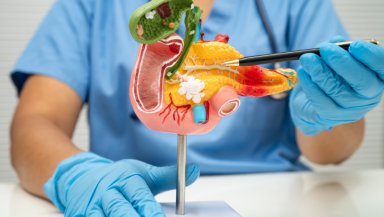

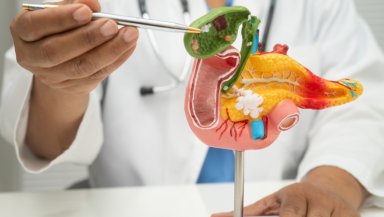
Biliary stents are tubes placed within the ductal system to keep passages open and facilitate the healthy flow of bile.


Table of Contents 
- Introduction
- What Is Palliative Biliary Stenting?
- Why Is Palliative Biliary Stenting Done?
- Right Candidate for Palliative Biliary Stenting
- Who May Not Be Suitable for Palliative Biliary Stenting?
- Palliative Biliary Stenting Procedure
- During the Procedure
- After Palliative Biliary Stenting
- Risks & Complications of Palliative Biliary Stenting
- Benefits of Palliative Biliary Stenting
- Why Choose Gleneagles Hospitals for Palliative Biliary Stenting?
- Conclusion
Introduction
Cancers of the gallbladder and bile ducts often block the liver's drainage system. Bile, the fluid used for digestion, normally travels through ducts to the intestine. A tumour can press on these ducts, blocking bile flow and causing it to build up in the blood, which may be seen in advanced conditions such as inoperable liver cancer. This leads to jaundice, itching, and fatigue, which can be very difficult for the patient to manage.
To help, doctors often suggest palliative biliary stenting. A small tube (stent) is placed in the duct to open the blockage. Although this does not remove the cancer, it allows bile to flow again. This procedure is commonly used to reduce symptoms and improve your daily comfort when surgery to remove the tumour is not possible.
What Is Palliative Biliary Stenting?
Palliative biliary stenting is a minimally invasive endoscopic or interventional radiology procedure used to open a bile duct that has been blocked by a tumour. A small tube, known as a stent, is placed inside the duct to keep it open and allow bile to flow correctly.
If a tumour is growing inside or around the duct, bile can no longer travel from the liver to the intestine. The stent creates a new path through this blockage. These tubes are made of metal or plastic and stay in place permanently.
Why Is Palliative Biliary Stenting Done?
Palliative biliary stenting is recommended when a tumour causes obstruction in the bile ducts. This blockage prevents bile from draining properly from the liver into the intestine, which can lead to several uncomfortable symptoms. This procedure is used to relieve these problems and to stop further health issues caused by a build-up of bile.
You may be offered this treatment if you have:
A blocked duct caused by gallbladder cancer
- A blockage due to bile duct cancer
- Yellowing of the skin (jaundice) from tumour pressure
- Severe itching caused by bile in the blood
- Repeated infections in the bile ducts
- A tumour that cannot be removed by surgery
- A need for better bile flow to help other treatments
Right Candidate for Palliative Biliary Stenting
Your medical team will decide if this procedure is right for you by looking at your symptoms, your general health, and your scan results. You may be considered for a palliative stent if you have a blocked bile duct caused by gallbladder cancer, bile duct cancer that stops bile from draining normally, jaundice due to a tumour, itching or discomfort from a build-up of bile, and a need for symptom relief to help you feel more comfortable.
Your health matters – get expert advice today.
Who May Not Be Suitable for Palliative Biliary Stenting?
In some cases, other types of care are more appropriate for the patient’s needs.
A stent might not be the right choice if the patient:
- Has a serious infection that needs treatment first
- Is medically unstable at the time
- Has widespread cancer that a stent cannot help with
- Has a bleeding disorder that makes the procedure risky
- Cannot tolerate the sedation needed for the procedure
If this happens, the medical team will explain other ways to help.
Palliative Biliary Stenting Procedure
Specialist doctors perform this procedure in a monitored room to ensure patient safety. Before we begin, the doctor will talk to the patient about the benefits of the stent and any possible risks. The nursing and medical team will check the patient's history, scans, and blood tests. To prepare the patient, the doctor must ensure the patient:
- Have not eaten or drunk anything for the required time.
- Have reported any blood-thinning medications they are taking.
- Mention any allergies to sedation.
- Have someone take them home if they are leaving the same day.
These steps are vital for a safe procedure and a smooth recovery.
During the Procedure
This procedure uses sedation to keep the patient comfortable. Doctors reach the bile duct using a flexible tube through the mouth or a needle through the skin. Using scans, a stent is placed to open the blockage. The procedure usually takes thirty to sixty minutes. Throughout the procedure, the patient's oxygen levels, heart rate, and blood pressure are closely monitored.
After Palliative Biliary Stenting
After your procedure, you will stay in a recovery area while the sedation wears off. Our staff will check on you regularly to ensure you are comfortable. You can usually start drinking water once you are fully awake and the team says it is safe.
You may feel better quite quickly. Itching often eases within a few days as bile drains normally. The yellowing of your skin and eyes will also start to fade as your body clears the built-up bile.
Afterwards, you might experience:
- Mild stomach discomfort
- A feeling of sickness
- Tiredness from the sedation
- A sore throat if a camera was used
Most people go home the same day, though some may stay overnight to ensure a safe recovery.
Risks & Complications of Palliative Biliary Stenting
Palliative biliary stenting is generally a secure process when managed by a specialist team. However, patients should be informed of certain possible outcomes.
Associated risks include:
- Infection within the biliary ducts
- Haemorrhaging during or after the procedure
- Inflammation affecting the pancreas
- Gradual blockage of the stent device
- Stent displacement or transit
- Brief abdominal discomfort
Healthcare professionals observe patients throughout to ensure any issues are resolved at an early stage.
Benefits of Palliative Biliary Stenting
This is an important clinical procedure for managing advanced gallbladder or bile duct cancers.
The procedure aims to:
- Resolve the bile duct obstruction
- Lessen the effects of jaundice
- Calm the itching from bile retention
- Lower the risk of duct infections
- Restore bile flow for better digestion
- Improve overall patient well-being
As the procedure is minimally invasive, recovery is usually much faster than with major surgical work.
Why Choose Gleneagles Hospitals for Palliative Biliary Stenting?
Gleneagles Hospitals offers biliary stenting as a palliative service within our hepatobiliary units. Our specialists are trained in the latest interventional and endoscopic medical techniques.
Facilities available at the hospital include:
- High-performance endoscopy and imaging tools
- Specialist hepatobiliary and gastrointestinal staff
- Continuous monitoring during clinical work
- Support from nursing and anaesthesia
- Full laboratory and imaging diagnostics
- Professional post-procedural patient care
We provide comprehensive guidance before the procedure and maintain careful monitoring during the recovery period.
Conclusion
Biliary stenting is a palliative intervention designed to clear ductal blockages associated with gallbladder or bile duct tumours. Restoring bile flow through a stent helps mitigate symptoms like jaundice and pruritus.
Although it does not treat the primary malignancy, it is vital for enhancing patient well-being. Most patients recover quickly due to the non-surgical technique. This procedure is recommended to alleviate symptoms and facilitate further supportive care.

Dr Naveen Chandrashekhar
Consultant Interventional Radiologist
Qualification: MBBS, MD, FVIR (Tata Mumbai)

Dr Shailesh Shrikhande
Director & Head - Surgical Oncology
MS,MD,FRCS (England)-Honorary,FRCS (Edinburgh)-Honorary,FACS-Honorary,FASA-Honorary
Explore Our Blogs
View All Medical Gastroenterology
Why Is Palliative Biliary Stenting Needed? Understanding Jaundice Relief in Cancer Patients
 Medical Gastroenterology
Why Did My Biliary Stent Fail? Common Reasons for Repeat Procedures and Blockage
Frequently Asked Questions
What is a biliary stent?
Is palliative biliary stenting a cure for cancer?
No. Stenting is used to improve symptoms and quality of life rather than to remove the underlying cancer.
How long does the procedure take?
The estimated duration is 30 to 60 minutes, though this is subject to the blockage's technical requirements.
How soon will symptoms improve after stenting?
You may notice relief from itching within a few days. Jaundice typically takes a little longer to fade as bile flows again.
Can the stent become blocked again?
Occasionally, a stent may require further attention. If a blockage recurs, our specialists can replace or adjust the device as needed.

