7 Medical Reasons Liver Tumors Are Considered “Inoperable” (And What They Actually Mean)
Medicine Made Simple
When doctors say a liver tumor is “inoperable,” it does not mean treatment is impossible. It simply means surgery is not the safest or most effective option at that time. This decision depends on several medical factors like tumor size, number, location, spread, and liver health. Many patients misunderstand this term and feel it is the end of treatment. In reality, other inoperable liver cancer treatment may still work, and sometimes tumors can become operable later. Understanding these reasons in simple terms can help patients feel more informed, less anxious, and better prepared to make decisions.
Understanding What “Inoperable” Really Means
The word “inoperable” can sound frightening. Many people think it means nothing can be done. But in medical terms, it simply means surgery is not the right option right now.
Doctors use this term when removing the tumor may be unsafe or may not improve the patient’s condition. It is not a final judgment. It is a decision based on safety and effectiveness.
This is important to understand. Because once patients know this, they can focus on what can be done instead of what cannot.
Why Surgery for Liver Tumors Is Not Always Simple
The liver is a vital organ. It performs many important functions like filtering toxins and helping digestion.
Unlike some other organs, the liver cannot be removed completely. Doctors must leave behind enough healthy liver for the body to survive.
Also, many patients with liver cancer already have liver damage. This makes surgery more risky.
So the decision is not just about removing the tumor. It is about protecting the patient’s overall health.
The 7 Medical Reasons Liver Tumors Are Considered Inoperable
Let us now look at the most common reasons, explained in simple language.
1. The Tumor Is Too Large
When a tumor grows very large, removing it may require taking out a big part of the liver.
If too much liver is removed, the remaining liver may not function properly. This can lead to liver failure.
So even if surgery is technically possible, it may not be safe.
2. There Are Multiple Tumors
Sometimes there is not just one tumor, but many.
Removing multiple tumors may require removing large portions of the liver. This increases the risk.
Doctors must ensure that enough healthy liver remains after surgery. If that is not possible, the tumor is considered inoperable.
3. The Tumor Is in a Difficult Location
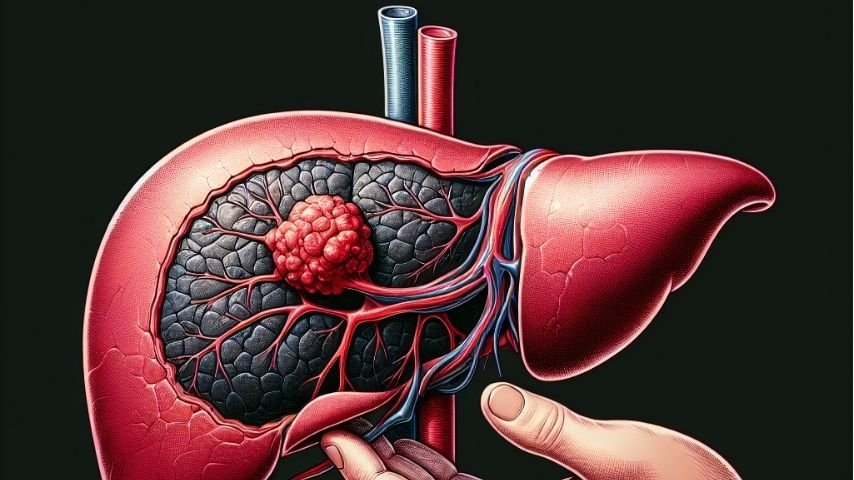
Some tumors are located near major blood vessels.
These vessels carry blood in and out of the liver. Damaging them can be life-threatening.
Even a skilled surgeon may avoid operating in such high-risk areas.
So location plays a very important role.
4. The Cancer Has Spread Outside the Liver
If the cancer has spread to other parts of the body, surgery may not be helpful.
Removing the tumor from the liver will not treat cancer in other areas.
In such cases, doctors prefer treatments that work throughout the body.
5. The Liver Is Already Damaged
This is one of the most important reasons.
Many patients with liver cancer also have cirrhosis or other liver diseases.
A damaged liver cannot handle surgery well. Even removing a small part can cause serious problems.
So doctors must first assess liver function before deciding on surgery.
6. The Tumor Involves Major Blood Vessels
Sometimes the tumor grows into or around important blood vessels.
This makes surgery very complex and risky.
In such cases, the chances of complications are high, and surgery may not be the best option.
7. The Patient’s Overall Health Is Weak
Doctors also consider the patient’s general health.
If a patient is very weak or has other serious medical conditions, surgery may be too risky.
The goal is always to choose a treatment that the patient can tolerate safely.
What These Reasons Actually Mean for Patients
Hearing these reasons can feel discouraging. But it is important to understand what they really mean.
They do not mean that treatment is over. They simply mean that surgery is not the best option at this time.
Doctors are trying to choose the safest and most effective path.
Patients should see this as a change in approach, not the end of care.
Can These Conditions Change Over Time?
Yes, and this is where hope comes in.
Some treatments can shrink tumors or control their growth.
If the tumor becomes smaller or moves away from critical areas, surgery may become possible later.
This process is called downstaging.
There are real cases where patients were first told their tumors were inoperable but later had successful surgery.
So the situation is not always fixed.
Why Many Patients Feel Confused
Many patients say they were told their tumor is inoperable without a detailed explanation of their liver cancer symptoms. This creates fear and confusion. Medical language can be difficult to understand. Doctors may not always have enough time to explain everything in simple terms. As a result, patients often turn to the internet for answers. This shows how important clear communication is.
What Patients Should Ask Their Doctor
Patients should feel comfortable asking questions.
They should ask why the tumor is considered inoperable. They should ask if this can change in the future.
It is also important to ask about other treatment options.
Clear answers can help patients feel more confident and less anxious.
Other Treatment Options Still Exist
Even if surgery is not possible, there are other treatments available.
These treatments can help control the tumor and improve quality of life.
Some treatments act directly on the tumor. Others work throughout the body.
Doctors choose these treatments based on the patient’s condition.
Patients should always ask about all available options.
The Importance of a Second Opinion
Getting a second opinion liver cancer consultation can be very helpful.
Different doctors may have different experiences and approaches.
Some hospitals specialize in complex liver cases and may offer advanced treatments.
A second opinion can provide clarity and sometimes new options.
Common Misunderstandings About Inoperable Tumors
Many people think inoperable means untreatable. This is not true.
Some believe it is a final decision. But in many cases, it can change over time.
Others think all doctors will say the same thing. This is also not always correct.
Understanding these points can reduce fear and help patients stay informed.
Moving Forward with Confidence
The most important step is to stay informed.
Patients should focus on understanding their condition and exploring options.
They should work closely with their doctors and ask questions whenever needed.
Medical science is improving every day. New treatments are becoming available.
A clear and informed approach can make a big difference.
Conclusion
If you or your loved one has been told that a liver tumor is inoperable, do not assume it is the final answer. Ask your doctor to explain the reason clearly. Explore all treatment options. Consider getting a second opinion from a specialist center. Understanding your condition is the first step toward better decisions and better outcomes. Take action today by asking questions and staying informed.
References and Sources
American Cancer Society – Liver Cancer
National Cancer Institute – Liver Cancer Overview