Signs Your Bile Duct May Be Blocked: When Palliative Biliary Stenting Becomes Necessary
Medicine Made Simple
A blocked bile duct can cause serious health problems, especially in patients with pancreatic cancer, bile duct cancer, gallbladder cancer, or liver tumors. When bile cannot flow normally from the liver to the intestine, it builds up inside the body and causes jaundice, itching, dark urine, weakness, and sometimes dangerous infections. Many patients first notice yellow eyes or severe itching before diagnosis. Palliative biliary stenting is often used to open the blocked duct and restore bile flow. Recognizing early warning signs helps patients seek treatment faster and avoid major complications like infection and liver failure.
Understanding the Bile Duct and Its Job
To understand bile duct blockage, it helps to first understand what the bile duct does.
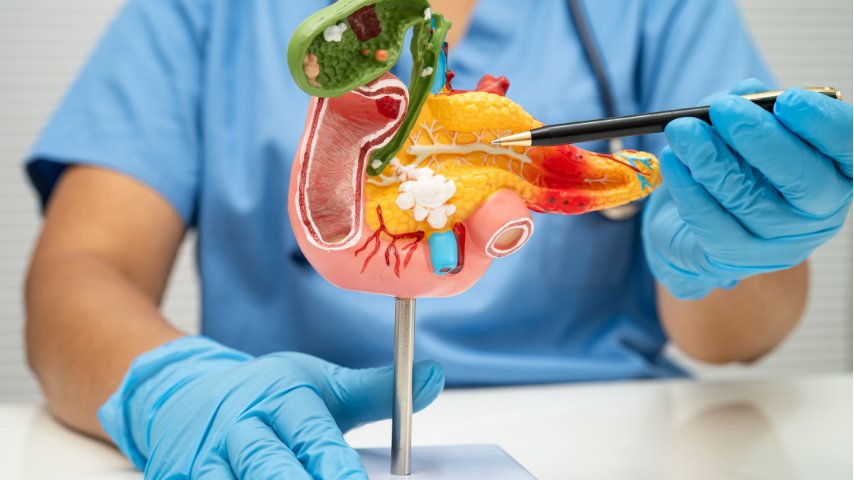
The liver produces a digestive fluid called bile. Bile helps the body digest fats and also helps remove waste products from the body. This bile travels through small channels inside the liver and then moves through the main bile duct into the small intestine.
The gallbladder stores bile and releases it when needed, especially after meals.
The bile duct works like a drainage pipe. When it is open, bile flows normally and digestion continues smoothly. When it gets blocked, bile cannot leave the liver properly and starts building up inside the body.
This blockage creates symptoms that can quickly become serious.
Why Does the Bile Duct Get Blocked?
In cancer patients, bile duct blockage often happens because a tumor presses on the bile duct or grows inside it.
This is common in:
- Pancreatic cancer
- Bile duct cancer (cholangiocarcinoma)
- Gallbladder cancer
- Liver cancer
- Metastatic cancers near the liver or pancreas
For example, the head of the pancreas sits very close to the bile duct. If a tumor grows there, it can squeeze the bile duct and stop bile flow.
Sometimes patients feel no pain at first, which makes the problem harder to notice. The first visible sign is often jaundice.
This is why many cancer patients first come to the hospital because of yellow eyes, not because of pain.
The First Sign Most Patients Notice: Jaundice
Jaundice is one of the clearest warning signs of bile duct blockage.
It happens when bilirubin builds up in the blood. Bilirubin is a yellow waste product that is normally removed through bile. When bile cannot flow out, bilirubin stays inside the body and causes yellow discoloration.
Patients often notice:
- Yellowing of the eyes
- Yellow skin
- Dark yellow or brown urine
- Pale or clay-colored stools
Many people first notice yellow eyes while looking in the mirror or when family members point it out.
Some think it is just tiredness or a minor liver issue, but jaundice should never be ignored, especially when it appears suddenly.
It is often the body’s strongest warning sign.
Severe Itching Can Be a Major Warning Sign
Many patients are surprised to learn that severe itching can happen because of bile duct blockage.
This itching happens because bile salts build up in the body when bile cannot drain properly. It is often deep, uncomfortable, and difficult to relieve.
Patients describe it as:
- Constant itching without rash
- Worse itching at night
- Scratching without relief
- Trouble sleeping because of itching
- Feeling irritated and exhausted
This symptom can become more distressing than pain itself.
When itching happens together with yellow eyes or dark urine, doctors strongly suspect biliary obstruction.
Dark Urine and Pale Stools Should Never Be Ignored
These symptoms often appear before patients fully understand what is happening.
Dark urine happens because excess bilirubin leaves the body through urine when it cannot leave through bile. The urine may look dark yellow, brown, or tea-colored.
Pale stools happen because bile is not reaching the intestine properly. Without bile pigments, stool loses its normal brown color and may look pale, clay-colored, or grey.
Patients sometimes think this is caused by dehydration or diet changes, but when it happens with jaundice, it often points to bile duct blockage.
These signs are important because they show that bile flow is not normal.
Loss of Appetite and Weakness
Patients with bile duct blockage often feel weak long before diagnosis is confirmed.
Common symptoms include:
- Poor appetite
- Nausea
- Feeling full quickly
- Unexplained tiredness
- Weakness during daily activities
- Weight loss
This happens because the body is not digesting food properly and the liver is under stress.
Patients often think they are simply tired from work, stress, or age, but when weakness happens together with jaundice, it needs urgent attention.
Cancer patients may already feel tired, so bile duct blockage can make this much worse.
Fever and Chills: A Dangerous Warning Sign
This is one of the most important symptoms to understand.
If bile duct blockage leads to infection inside the bile ducts, it is called cholangitis. This can become dangerous very quickly.
Warning signs include:
- Fever
- Chills
- Severe weakness
- Confusion
- Abdominal pain
- Vomiting
- Sudden worsening of jaundice
This is a medical emergency.
Patients should not wait at home hoping it will improve. Infection inside the bile duct can become life-threatening if treatment is delayed.
This is one reason doctors take jaundice so seriously.
Why Doctors Often Delay Chemotherapy Until Jaundice Improves
Many patients feel frustrated when cancer treatment is delayed because doctors focus first on jaundice.
They often ask, “Why are we treating the jaundice before treating the cancer?”
The answer is because severe jaundice makes chemotherapy dangerous.
Blocked bile flow can cause:
- Poor liver function
- Increased infection risk
- Extreme weakness
- Poor nutrition
- Unsafe chemotherapy side effects
Doctors usually want bilirubin levels to improve before starting cancer treatment.
This is why palliative biliary stenting is often done first.
It is not delaying cancer care. It is preparing the body for safer treatment.
When Palliative Biliary Stenting Becomes Necessary
Palliative biliary stenting is needed when the blocked bile duct must be opened to relieve symptoms and protect health.
A stent is a small tube placed inside the bile duct to keep it open and allow bile to drain again.
Doctors usually recommend stenting when patients have:
- Significant jaundice
- High bilirubin levels
- Severe itching
- Dark urine and pale stools
- Infection risk
- Fever from cholangitis
- Need for chemotherapy soon
- Poor quality of life from blockage symptoms
The word “palliative” means the goal is symptom relief and better quality of life, even if the cancer itself cannot be fully cured.
This procedure often makes a major difference and may involve specialists in hepatobiliary interventional radiology.
How the Stent Is Usually Placed
The most common method is a procedure called ERCP, which stands for Endoscopic Retrograde Cholangiopancreatography.
During ERCP:
- A flexible camera tube is passed through the mouth
- It reaches the small intestine
- The doctor finds the bile duct opening
- Dye is used to locate the blockage
- A stent is placed to keep the duct open
This is usually done under sedation, so patients are comfortable.
If ERCP is not possible, another method called PTBD may be used, where drainage is done through the skin using imaging guidance.
Both procedures aim to restore bile flow safely.
Patients and families often ask detailed hepatobiliary IR questions before PTBD or image-guided drainage procedures.
What Happens After Stenting?
Patients often expect jaundice to disappear immediately, but improvement usually takes time.
Many patients gradually notice:
- Eyes becoming less yellow
- Less itching
- Lighter urine
- Better appetite
- Improved energy
- Better sleep
- Less weakness
Recovery depends on how severe the blockage was and whether infection was present.
Some patients need repeat procedures later if the stent becomes blocked again.
This does not always mean treatment failed. It often means the disease is progressing and the stent needs maintenance.
Emotional Fear Around the Word “Palliative”
Many patients become frightened when they hear the word “palliative.”
They think it means treatment has ended or there is no hope left.
That is not always true.
Palliative care means reducing suffering and improving comfort. A patient can receive palliative biliary stenting and still continue chemotherapy, surgery planning, or cancer treatment.
The goal is support, not surrender.
Understanding this helps families make calmer and clearer decisions.
When You Should Seek Urgent Medical Help
Some symptoms should never be ignored.
You should contact your doctor immediately if you have:
- Yellow eyes becoming worse
- Fever or chills
- Severe itching
- Dark urine returning
- Vomiting
- Severe weakness
- Abdominal pain
- Confusion
- Poor eating with rapid decline
- Sudden worsening after temporary improvement
These symptoms may suggest worsening blockage or infection.
Early treatment prevents serious complications.
Waiting too long can make recovery much harder.
Conclusion
If you or a loved one notices yellow eyes, severe itching, dark urine, or sudden weakness, do not ignore these warning signs.
Bile duct blockage can become serious quickly, especially in cancer patients, but early treatment can bring major relief.
Palliative biliary stenting helps reduce jaundice, prevent infection, improve comfort, and often makes further cancer treatment possible.
Ask questions, seek medical attention early, and understand that treating jaundice is often one of the most important first steps in cancer care.
References and Sources
Memorial Sloan Kettering Cancer Center – Biliary Obstruction and Cancer Care
Johns Hopkins Medicine – ERCP and Bile Duct Blockage
Cancer Research UK – Jaundice and Bile Duct Blockage
American Cancer Society – Biliary Obstruction and Cancer Symptoms