Why Did My Doctor Take a Biopsy During Endoscopy? Understanding Results, Reports, and Next Steps
Medicine Made Simple
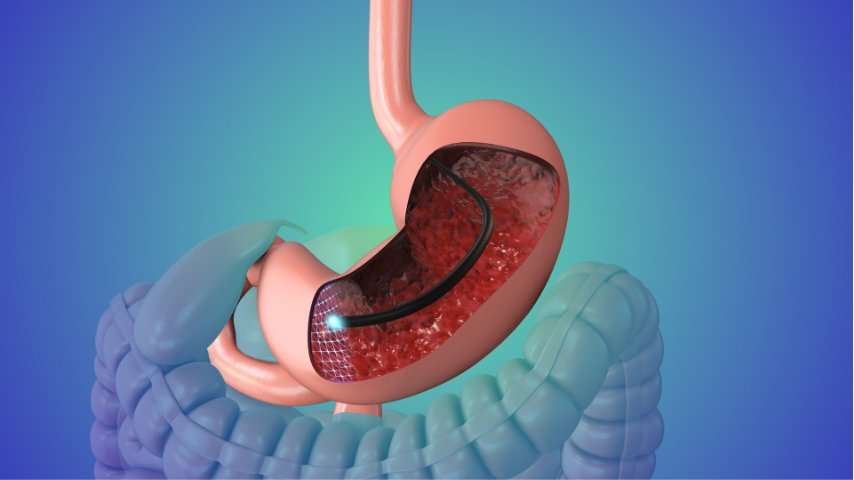
An upper gastrointestinal (GI) endoscopy is a procedure that allows doctors to examine the inside of the food pipe (esophagus), stomach, and the first part of the small intestine using a thin, flexible tube with a tiny camera attached to its tip. The procedure is usually performed under sedation, making it comfortable for most patients. During an endoscopy, doctors can identify inflammation, ulcers, infections, bleeding, abnormal growths, and early signs of cancer. They can also collect tiny tissue samples called biopsies for laboratory testing. These biopsies often provide information that cannot be seen with the camera alone and play a crucial role in reaching an accurate diagnosis.
Introduction
For many patients, the most stressful part of an endoscopy isn't the procedure itself.
It's what happens afterward.
You wake up from sedation, and the doctor says:
"We took a few biopsies."
Suddenly, your mind starts racing.
- Why did they take a biopsy?
- Did they see something serious?
- Does a biopsy mean cancer?
- How long will the results take?
- Should I be worried?
If you've had these thoughts, you're not alone.
The word "biopsy" often creates anxiety because many people immediately associate it with cancer. In reality, biopsies are one of the most routine parts of digestive medicine and are performed for many reasons that have nothing to do with cancer.
In fact, thousands of biopsies are taken during endoscopy every day around the world, and the vast majority do not lead to a cancer diagnosis.
Understanding why biopsies are performed, what doctors are looking for, and how results are interpreted can help reduce anxiety and make the waiting period much easier.
What Exactly Is a Biopsy?
Let's start with the basics.
A biopsy is simply a tiny sample of tissue collected from the body for closer examination.
During an endoscopy, the doctor uses a small instrument that passes through the endoscope to gently remove tiny pieces of tissue from the digestive tract.
These samples are incredibly small. Most patients would be surprised to see how tiny they actually are.
The tissue is then sent to a laboratory, where a specialist called a pathologist examines it under a microscope.
Think of an endoscopy as looking at a building from the outside.
The camera allows the doctor to see what the tissue looks like.
A biopsy allows doctors to look inside the tissue itself.
Sometimes the tissue appears normal but contains microscopic changes that can only be identified through laboratory analysis.
Why Can't the Doctor Just Tell What's Wrong by Looking?
This is one of the most common questions patients ask.
After all, modern endoscopes produce high-definition images. If the doctor can see the digestive tract clearly, why is a biopsy needed?
The answer is that many digestive conditions look similar.
For example:
- Inflammation caused by acid reflux may resemble inflammation caused by infection
- Certain ulcers can appear similar regardless of the underlying cause
- Early precancerous changes may not be obvious to the naked eye
- Some conditions cause microscopic changes that are completely invisible during endoscopy
This is why visual appearance and biopsy results often work together.
The camera provides part of the answer.
The microscope provides the rest.
Common Reasons Doctors Take Biopsies During Endoscopy
Many patients assume biopsies are only taken when the doctor suspects cancer.
In reality, there are many reasons a biopsy may be recommended.
To Investigate Ongoing Inflammation
Inflammation is one of the most common findings during endoscopy.
The doctor may notice redness, irritation, swelling, or changes in the digestive lining.
A biopsy helps answer important questions:
- What is causing the inflammation?
- How severe is it?
- Is it related to acid reflux?
- Is there an infection?
- Is there an autoimmune condition involved?
Without a biopsy, these questions may remain unanswered.
To Test for Helicobacter pylori (H. pylori)
H. pylori is a common bacterial infection that affects the stomach lining.
It is one of the leading causes of:
- Gastritis
- Stomach ulcers
- Duodenal ulcers
Many people with H. pylori have symptoms such as:
- Stomach discomfort
- Bloating
- Nausea
- Indigestion
A biopsy allows doctors to test directly for the presence of this bacteria and guide treatment appropriately.
To Diagnose Celiac Disease
Celiac disease occurs when the immune system reacts abnormally to gluten.
Although blood tests can suggest the diagnosis, confirmation often requires biopsies from the small intestine.
During endoscopy, the lining of the small intestine may appear normal or only mildly abnormal.
The biopsy helps identify microscopic damage that confirms the diagnosis.
To Evaluate Barrett's Esophagus
Patients with long-standing acid reflux sometimes develop a condition called Barrett's esophagus.
This occurs when the cells lining the lower food pipe begin to change due to repeated exposure to stomach acid.
Most patients with Barrett's esophagus never develop cancer.
However, because the condition slightly increases cancer risk, biopsies are important for monitoring cellular changes over time.
To Investigate Ulcers
If an ulcer is found during endoscopy, the doctor may collect tissue samples from the surrounding area.
This helps determine:
- Whether H. pylori is present
- Whether the ulcer is healing normally
- Whether there are any abnormal cellular changes
In most cases, ulcers are caused by infection, medications, or acid-related damage.
Biopsies help confirm the underlying cause.
Does a Biopsy Mean My Doctor Suspects Cancer?
This is the question almost every patient wants answered.
The honest answer is usually no.
Most biopsies are performed to investigate common digestive conditions rather than cancer.
Doctors frequently take biopsies from tissue that appears completely normal.
Why?
Because some conditions can only be diagnosed microscopically.
For example, a patient being evaluated for celiac disease may have biopsies taken even when the digestive tract looks entirely healthy.
Similarly, biopsies may be collected to test for H. pylori infection even when no obvious abnormalities are visible.
The decision to take a biopsy is often about gathering information, not confirming a worst-case scenario.
When Doctors Do Become More Concerned
Although most biopsies are routine, there are situations where tissue sampling is particularly important.
Doctors are more likely to take targeted biopsies when they see:
- Unusual growths
- Polyps
- Persistent ulcers
- Thickened tissue
- Areas that look different from the surrounding lining
- Suspicious lesions
Even then, appearance alone cannot determine whether something is cancerous.
Many abnormal-looking areas turn out to be benign.
The biopsy provides the answer.
What Happens to the Biopsy Sample?
Once the procedure is complete, the tissue samples begin a journey that most patients never see.
The samples are carefully labeled and sent to a pathology laboratory.
There, they undergo several steps:
- Preservation
- Processing
- Microscopic examination
- Interpretation by a pathologist
The pathologist prepares a detailed report describing the findings.
This report is then sent back to your gastroenterologist.
Because this process takes time, biopsy results are not usually available immediately after the procedure, similar to what happens after capsule endoscopy.
How Long Do Biopsy Results Take?
One of the most frustrating parts of the process is waiting.
Most biopsy results are available within a few days to two weeks, depending on:
- The laboratory
- The type of testing required
- Whether additional specialized analysis is needed
While waiting can feel stressful, it is important to remember that careful examination takes time.
The goal is accuracy, not speed.
Understanding Common Terms in a Biopsy Report
Biopsy reports often contain medical language that can seem intimidating.
Let's look at some common terms.
Normal
This means no significant abnormalities were identified.
For many patients, this is the best possible outcome.
Inflammation
This indicates irritation or injury to the tissue.
Inflammation can occur for many reasons and does not automatically indicate serious disease.
Gastritis
This refers to inflammation of the stomach lining.
It is a common finding and may be related to H. pylori infection, medications, alcohol, or acid-related irritation.
H. pylori Positive
This means the stomach contains H. pylori bacteria.
The condition is usually treatable with medication.
Barrett's Esophagus
This refers to changes in the cells lining the lower esophagus.
Regular monitoring may be recommended.
Dysplasia
This term describes abnormal cellular changes.
Dysplasia does not automatically mean cancer.
However, depending on its severity, it may require closer monitoring or treatment.
What If the Results Are Normal but Symptoms Continue?
This situation is more common than many people realize.
Patients sometimes expect the biopsy to provide a definitive explanation for every symptom.
However, digestive symptoms can occur even when biopsies are normal.
Conditions such as:
- Functional dyspepsia
- Irritable bowel syndrome
- Food intolerances
- Certain reflux-related disorders
may not produce abnormal biopsy findings.
In these situations, the normal results remain valuable because they help rule out more serious causes.
Questions You Should Ask After Receiving Biopsy Results
Once your results are available, consider discussing the following with your doctor:
- What exactly did the biopsy show?
- Were any abnormalities found?
- Do the findings explain my symptoms?
- Is treatment required?
- Will follow-up testing be needed?
- Should another endoscopy be performed in the future?
Clear communication can help reduce uncertainty and improve understanding.
If further evaluation is needed, your doctor may explain options such as capsule endoscopy and colonoscopy depending on your symptoms.
Conclusion
Biopsies are one of the most valuable parts of an endoscopy because they allow doctors to examine tissue at a microscopic level.
While many patients immediately associate biopsies with cancer, most are performed for routine reasons such as investigating inflammation, testing for H. pylori infection, diagnosing celiac disease, monitoring Barrett's esophagus, or evaluating ulcers.
A biopsy is not a diagnosis in itself. It is a tool that helps doctors gather more information and reach an accurate conclusion.
If your doctor took biopsies during your endoscopy, try not to assume the worst. In most cases, the samples are collected to provide clarity, confirm a diagnosis, or rule out potential concerns.
The ultimate goal is simple: to understand what is happening inside your digestive tract and ensure you receive the most appropriate care.
If you've recently undergone an endoscopy and are waiting for biopsy results, don't hesitate to speak with your gastroenterologist about what was tested and what the findings may mean. Understanding your results is an important step toward making informed decisions about your digestive health, including discussions around capsule endoscopy safety when additional testing is considered.
References and Sources