The Hidden Health Risk of Being Skinny Fat: What Your BMI Isn't Telling You
Medicine Made Simple
Many people believe that maintaining a normal weight automatically means they are healthy. However, some individuals may have a normal Body Mass Index (BMI) while carrying excess body fat and too little muscle. This condition is commonly known as being "skinny fat." Although these individuals appear slim, they may still be at risk of diabetes, heart disease, fatty liver disease, and other metabolic disorders. Understanding the limitations of BMI and learning about body composition can help you make better health decisions and focus on what truly matters—overall health rather than just body weight.
Introduction
Imagine two people standing side by side. They are the same height and weigh almost the same. Both have a normal BMI. From the outside, they appear equally healthy.
But when doctors look deeper, they discover something surprising.
One person has a healthy balance of muscle and fat. The other has excess body fat, low muscle mass, and early signs of insulin resistance.
Although both individuals have a normal weight, their health risks are very different.
This is the reality of being "skinny fat."
The term may sound unusual, but it describes a growing health concern worldwide. Many people spend years assuming they are healthy because they are not overweight. Unfortunately, some discover hidden health problems only after developing diabetes, high cholesterol, fatty liver disease, or heart disease.
Understanding the skinny fat phenomenon is important because it challenges one of the biggest myths in health and fitness: that thin automatically means healthy.
What Does "Skinny Fat" Mean?
Being skinny fat refers to a situation where a person has a normal body weight but an unhealthy body composition.
In simple terms, they have too much body fat and not enough muscle.
The body may appear slim in clothing, but underneath, there may be significant fat accumulation, especially around the abdomen and internal organs.
Doctors sometimes refer to this as normal-weight obesity or TOFI, which stands for Thin Outside, Fat Inside.
The key issue is not weight.
The key issue is the ratio between muscle and fat.
A person with strong muscles and moderate body fat may be healthier than someone who weighs less but has very little muscle and a high body fat percentage.
Why BMI Does Not Tell the Full Story
BMI, or Body Mass Index, is one of the most commonly used health measurements.
It is calculated using height and weight.
Healthcare professionals often use BMI to classify people as underweight, normal weight, overweight, or obese.
While BMI is useful for screening large populations, it has important limitations.
BMI does not tell us:
- How much of your weight comes from muscle
- How much comes from fat
- Where fat is stored in the body
- Your metabolic health
- Your fitness level
For example, an athlete with significant muscle mass may have a high BMI despite being very healthy.
Similarly, someone with a normal BMI may carry excessive body fat and have poor metabolic health.
This is why BMI should be viewed as a starting point rather than a complete picture of health.
Understanding Body Composition
To understand why BMI can be misleading, it helps to understand body composition.
Body composition refers to what your body is made of.
The major components include muscle, fat, bone, and water.
Two people with identical weights can have completely different body compositions.
One may have higher muscle mass and lower fat levels.
The other may have low muscle mass and high fat levels.
Although the weighing scale shows the same number, their health risks are not the same.
This is why body composition is becoming increasingly important in modern healthcare.
The Difference Between Visible Fat and Hidden Fat
Not all fat is equally harmful.
Subcutaneous fat sits beneath the skin.
It is the fat you can pinch on your stomach, thighs, or arms.
Visceral fat is different.
It is stored deep inside the abdomen around organs such as the liver, pancreas, and intestines.
Visceral fat is far more dangerous because it actively affects the body's metabolism.
People who are skinny fat often have higher levels of visceral fat despite appearing slim.
This hidden fat can silently damage health for years before symptoms appear.
Why Being Skinny Fat Can Be Dangerous
Many people assume health problems only affect those who are visibly overweight.
Research has shown that this is not true.
Excess body fat and low muscle mass can contribute to several serious conditions.
Type 2 Diabetes
- Visceral fat can interfere with the body's ability to use insulin properly.
- This condition, known as insulin resistance, causes blood sugar levels to rise over time.
- Eventually, this can lead to Type 2 diabetes.
Heart Disease
- Hidden fat contributes to inflammation, unhealthy cholesterol levels, and high blood pressure.
- These factors significantly increase the risk of heart disease and stroke.
Fatty Liver Disease
- Many people are surprised to learn they can develop fatty liver disease without being overweight.
- Excess visceral fat can cause fat to accumulate in the liver, affecting its ability to function properly.
Metabolic Syndrome
- Metabolic syndrome refers to a group of risk factors that increase the likelihood of diabetes, heart disease, and stroke.
- Being skinny fat increases the risk of developing this condition.
Reduced Physical Strength
- Low muscle mass can affect strength, balance, mobility, and overall quality of life.
- Muscles play a crucial role in maintaining metabolic health throughout life.
Why Are More People Becoming Skinny Fat?
Modern lifestyles play a major role.
Many people spend long hours sitting at desks, working on computers, commuting, or watching screens.
Physical activity has decreased significantly.
At the same time, processed foods have become widely available.
Many TOFI diet patterns are high in refined carbohydrates, added sugars, and unhealthy fats while being low in protein.
This combination creates the perfect environment for muscle loss and fat gain.
A person may maintain the same weight for years while gradually losing muscle and accumulating fat.
Because their weight remains stable, they may never realize that their body composition is changing.
Are South Asians at Higher Risk?
The answer is yes.
Research consistently shows that South Asians, including Indians, tend to develop higher body fat percentages and greater visceral fat accumulation at lower BMI levels.
This means that an Indian individual with a normal BMI may face the same metabolic risks as a person from another population with a much higher BMI.
This helps explain why diabetes, heart disease, and fatty liver disease are common among seemingly slim individuals in India.
Genetics play a role.
Lifestyle factors such as physical inactivity, poor sleep, chronic stress, and high carbohydrate consumption further increase risk.
Signs You Might Be Skinny Fat
Many people who are skinny fat do not notice obvious TOFI symptoms.
However, certain signs may suggest unhealthy body composition.
- You may have a normal weight but little muscle definition
- You may feel weak despite appearing slim
- You may gain fat around your waist even though your overall weight remains stable
- Routine blood tests may show elevated cholesterol, triglycerides, or blood sugar levels
- You may become tired easily during physical activity
- You may have a strong family history of diabetes or heart disease
These signs do not confirm the condition but may indicate the need for further evaluation.
How Is Being Skinny Fat Diagnosed?
Doctors use several tools to assess body composition and metabolic health.
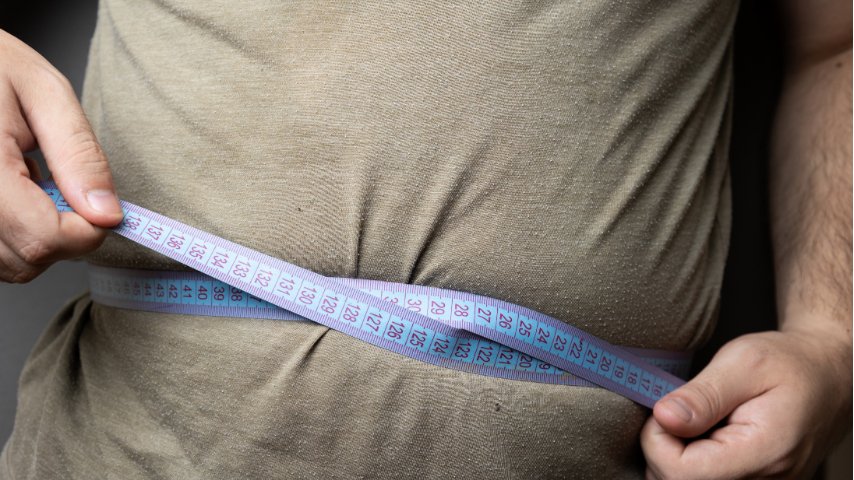
Waist circumference is often one of the simplest measurements.
A larger waistline can indicate increased abdominal fat.
Body composition analyzers can estimate body fat percentage and muscle mass.
DEXA scans provide detailed information about fat distribution and muscle mass.
MRI and CT scans can accurately measure visceral fat but are usually reserved for specific situations.
Blood tests can help identify cholesterol abnormalities, insulin resistance, fatty liver disease, and elevated blood sugar levels.
Together, these assessments provide a clearer picture than BMI alone for identifying TOFI.
Can You Be Fit and Still Be Skinny Fat?
Fitness and body composition are related but not identical.
Some people exercise regularly but still have poor dietary habits that lead to excess fat accumulation.
Others focus only on cardio and neglect strength training, resulting in low muscle mass.
Being physically active is beneficial, but true health requires a combination of cardiovascular fitness, muscle strength, balanced nutrition, and healthy body composition.
How to Reverse the Skinny Fat Condition
The encouraging news is that body composition can improve.
The goal is not necessarily to lose weight.
The goal is to lose excess fat while building or maintaining muscle.
Prioritize Strength Training
- Strength training is one of the most effective ways to improve body composition.
- Resistance exercises stimulate muscle growth and improve metabolism.
- Building muscle helps the body burn more calories even at rest.
Increase Protein Intake
- Protein supports muscle repair and growth.
- Many people consume insufficient protein, especially if their diet is heavily based on refined carbohydrates.
- Including quality protein sources with every meal can help improve body composition.
Stay Physically Active
- Regular walking, cycling, swimming, jogging, or other aerobic activities help reduce body fat and improve cardiovascular health.
- Daily movement matters as much as structured exercise.
Reduce Processed Foods
- Highly processed foods are often rich in calories but poor in nutrition.
- Reducing sugary beverages, packaged snacks, and refined carbohydrates can help lower body fat levels.
Improve Sleep Quality
- Poor sleep affects hormones that regulate hunger, metabolism, and fat storage.
- Adults should aim for seven to nine hours of quality sleep every night.
Manage Stress
- Chronic stress increases cortisol levels.
- High cortisol levels are associated with increased abdominal fat accumulation.
Stress management techniques can support overall metabolic health.
Why the Scale Should Not Be Your Only Health Measure
Many people judge their health based entirely on their weight.
However, weight alone provides very limited information.
A healthier approach is to focus on body composition, physical fitness, blood test results, energy levels, and overall well-being.
A normal BMI is positive, but it should not create a false sense of security.
Understanding what is happening inside your body is far more important than simply looking slim.
When Should You Seek Medical Advice?
Consider speaking with a healthcare professional if you have a normal weight but:
- Have a family history of diabetes or heart disease
- Have elevated blood sugar or cholesterol levels
- Have been diagnosed with fatty liver disease
- Notice increasing abdominal fat
- Feel persistently fatigued
- Lead a sedentary lifestyle
Early detection allows intervention before serious complications develop.
Conclusion
Being thin does not automatically mean being healthy. The concept of being skinny fat reminds us that health is determined by much more than body weight alone. Hidden fat, especially visceral fat, can increase the risk of diabetes, heart disease, fatty liver disease, and other metabolic conditions even when BMI appears normal. By focusing on body composition, building muscle, staying active, eating a balanced diet, sleeping well, and managing stress, you can improve your health from the inside out.
If you have a normal BMI but are concerned about hidden fat, family history, or metabolic health, consider scheduling a comprehensive health assessment. Understanding your body composition, blood sugar levels, cholesterol profile, and overall metabolic health today can help prevent serious health problems in the future. Following an appropriate TOFI treatment plan can further support long-term health.
References and Sources
WHO (World Health Organization)
CDC (Centers for Disease Control and Prevention)
NIDDK (National Institute of Diabetes and Digestive and Kidney Diseases)