You Look Slim, But Are You Really Healthy? Understanding the TOFI (Thin Outside, Fat Inside) Phenomenon

Medicine Made Simple
Most people believe that being slim automatically means being healthy. However, that is not always true. Some people may look thin on the outside but carry excess fat around important organs inside the body. This condition is known as TOFI, which stands for Thin Outside, Fat Inside. Hidden fat, especially around the liver, heart, and intestines, can increase the risk of diabetes, heart disease, fatty liver disease, and other health problems even when body weight appears normal. Understanding TOFI can help you take the right steps to protect your long-term health.
Why Looking Slim Does Not Always Mean Being Healthy
For decades, body weight has been used as a simple way to judge health. If someone is overweight, people assume they may have health problems. If someone is slim, they are often considered healthy.
But the human body is more complex than that.
Many people who appear lean and maintain a normal body weight may still have unhealthy levels of fat stored deep inside the abdomen. This hidden fat is not always visible in the mirror. As a result, a person may look fit, wear smaller clothing sizes, and still face serious health risks.
This phenomenon is known as TOFI, or Thin Outside, Fat Inside.
The concept has gained significant attention because researchers have found that a surprising number of people with normal body weight have metabolic abnormalities usually associated with obesity.
What Exactly Is TOFI?
TOFI stands for Thin Outside, Fat Inside.
It describes individuals who appear slim externally but have excessive amounts of visceral fat inside the body.
Visceral fat is different from the fat located just beneath the skin. Instead, it surrounds important organs such as the liver, pancreas, kidneys, and intestines.
Because it is hidden from view, many people are unaware they have it.
Unlike subcutaneous fat, which sits under the skin and can often be pinched, visceral fat remains concealed within the abdominal cavity.
A person with TOFI may have a normal Body Mass Index (BMI), but their body composition may tell a very different story.
Understanding the Different Types of Body Fat
To understand TOFI, it helps to know the two major types of body fat.
Subcutaneous Fat
This is the fat located directly beneath the skin.
- It is the fat you can pinch on your arms, thighs, hips, or stomach
- While excessive amounts can contribute to obesity, subcutaneous fat is generally less harmful than visceral fat
Visceral Fat
This fat is stored deep inside the abdomen around internal organs.
- Visceral fat is biologically active
- It releases inflammatory chemicals and hormones
- High levels of visceral fat are strongly linked to chronic diseases
This is why two people with the same weight can have very different health profiles.
Why Is Visceral Fat Dangerous?
Visceral fat behaves differently from other types of fat.
It continuously releases substances that can interfere with normal metabolism.
Over time, these changes can lead to several health problems.
Increased Risk of Type 2 Diabetes
- Visceral fat contributes to insulin resistance
- When the body's cells stop responding effectively to insulin, blood sugar levels begin to rise
Higher Risk of Heart Disease
- Excess visceral fat is associated with high cholesterol
- It is linked to high blood pressure and inflammation
- These factors significantly increase the risk of heart attacks and strokes
Fatty Liver Disease
- Fat can accumulate within the liver even in people who are not visibly overweight
- This condition, known as non-alcoholic fatty liver disease, is becoming increasingly common
Metabolic Syndrome
- Metabolic syndrome refers to a cluster of conditions
- It increases the risk of heart disease, diabetes, and stroke
- Visceral fat is one of its major contributors
Chronic Inflammation
- Hidden fat continuously releases inflammatory chemicals
- Long-term inflammation can damage blood vessels and organs
How Common Is TOFI?
TOFI is more common than many people realize.
Research suggests that a significant number of adults with normal body weight may have excess visceral fat.
The condition is especially common in urban populations with sedentary lifestyles.
- Long hours sitting
- Highly processed foods
- Chronic stress
- Low physical activity
People exposed to these factors are more likely to develop hidden fat accumulation.
Why Are South Asians More Vulnerable?
People of South Asian origin, including Indians, are particularly susceptible to Skinny fat and TOFI.
Studies have shown that South Asians tend to develop higher levels of body fat and visceral fat at lower BMI levels compared to many other populations.
This means that an individual may appear slim but still carry significant amounts of harmful internal fat.
- Genetics play a role
- Sedentary lifestyle contributes
- High consumption of refined carbohydrates increases risk
- White rice
- Sugary foods
- Bakery products
- Processed snacks
This explains why diabetes and heart disease are often seen in individuals who do not appear overweight.
Signs That May Suggest TOFI
TOFI symptoms often develop silently.
Many people experience no obvious symptoms.
However, certain clues may suggest the presence of hidden visceral fat.
- Increasing abdominal fat despite normal body weight
- Elevated cholesterol or triglycerides
- Rising blood sugar levels
- Frequent tiredness
- Family history of diabetes or heart disease
- Fatty liver despite maintaining a normal weight
However, it is important to remember that these signs alone cannot confirm TOFI.
Can BMI Detect TOFI?
BMI has been widely used to assess weight status.
It is calculated using height and weight.
While BMI is useful for large populations, it has limitations.
- It does not distinguish between muscle and fat
- It cannot determine where fat is stored
- It cannot detect visceral fat
A person with a normal BMI may still have excessive visceral fat.
This is why relying solely on weight or BMI can sometimes create a false sense of security.
How Is TOFI Diagnosed?
Doctors may use several approaches to assess whether hidden visceral fat is present.
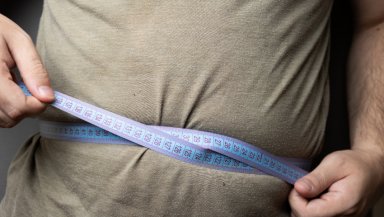
Waist Circumference
- A larger waistline can indicate increased abdominal fat
- Provides useful screening information
Body Composition Analysis
- Estimates body fat percentage and distribution
DEXA Scan
- Measures fat, muscle, and bone mass
- Provides detailed body composition
MRI and CT Scans
- Provide highly accurate measurements of visceral fat
- Usually reserved for specific cases
Blood Tests
- Blood sugar levels
- Cholesterol levels
- Liver function tests
- Insulin levels
Who Is Most at Risk?
Several factors increase the likelihood of developing TOFI.
- Sedentary lifestyle
- Poor dietary habits
- Chronic stress
- Inadequate sleep
- Smoking
- Genetics
- Family history of:
- Diabetes
- Fatty liver disease
- Heart disease
Can TOFI Be Reversed?
The good news is that visceral fat responds well to lifestyle changes.
In many cases, it can be reduced more quickly than subcutaneous fat.
The key is focusing on overall metabolic health rather than simply reducing body weight.
How to Reduce Hidden Visceral Fat
Build Muscle Through Strength Training
- Resistance exercises help increase muscle mass
- Improves metabolism and insulin sensitivity
- Strength training two to four times per week
Stay Physically Active
- Walking, cycling, swimming, jogging
- Regular daily movement is important
Improve Your Diet
- Focus on whole foods as part of a healthy TOFI diet
- Vegetables
- Fruits
- Legumes
- Nuts
- Seeds
- Lean proteins
- Reduce:
- Sugary drinks
- Refined carbohydrates
- Processed foods
Prioritize Protein
- Helps preserve muscle mass
- Supports healthy body composition
Sleep Well
- Aim for seven to nine hours
- Poor sleep increases fat accumulation
Manage Stress
- Chronic stress increases cortisol
- Leads to visceral fat storage
- Use relaxation techniques
Why Weight Alone Should Not Be Your Health Goal
Many people focus entirely on the number displayed on a weighing scale.
However, health is about much more than weight.
- Body composition
- Physical fitness
- Metabolic health
- Nutrition
- Sleep quality
- Mental well-being
Someone who weighs more but has good muscle mass and low visceral fat may be healthier than someone who appears slim but carries excessive hidden fat.
The goal should not simply be to be thin.
The goal should be to be healthy.
When Should You Speak to a Doctor?
Consider consulting a healthcare professional if you have a normal body weight but:
- Have a family history of diabetes or heart disease
- Have abnormal cholesterol or blood sugar results
- Have been diagnosed with fatty liver disease
- Notice increasing abdominal fat
- Experience persistent fatigue
- Lead a highly sedentary lifestyle
Early assessment can identify problems before serious complications develop.
Conclusion
TOFI challenges the common belief that thin automatically means healthy. Hidden visceral fat can quietly increase the risk of diabetes, heart disease, fatty liver disease, and metabolic disorders, even in people who appear slim. The good news is that TOFI can often be improved through regular exercise, strength training, healthy eating, quality sleep, and stress management. Understanding your body composition and metabolic health is far more important than focusing on weight alone, and appropriate TOFI treatment can further help reduce long-term health risks.
If you have a normal body weight but are concerned about hidden fat, metabolic health, or a family history of diabetes and heart disease, consider speaking with a healthcare professional. A comprehensive health assessment, including body composition evaluation and metabolic screening, can help identify risks early and guide you toward a healthier future.
References and Sources
National Center for Biotechnology Information (NCBI) – Thin Outside Fat Inside (TOFI)