What Happens If My Endoscopy Is Normal but My Symptoms Continue?
Medicine Made Simple
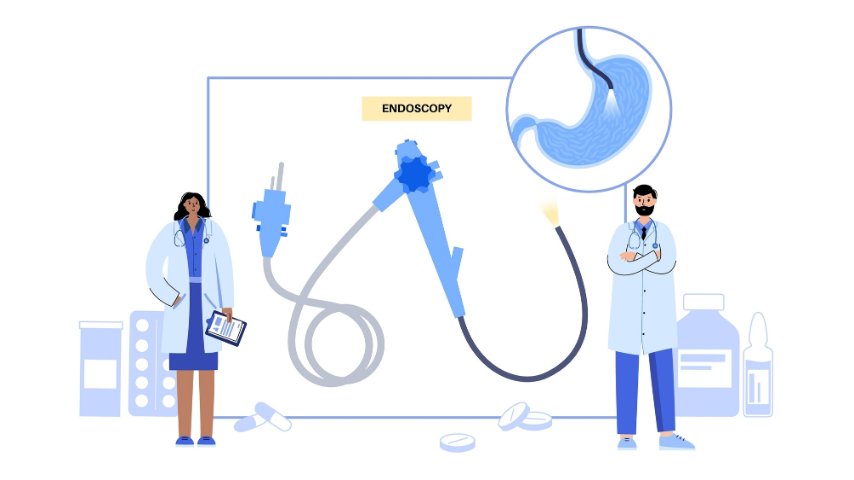
An upper gastrointestinal (GI) endoscopy is a procedure that allows doctors to examine the inside of the food pipe (esophagus), stomach, and the first part of the small intestine using a thin, flexible tube with a tiny camera attached to its tip. The procedure is usually performed under sedation and helps diagnose conditions such as acid reflux, gastritis, ulcers, digestive bleeding, swallowing disorders, and certain cancers. Endoscopy can also identify inflammation, infections, and abnormal tissue changes while allowing doctors to collect biopsies for laboratory testing. A normal endoscopy is reassuring, but it does not always explain every digestive symptom.
Introduction
You finally had your endoscopy.
After weeks or months of symptoms, fasting, anxiety about the procedure, and waiting for results, you sit across from your doctor expecting answers.
Instead, you hear something unexpected.
"Your endoscopy was completely normal."
At first, this sounds like good news.
And in many ways, it is.
A normal endoscopy means there are no obvious signs of ulcers, tumors, significant inflammation, bleeding, or other structural abnormalities in the areas examined.
But for many patients, relief is quickly followed by confusion.
"If everything is normal, why do I still feel unwell?"
"Is the pain all in my head?"
"Did the test miss something?"
"Why am I still experiencing bloating, nausea, heartburn, or stomach discomfort?"
These are among the most common questions gastroenterologists hear after a normal endoscopy.
The important thing to understand is that a normal endoscopy does not mean your symptoms are imaginary. It simply means that the test did not find a structural problem in the part of the digestive tract that was examined.
Sometimes that answer is just the beginning of the diagnostic journey.
First, What Does a "Normal Endoscopy" Actually Mean?
Many patients assume that a normal endoscopy means every digestive organ in the body has been checked and declared healthy.
That isn't quite true.
An upper GI endoscopy primarily examines:
- The esophagus (food pipe)
- The stomach
- The first part of the small intestine (duodenum)
If these areas appear healthy and biopsies are normal, doctors consider the procedure normal.
This is excellent news because it helps rule out many important conditions, including:
- Significant acid reflux damage
- Stomach ulcers
- Severe gastritis
- Certain infections
- Obvious tumors
- Upper digestive tract bleeding
- Many cancers of the esophagus and stomach
However, it is equally important to understand what an endoscopy does not evaluate.
It does not thoroughly examine:
- Most of the small intestine
- The colon
- The pancreas
- The liver
- The gallbladder
- Digestive function and motility
This distinction helps explain why symptoms may continue despite normal findings.
Why Symptoms Can Continue Even When the Endoscopy Is Normal
One of the biggest misconceptions in digestive health is that symptoms always come from visible abnormalities.
In reality, many digestive conditions affect how the digestive system functions rather than how it looks.
Think of it this way.
A car may look perfectly normal from the outside, but still have an engine problem.
Similarly, a digestive tract can appear normal during endoscopy while still causing significant symptoms.
This is one reason digestive disorders can sometimes be challenging to diagnose.
Functional Digestive Disorders: When Structure Is Normal but Function Isn't
One of the most common explanations for persistent symptoms after a normal endoscopy is a group of conditions known as functional gastrointestinal disorders.
The term "functional" means that the digestive system is not working normally even though it appears normal during testing.
This doesn't mean the symptoms are psychological or imagined.
The symptoms are very real.
The difference is that the problem involves function rather than visible damage.
Common examples include:
- Functional dyspepsia
- Irritable bowel syndrome (IBS)
- Functional bloating
- Functional nausea
These conditions can cause symptoms that significantly affect daily life despite normal scans, blood tests, and endoscopy results.
Functional Dyspepsia: The Most Common Cause of Persistent Upper Digestive Symptoms
Many patients with normal endoscopy results are ultimately diagnosed with functional dyspepsia.
This condition causes symptoms such as:
- Upper abdominal discomfort
- Early fullness during meals
- Bloating
- Burning sensations
- Nausea
- Feeling excessively full after eating
Researchers believe the condition may be related to increased sensitivity of the digestive tract, altered stomach function, or abnormalities in how the brain and gut communicate.
Although the symptoms can be frustrating, the condition is not dangerous and does not increase the risk of cancer.
Understanding this often provides significant reassurance.
Could Acid Reflux Still Be the Problem?
Many patients are surprised to learn that reflux symptoms can sometimes occur even when endoscopy findings are normal.
Not all acid reflux causes visible damage.
Some individuals experience symptoms because the esophagus is particularly sensitive to acid exposure.
Others may have episodes of reflux that are enough to trigger symptoms but not enough to cause visible inflammation.
In these situations, additional tests such as pH monitoring may help determine whether reflux remains the underlying cause.
What About Food Intolerances?
Food-related symptoms often continue despite normal endoscopy findings.
Certain foods can trigger:
- Bloating
- Gas
- Abdominal discomfort
- Nausea
- Changes in bowel habits
Common triggers include:
- Dairy products
- Gluten-containing foods
- Artificial sweeteners
- Certain fruits
- Highly processed foods
Food intolerances rarely produce visible abnormalities during endoscopy, which is why symptoms may persist despite a normal examination.
Keeping a symptom diary can sometimes help identify patterns.
Could Stress Be Affecting the Digestive System?
This is a sensitive topic, and it is important to approach it carefully.
When doctors discuss stress, they are not suggesting symptoms are imaginary.
The digestive system and brain are closely connected.
Many patients notice that symptoms worsen during periods of:
- Stress
- Anxiety
- Poor sleep
- Emotional strain
This connection is often called the "gut-brain axis."
Stress can influence:
- Stomach emptying
- Intestinal movement
- Pain sensitivity
- Digestive comfort
Even when endoscopy results are normal, these factors can contribute to ongoing symptoms.
Conditions That May Require Additional Testing
Sometimes a normal endoscopy simply means that the cause lies elsewhere.
Depending on your symptoms, doctors may recommend additional investigations.
These could include:
- Colonoscopy: If symptoms involve bowel habit changes, rectal bleeding, or concerns involving the lower digestive tract.
- CT Scan or MRI: If doctors need to evaluate organs such as the pancreas, liver, or gallbladder.
- Ultrasound: Useful for gallbladder disease and certain abdominal conditions.
- Breath Tests: Often used to evaluate lactose intolerance or small intestinal bacterial overgrowth (SIBO).
- Gastric Emptying Studies: Helpful when delayed stomach emptying is suspected.
A normal endoscopy often narrows the possibilities, helping doctors choose the next most appropriate test. In some cases, further evaluation may include capsule endoscopy.
Could the Endoscopy Have Missed Something?
This is a question many patients hesitate to ask.
Modern endoscopy is highly accurate, but no medical test is perfect.
Very small abnormalities can occasionally be difficult to detect.
However, when the procedure is performed by an experienced gastroenterologist with good preparation and appropriate biopsies, a normal result is generally very reassuring.
Most patients with persistent symptoms after a normal endoscopy do not have a serious disease that was missed.
More often, the explanation involves functional disorders, food sensitivities, reflux-related conditions, or issues requiring different investigations.
Doctors pay closer attention when persistent symptoms are accompanied by warning signs for capsule endoscopy.
When Should You Return to Your Doctor?
Even after a normal endoscopy, ongoing symptoms should not simply be ignored.
You should seek further medical advice if:
- Symptoms are worsening
- New symptoms develop
- Weight loss occurs
- Difficulty swallowing appears
- Vomiting becomes frequent
- Anemia develops
- Digestive bleeding occurs
These situations may require additional evaluation, especially if there is concern about digestive bleeding in the small intestine.
The Emotional Impact of Not Having an Answer
One of the most difficult aspects of digestive disorders is uncertainty.
Many patients hope that an endoscopy will provide an immediate explanation.
When results are normal, they sometimes feel disappointed rather than relieved.
This reaction is completely understandable.
People want answers.
They want a diagnosis that explains why they feel unwell.
A normal endoscopy removes many serious possibilities, but it doesn't always provide the final answer.
In many cases, however, ruling out dangerous conditions is an important step toward identifying the real cause and developing an effective treatment plan.
What Questions Should You Ask After a Normal Endoscopy?
If your symptoms continue, consider asking your doctor:
- Were biopsies taken, and what were the results?
- Could this be a functional digestive disorder?
- Are additional tests needed?
- Could reflux still be causing symptoms?
- Are food intolerances worth investigating?
- What treatment options are available while further evaluation continues?
These conversations often help clarify the next steps, particularly when conditions requiring a Crohn's disease diagnosis are being considered.
Conclusion
A normal endoscopy is generally very reassuring. It means that no major structural abnormalities were found in the upper digestive tract and helps rule out many serious conditions.
However, it does not always explain every symptom.
Many digestive disorders affect function rather than structure, which means the digestive tract can appear normal while symptoms continue. Conditions such as functional dyspepsia, reflux-related disorders, food intolerances, and gut-brain interaction disorders are common examples.
If your symptoms persist after a normal endoscopy, don't assume there are no answers. Instead, view the result as an important piece of information that helps narrow the possibilities and guide the next stage of evaluation.
The goal of digestive medicine isn't simply to perform tests. It's to understand why symptoms are happening and help patients feel better.
If your endoscopy was normal but digestive symptoms continue to affect your quality of life, schedule a follow-up consultation with your gastroenterologist. Further evaluation, lifestyle changes, or targeted treatment may help identify the cause and provide lasting relief.
References and Sources
Mayo Clinic Functional Dyspepsia
American College of Gastroenterology (ACG) Dyspepsia Resources