What Happens After a Capsule Endoscopy? Understanding Results, Findings, and Next Steps
Medicine Made Simple
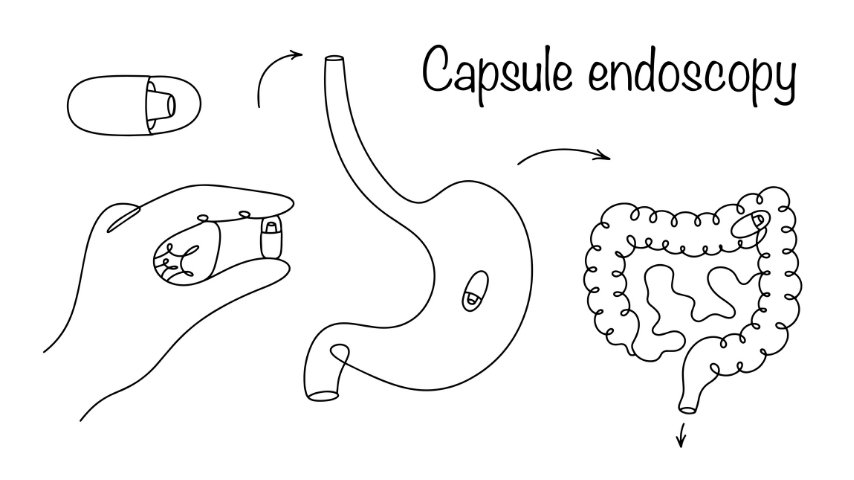
Capsule endoscopy is a non-invasive procedure that uses a tiny camera inside a swallowable capsule to examine the digestive tract, especially the small intestine. As the capsule travels naturally through the body, it captures thousands of images that help doctors identify abnormalities such as bleeding, inflammation, ulcers, polyps, or tumors. While the procedure itself is simple, many patients are uncertain about what happens afterward. Understanding how results are analyzed, what findings may mean, and what the next steps could be can help reduce anxiety and ensure patients are better prepared for the journey ahead.
Introduction
For many patients, the most challenging part of a capsule endoscopy is not swallowing the capsule.
It is waiting for the results.
After spending weeks or months dealing with symptoms such as:
- abdominal pain
- unexplained anemia
- chronic diarrhea
- digestive bleeding
- unexplained weight loss
patients naturally want answers as quickly as possible.
Many assume that because the procedure itself is simple, the results will be available immediately.
However, capsule endoscopy is different from many other diagnostic tests.
The tiny camera captures thousands of images as it travels through the digestive tract. These images must be reviewed carefully by a specialist before conclusions can be drawn.
As a result, the period after capsule endoscopy often raises many questions:
- Did the capsule find anything?
- How long will the results take?
- What if the report is normal?
- What happens if an abnormality is detected?
- Will more tests be required?
Understanding what happens after the procedure can help patients navigate this stage with greater confidence and realistic expectations.
The Journey Doesn't End When You Swallow the Capsule
Many people think the test is complete once the capsule has been swallowed.
In reality, swallowing the capsule is only the beginning of the diagnostic process.
As the capsule travels through the digestive tract, it continuously records images. Depending on the system being used, it may capture several images every second for many hours.
By the time the examination is complete, the recording device may contain tens of thousands of images.
These images represent a detailed visual journey through the digestive tract, particularly the small intestine, which is often difficult to examine using conventional procedures.
The real diagnostic work begins once these images are downloaded and reviewed.
What Happens to the Capsule After the Procedure?
One of the most common concerns patients have involves the capsule itself.
Many wonder whether they need to retrieve it or return it to the hospital.
The answer is no.
The capsule is designed to be disposable.
Once the recording phase is complete, it continues moving naturally through the digestive tract until it is passed during a bowel movement.
Most capsules leave the body within one to three days, although timing can vary between individuals.
Many patients never notice when the capsule passes.
In most situations, there is no need to search for it, retrieve it, or bring it back to the clinic.
The valuable information is stored in the recording device, not within the capsule itself.
Why Do Results Take Time?
Patients often expect rapid answers.
After all, modern technology seems capable of delivering information instantly.
Capsule endoscopy, however, generates a massive amount of data.
A gastroenterologist must review thousands of images captured throughout the digestive tract.
This process cannot be rushed because subtle abnormalities can be easily overlooked if images are reviewed too quickly.
Small ulcers, tiny bleeding points, early inflammation, vascular abnormalities, and small tumors may appear in only a handful of images among thousands.
The physician must carefully inspect the entire sequence to ensure nothing important is missed.
As a result, results may take several days or even a couple of weeks depending on the healthcare facility.
While the waiting period can be frustrating, thorough analysis is essential for accurate diagnosis.
How Do Doctors Review Capsule Endoscopy Images?
Many patients imagine that doctors simply watch a video.
The reality is more sophisticated.
Specialized software organizes and displays the images captured by the capsule. The gastroenterologist reviews the footage systematically, examining each section of the digestive tract.
The doctor evaluates the appearance of the intestinal lining, looking for abnormalities such as:
- inflammation
- ulcers
- bleeding
- growths
- abnormal blood vessels
- narrowing
- other structural changes
Image quality is also assessed because food residue, fluid, or incomplete preparation can sometimes limit visibility.
The physician then combines these findings with the patient's symptoms, medical history, blood tests, and previous investigations to develop an overall interpretation.
The final report reflects much more than the images alone.
What Does a Normal Capsule Endoscopy Mean?
Many patients assume that a normal result means their symptoms are imaginary or unimportant.
This is not true.
A normal capsule endoscopy simply means that no significant structural abnormalities were identified within the areas examined.
In many ways, a normal result can be reassuring.
It helps exclude serious conditions such as:
- active bleeding
- tumors
- extensive inflammation
- large ulcers
- certain small bowel diseases
However, digestive symptoms can occur even when the digestive tract appears normal, similar to normal endoscopy with continued symptoms.
Conditions such as irritable bowel syndrome, food intolerances, functional gastrointestinal disorders, and disorders involving the gut-brain connection often do not produce visible abnormalities.
This is why doctors interpret capsule endoscopy findings within the broader context of a patient's overall health.
A normal result is valuable information because it helps narrow down the list of possible causes, including stomach problems despite normal blood tests.
What Abnormalities Can Capsule Endoscopy Detect?
Capsule endoscopy is particularly useful because it allows doctors to examine portions of the small intestine that are difficult to visualize using traditional procedures.
The examination may reveal several types of abnormalities.
One of the most common findings is gastrointestinal bleeding. Tiny bleeding points, abnormal blood vessels, ulcers, or erosions may explain chronic blood loss and iron deficiency anemia.
Inflammation is another important finding. Conditions such as Crohn's disease often affect the small intestine and may produce ulcers, swelling, and damage to the intestinal lining.
The procedure can also identify polyps and tumors. Although small intestinal tumors are relatively uncommon, 'can endoscopy detect cancer' is a common question, and capsule endoscopy can detect suspicious growths that require further evaluation.
In some cases, doctors identify signs of celiac disease, medication-related injury, or rare inherited conditions affecting the digestive tract.
Each finding carries different implications, which is why understanding the context of the report is important.
Understanding Common Findings in Capsule Endoscopy Reports
Medical reports can sometimes feel overwhelming because they contain unfamiliar terminology.
Patients often see words such as:
- erosions
- ulcers
- lesions
- angioectasia
- strictures
- inflammation
- mucosal abnormalities
and immediately become concerned.
However, not every abnormality represents a serious disease.
For example, a small erosion may simply indicate minor irritation of the intestinal lining.
An ulcer could result from inflammation, medication use, infection, or inflammatory bowel disease.
Angioectasia refers to an abnormal blood vessel that may cause bleeding but is often treatable.
Strictures indicate narrowing of the intestine and may require further evaluation.
The significance of any finding depends on its size, location, severity, and relationship to the patient's symptoms.
This is why discussing the report and understanding endoscopy biopsy results with a gastroenterologist is essential.
What Happens If Bleeding Is Found?
Unexplained bleeding is one of the most common reasons doctors recommend capsule endoscopy.
If a bleeding source is identified, the next step depends on its location and cause.
Some bleeding abnormalities may require specialized endoscopic procedures to stop the bleeding.
Others may be treated with medication.
In certain cases, additional imaging or surgery may be recommended if a more serious underlying condition is suspected.
The advantage of identifying the bleeding source is that treatment can become more targeted and effective.
Instead of treating symptoms alone, doctors can address the actual cause.
What Happens If Crohn's Disease Is Suspected?
Capsule endoscopy has become an important tool for evaluating Crohn's disease, particularly when inflammation occurs within the small intestine.
If the examination reveals ulcers, inflammation, or other findings suggestive of Crohn's disease, additional tests may be recommended to confirm the diagnosis.
These may include:
- blood tests
- stool tests
- imaging studies
- biopsies
- specialized endoscopic procedures
Once a diagnosis is established, treatment focuses on controlling inflammation, preventing complications, and improving quality of life.
Early diagnosis often leads to better long-term outcomes.
What Happens If Polyps or Tumors Are Found?
Finding a growth during capsule endoscopy does not automatically mean cancer.
Many polyps are benign.
However, any suspicious growth generally requires additional evaluation.
Because capsule endoscopy cannot obtain tissue samples, further procedures may be needed to perform biopsies.
Doctors may recommend:
- advanced endoscopy
- imaging studies
- surgery
depending on the size and location of the abnormality.
The goal is to determine exactly what the growth represents and whether treatment is necessary.
Early detection remains one of the greatest advantages of modern diagnostic procedures.
Why Additional Tests Are Sometimes Needed
Patients occasionally feel disappointed when they learn that another test is required after capsule endoscopy.
It is important to remember that capsule endoscopy is primarily a diagnostic imaging tool.
It shows doctors what the digestive tract looks like but cannot take biopsies or perform treatments.
In many situations, the examination serves as a roadmap.
It identifies where a problem exists and guides the next stage of evaluation.
Additional tests are not necessarily a sign that something serious has been found. Often they are simply part of confirming a diagnosis and planning treatment.
When Should You Contact Your Doctor After Capsule Endoscopy?
Most patients recover immediately and require no special precautions after the procedure.
However, certain symptoms should be reported promptly:
- persistent abdominal pain
- severe bloating
- nausea
- vomiting
- failure to pass the capsule when instructed to monitor its passage
Although complications are uncommon, early communication helps ensure any concerns are addressed quickly.
Patients should also contact their healthcare provider if symptoms worsen significantly after the procedure.
How Should You Prepare for Your Follow-Up Appointment?
The follow-up appointment is your opportunity to understand the findings and discuss next steps.
Many patients find it helpful to prepare questions in advance.
Ask:
- what was found
- whether additional testing is required
- what the findings mean for your symptoms
- whether treatment is necessary
Understanding the results clearly can reduce anxiety and help you make informed decisions about your healthcare.
Remember that capsule endoscopy is only one piece of the diagnostic puzzle.
Your doctor will consider the findings alongside your symptoms, medical history, and previous investigations.
What If No Clear Cause Is Found?
This situation can be frustrating, but it is not uncommon.
A normal or inconclusive capsule endoscopy does not mean your symptoms are unimportant.
Rather, it means that significant structural abnormalities were not identified within the examined areas.
Your doctor may investigate other possible explanations, including:
- functional gastrointestinal disorders
- food sensitivities
- medication effects
- other medical conditions
Sometimes the value of capsule endoscopy lies in ruling out serious diseases and narrowing the diagnostic possibilities.
Even when the test is normal, it provides useful information that guides future decisions.
The Bottom Line
Capsule endoscopy is a powerful diagnostic tool that provides valuable insights into areas of the digestive tract that are often difficult to examine.
While swallowing the capsule may be the most visible part of the process, the real value comes afterward when thousands of images are carefully reviewed and interpreted.
Results may reveal:
- bleeding
- inflammation
- Crohn's disease
- polyps
- tumors
- other abnormalities
In some cases, the examination may be completely normal, helping rule out serious conditions and guiding further evaluation.
Understanding what happens after the procedure allows patients to approach the waiting period with realistic expectations and greater confidence.
Whether the results identify a cause or help exclude one, capsule endoscopy plays an important role in helping doctors and patients move closer to answers.
If you are scheduled for a capsule endoscopy or are waiting for your results, speak with your gastroenterologist about what the findings may mean and what next steps could be recommended. A clear understanding of your results can help you make informed decisions and take control of your digestive health journey.
References and Sources
Mayo Clinic – Capsule Endoscopy
Cleveland Clinic – Capsule Endoscopy
National Institute of Diabetes and Digestive and Kidney Diseases (NIDDK)