Terrified of an Endoscopy? Here's What Hundreds of Patients Say the Procedure Really Feels Like
Medicine Made Simple
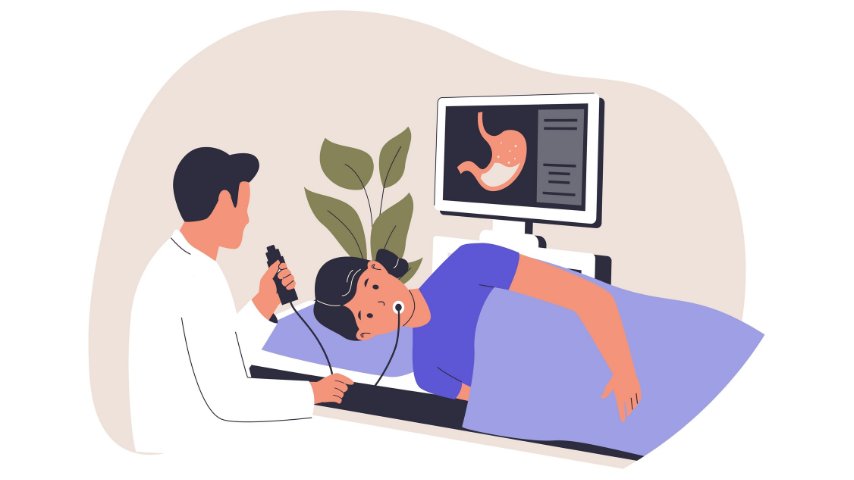
An upper gastrointestinal (GI) endoscopy is a procedure that allows doctors to examine the inside of the food pipe (esophagus), stomach, and the first part of the small intestine using a thin, flexible tube with a tiny camera attached to its tip. The procedure is usually performed under sedation, which helps patients remain comfortable and relaxed. Endoscopy helps diagnose conditions such as acid reflux, gastritis, ulcers, swallowing disorders, digestive bleeding, infections, and certain cancers. It also allows doctors to collect tissue samples for testing and, in some cases, perform treatments during the same procedure.
Introduction
If you've been told that you need an endoscopy, there's a good chance you're feeling nervous.
You may have searched online. You may have watched videos. You may even have read stories from other patients.
And if you're like many people, you probably have one question running through your mind:
"How bad is it really?"
The fear surrounding endoscopy is surprisingly common.
In fact, when patients discuss digestive procedures online, the conversation often isn't about the diagnosis. It's about the anticipation.
People worry about gagging.
They worry about being awake.
They worry about pain.
Some worry about losing control during sedation.
Others fear what the doctor might find.
The interesting thing is that when you compare people's fears before the procedure with their experiences afterward, a pattern emerges.
Most patients say the same thing:
"It was much easier than I expected."
Let's take a closer look at what patients are actually afraid of, what the procedure really feels like, and why so many people discover that the fear was worse than the endoscopy itself.
Why Are People So Nervous About Endoscopy?
Fear usually comes from uncertainty.
Most people have experienced blood tests, injections, and X-rays before.
Very few have experienced a camera being passed into their digestive tract.
Because the procedure is unfamiliar, the imagination often fills in the gaps.
Common fears include:
- Will I choke?
- Will I be able to breathe?
- What if I gag the whole time?
- What if the sedation doesn't work?
- Will it hurt?
- What if they find cancer?
- What if something goes wrong?
These concerns are understandable.
The problem is that many people imagine scenarios that don't reflect what actually happens during modern endoscopy procedures.
What Patients Worry About Before the Procedure
When researchers and healthcare providers ask patients about their biggest concerns before an endoscopy, the fears generally fall into three categories.
Fear of Physical Discomfort
This is usually the biggest concern.
Many patients picture a large tube being forced down their throat while they remain fully awake and uncomfortable.
Some imagine severe gagging or difficulty breathing.
The reality is usually very different.
Modern endoscopes are thin, flexible, and designed specifically to minimize discomfort.
Most procedures are performed with sedation, which means patients are relaxed and often remember very little afterward.
Fear of Sedation
Interestingly, some patients are more worried about sedation than the procedure itself.
Questions commonly include:
- What if I don't wake up?
- What if I say something embarrassing?
- What if I lose control?
- What if the medication doesn't work?
For most healthy individuals, sedation used during endoscopy is extremely safe and carefully monitored throughout the procedure.
Many patients describe the experience as taking a short nap.
Fear of the Results
Sometimes the procedure itself isn't the source of anxiety.
The real fear is what the doctor might find.
Patients who have experienced symptoms for weeks or months often worry about cancer or other serious diseases.
While this concern is understandable, it's important to remember that most endoscopies identify common conditions such as reflux, gastritis, ulcers, or mild inflammation rather than life-threatening disease.
What Actually Happens on the Day of the Procedure?
One reason anxiety builds is because people often imagine the procedure as a dramatic hospital experience.
In reality, the day is usually straightforward.
After arriving at the hospital or endoscopy unit, a nurse reviews your medical history and explains what will happen.
You'll change into a hospital gown and have a small intravenous line placed in your arm.
The healthcare team checks your blood pressure, heart rate, and oxygen levels.
Once everything is ready, you are taken into the procedure room.
At this point, many patients report that their anxiety reaches its peak.
Ironically, it is often only a few minutes away from disappearing.
What Does the Sedation Feel Like?
This is one of the most frequently asked questions.
Patients often expect sedation to feel dramatic.
Most describe it as surprisingly gentle.
A common experience goes something like this:
The medication is administered through the intravenous line.
You feel relaxed.
You may feel sleepy.
You may remember the doctor speaking briefly.
Then the next thing you know, someone is telling you the procedure is finished.
Many patients genuinely believe the procedure never started.
Some are surprised to learn that it was completed 20 minutes earlier.
Others feel as though only a few seconds have passed.
While experiences vary slightly from person to person, most patients remember very little of the actual examination.
Will I Be Able to Breathe During an Endoscopy?
This is probably the most common fear.
The answer is yes.
You continue breathing normally throughout the procedure.
The endoscope passes through the esophagus, which carries food.
Breathing occurs through the airway, which is separate.
Healthcare professionals continuously monitor oxygen levels throughout the examination.
Many first-time patients are relieved to learn that the procedure does not block their ability to breathe.
Understanding this simple fact often reduces anxiety significantly.
What About Gagging?
Gagging is another major concern.
The throat naturally has protective reflexes designed to prevent choking.
To reduce discomfort, a numbing spray is often used before the procedure begins.
Sedation also helps suppress awareness of these sensations.
Some patients experience brief gagging when the scope is first introduced.
However, most report that this part lasts only seconds.
Once the scope passes into position, discomfort typically decreases significantly.
Many sedated patients have no memory of this stage at all.
What Do Patients Commonly Say Afterward?
One of the most interesting aspects of endoscopy is how often patient opinions change afterward.
Common comments include:
"I spent more time worrying about it than actually experiencing it."
"The waiting was worse than the procedure."
"I wish I hadn't scared myself by reading so much online."
"If I ever need another one, I wouldn't be nearly as nervous."
"I don't even remember most of it."
These reactions are remarkably consistent.
While every person's experience is unique, the overwhelming majority describe the procedure as far easier than anticipated.
Why Online Stories Can Be Misleading
Many patients make the mistake of reading every story they can find online before their procedure.
The problem is that online experiences often create a distorted picture.
People who have routine experiences rarely post about them.
People who have unusual experiences are much more likely to share their stories.
This can create the impression that complications and unpleasant experiences are common when they are actually rare.
It's similar to reading restaurant reviews.
Most satisfied customers eat their meal and go home.
The people most motivated to write reviews are often those with exceptionally good or exceptionally bad experiences.
The same principle applies to medical procedures.
This is also why understanding capsule endoscopy safety through reliable medical sources is important rather than relying solely on anecdotal experiences.
What Happens Immediately After the Procedure?
Recovery is usually quick.
Patients are moved to a recovery area while the sedation wears off.
Many people feel slightly sleepy for a short time.
Some notice mild bloating because air is introduced into the digestive tract during the examination.
Others experience a mild sore throat that typically resolves within a day.
Most patients are able to go home shortly afterward.
Because sedation affects judgment and coordination temporarily, someone else usually needs to drive them home.
Similar questions about recovery and what happens after capsule endoscopy are also common among patients undergoing digestive investigations.
What If the Doctor Takes a Biopsy?
Another common source of anxiety occurs when patients hear the word biopsy.
Many immediately assume cancer.
This is a misconception.
Biopsies are taken routinely during endoscopy for many reasons.
Doctors may collect tissue samples to:
- Check for inflammation
- Test for infection
- Diagnose celiac disease
- Investigate ulcers
- Evaluate abnormal tissue
- Confirm or rule out specific conditions
In fact, many biopsies ultimately show non-cancerous findings.
The biopsy simply provides more detailed information.
How Safe Is Endoscopy?
Upper GI endoscopy is considered one of the safest procedures in digestive medicine.
Millions are performed worldwide every year.
Serious complications are rare.
The procedure is carried out by trained specialists with continuous monitoring of:
- Heart rate
- Blood pressure
- Oxygen levels
- Breathing
For most patients, the benefits of obtaining an accurate diagnosis far outweigh the small risks involved.
Patients often find it helpful to have capsule endoscopy explained when comparing different diagnostic procedures used in digestive medicine.
Tips From Patients Who Have Already Been Through It
People who have undergone endoscopy often share practical advice with those preparing for the procedure.
Some of the most helpful suggestions include:
- Don't Spend Hours Reading Horror Stories
- Follow the Preparation Instructions Carefully
- Ask Questions
- Focus on the Reason You're Having the Procedure
- Trust Your Medical Team
Online forums often highlight unusual experiences rather than typical ones.
A properly prepared digestive tract makes the procedure easier and more effective, just as preparing for capsule endoscopy properly can improve the quality of the examination.
Understanding what will happen reduces uncertainty.
Remember that the goal is to identify the cause of your symptoms and improve your health.
Endoscopy teams perform these procedures every day and are experienced in helping anxious patients feel comfortable.
When Anxiety Becomes the Bigger Problem
For some patients, fear becomes so overwhelming that they consider cancelling the procedure.
This is understandable but often counterproductive.
The purpose of endoscopy is to obtain answers.
Delaying diagnosis may prolong symptoms and create even more uncertainty.
Many patients who nearly cancelled their appointment later report being grateful they went through with it.
Often, the relief of finally understanding what is causing their symptoms outweighs any temporary anxiety associated with the procedure.
The Bottom Line
If you're terrified about an upcoming endoscopy, you're not alone.
Fear of the unknown is completely normal, especially when it involves a medical procedure.
However, the experiences reported by most patients tell a reassuring story.
The procedure is usually quick, comfortable, and far less dramatic than people imagine. Sedation helps most patients relax, and many remember very little of the examination itself.
While anxiety before an endoscopy is common, the overwhelming majority of patients leave with the same conclusion:
The fear was much worse than the procedure.
And for many, the answers gained from the examination make the experience worthwhile.
Conclusion
If fear or anxiety is preventing you from scheduling or attending an endoscopy, speak openly with your gastroenterologist. Understanding what to expect can make the experience far less intimidating and help you take an important step toward finding answers for your digestive symptoms.
References and Sources